
As the summer heat settles over the Upper Midwest, Minnesota ag logistics are entering a period of dynamic transition. Beyond the traditional seasonal movement of grains and summer inputs along key corridors like Interstate 94 and Interstate 35, the state's transportation infrastructure is adapting to emerging agricultural technologies and renewable energy developments. From new aviation fuel initiatives to advanced field logistics, Minnesota agribusinesses are navigating a shifting landscape.
For shippers, carriers, and local grain elevators, staying ahead of these logistics trends is critical. Regional supply chains are increasingly influenced not only by traditional crop movements but also by the rise of bio-based industries and high-tech agricultural tools that alter how inputs and outputs move across the state.
The Rise of Sustainable Aviation Fuel and Biogas Logistics
Minnesota is positioning itself as a key hub for the next generation of agricultural energy logistics. The Minnesota SAF Hub, in collaboration with Delta, has announced plans for a Sustainable Aviation Fuel (SAF) blending facility alongside other development milestones. The establishment of such facilities introduces new transport requirements, demanding highly coordinated tank truck and railcar logistics to move bio-based feedstocks and blended fuels to major transport terminals.
Additionally, the potential expansion of biogas projects across the state offers new opportunities and logistics demands for Minnesota dairy and livestock operations. Transporting organic waste and processing bioproducts require specialized hauling services, turning localized farm waste into a steady stream of over-the-road freight. These energy-related freight demands are expected to compete for carrier capacity, especially during peak harvest seasons when truck availability is already tight.
Precision Field Logistics and Drone Integration
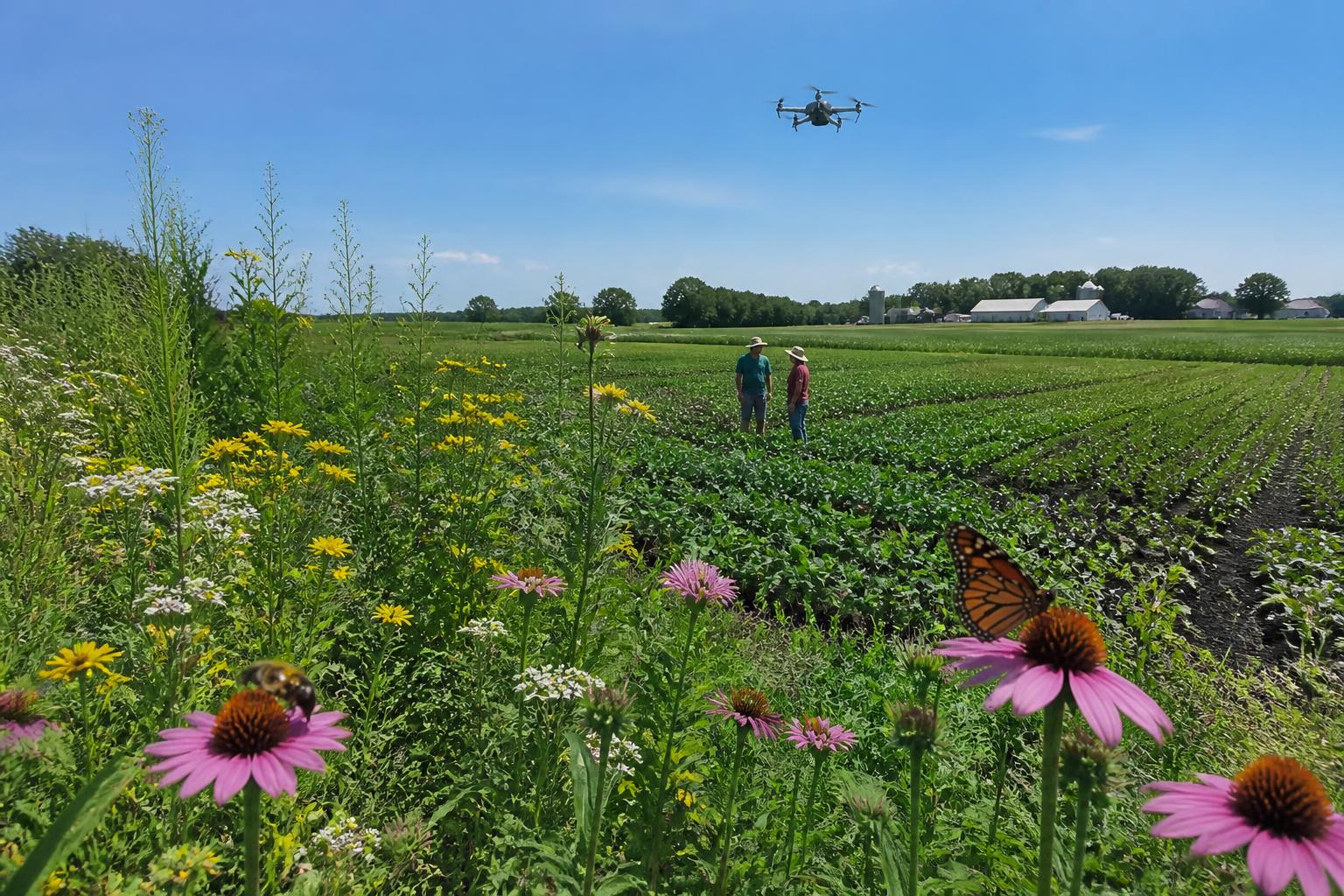
The logistics of crop protection and field monitoring are also undergoing a high-tech evolution. John Deere's recent acquisition of a Minnesota-based drone technology startup highlights the growing role of unmanned aerial systems in state agriculture. Furthermore, agricultural drone spraying is transitioning from a niche service to a mainstream application method, with even extreme sports professionals pivoting to agricultural drone operations.
By shifting some crop spraying and scouting tasks to aerial drones, operators can optimize their field logistics. This minimizes the need to transport heavy, fuel-consuming machinery over local county roads, reducing wear and tear on rural infrastructure. It also allows for more targeted, timely applications, streamlining the transport and storage of chemical inputs at local retail hubs.
Navigating Consolidation and Infrastructure Constraints
While technology and biofuels represent the future, traditional grain haulers still face immediate summer bottlenecks. Commercial grain elevators and regional cooperatives must carefully coordinate rail and barge access to ensure steady outbound movement before the fall harvest rush. Managing these logistics is further complicated by broader shifts in the agricultural supply chain, which directly impact the challenges facing Minnesota grain markets as consolidation continues to alter local delivery points.
Producers in regions like Southwest Minnesota, who have historically adapted from simple plows to highly profitable diversified systems, are closely watching these logistical developments. Keeping transportation costs low during the summer months is essential for protecting tight margins, making efficient route planning and carrier partnerships a top priority.
What it means for the market
The diversification of Minnesota's ag logistics landscape means that carriers and shippers must look beyond traditional grain hauling. The integration of SAF blending, biogas transport, and drone deployment requires a more versatile transport network. For Minnesota agribusinesses, securing freight capacity early and investing in logistical flexibility will be key to managing costs as new bio-industrial players enter the regional transportation market.
Comments
No comments yet - be the first to share your take.