
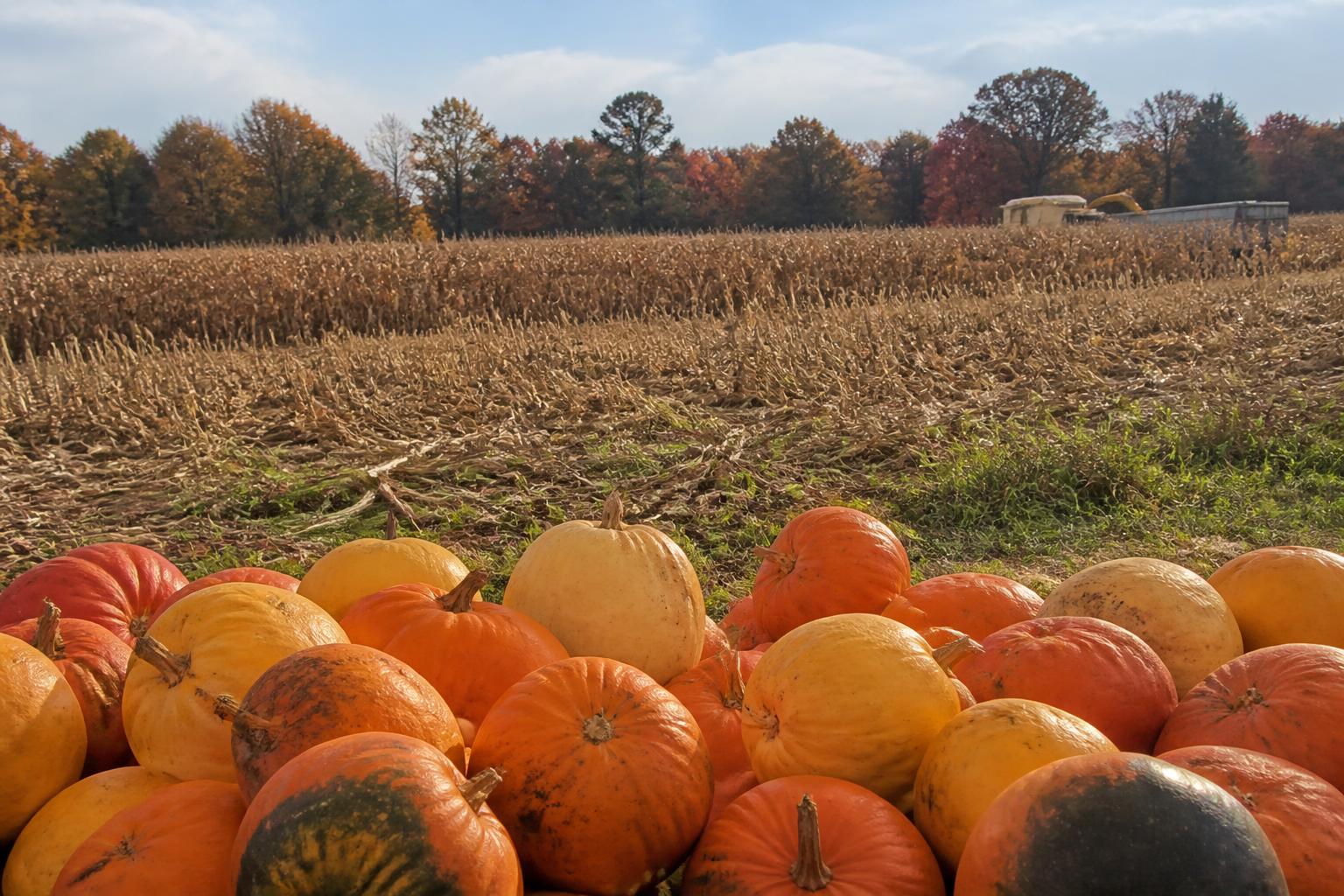
As Rhode Island growers finalize end-of-season operations, the focus is shifting toward managing fertilizer procurement and navigating the logistics of potential supply chain shifts. While the agricultural landscape in the Ocean State often leans on specialized regional distribution, global market factors and trade dynamics continue to influence the availability and cost of essential inputs for the upcoming cycle.
Understanding these macro-level fluctuations is essential for local agribusinesses. Whether considering soil amendments or transition strategies for next season, staying attuned to shifting market conditions remains a priority for those looking to protect margins against global price volatility. In some cases, exploring alternative input sources or optimizing local storage can help mitigate the impact of sudden logistical bottlenecks.
Navigating Market Volatility and Input Costs
For Rhode Island farmers, the ability to maintain consistent production often hinges on the reliability of the regional supply chain. Recent fertilizer costs and logistics reports emphasize the importance of early planning, as unpredictable price swings in the global market can quickly reach local farm gates. Many operators are now looking closer at the intersection of international trade tariffs and domestic procurement, recognizing that even small shifts in supply flow can create ripple effects for regional handlers.
Resource Management and Supply Resilience
Resilience in Rhode Island agriculture often depends on proactive resource management. From monitoring soil health to safeguarding core business operations, the approach to fertilizer application is becoming more precise. With rising interest in food-derived and organic-certified fertilizers, some growers are finding ways to decouple from traditional supply chains, potentially insulating their operations from geopolitical tensions that affect conventional nutrient markets.
Logistical Considerations for the Fall Cycle
As the state moves through the final weeks of autumn, logistical efficiency is paramount. Managing fall operational shifts effectively requires coordination between local elevators, distributors, and transport providers. Ensuring that nutrient delivery schedules align with field readiness can prevent last-minute delays that might otherwise jeopardize optimal application windows, especially as weather patterns shift toward the colder months.
What it means for the market
The current environment requires a dual approach: vigilant monitoring of international fertilizer market trends combined with a focus on local inventory management. For Rhode Island producers, the takeaway is clear: secure inputs early and leverage local distribution networks to hedge against the inherent uncertainty of current trade and supply conditions. Being prepared for price adjustments and potential delivery delays will be key to managing a successful transition into the next production year.
Comments
No comments yet - be the first to share your take.