
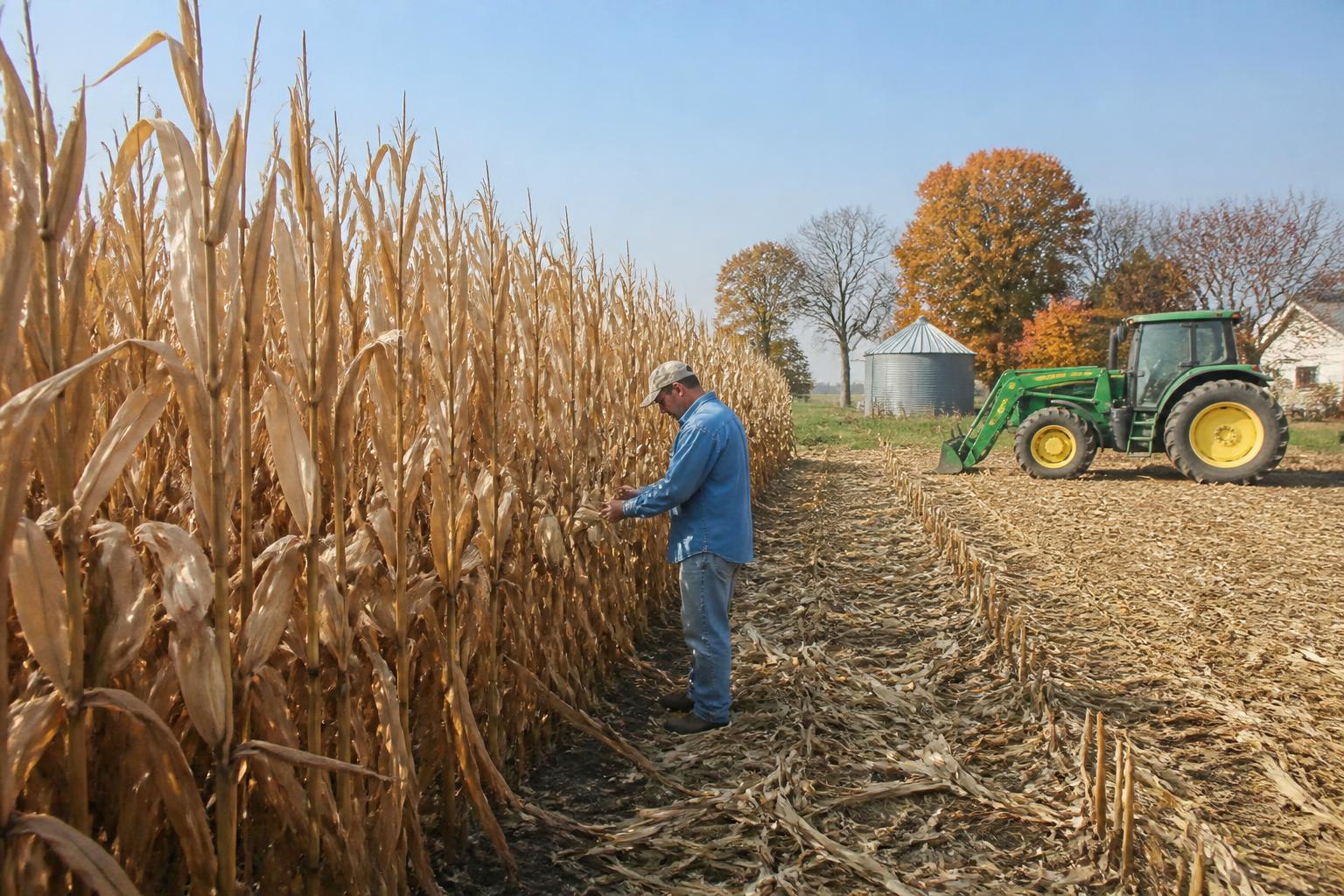
For Rhode Island farmers and agribusiness operators, the fall season represents a critical window for finalizing seasonal projects and ensuring that land management practices align with evolving state-level priorities. As harvest activity wraps up in regions across the state, many operators are shifting their focus toward long-term operational resilience and the protection of local natural resources.
Protecting the water supply remains a paramount concern for the local agricultural community. Ongoing initiatives to balance the needs of production agriculture with environmental stewardship are shaping how farms manage drainage and runoff. Adopting practices that mitigate environmental impact can often serve as a proactive step for growers looking to maintain sustainable operations near sensitive watershed areas, such as those found throughout the Rhode Island agricultural landscape.
Regulatory and Operational Shifts
The regulatory environment for small farms continues to evolve, bringing both new challenges and potential relief. Recent discussions surrounding the right to repair have resonated with smaller producers, potentially reducing long-term maintenance costs and increasing the operational autonomy of machinery fleets. For those involved in input procurement, vigilance remains necessary regarding product standards. Courts have recently taken a firm stance on the adulteration and mislabeling of soil amendments, underscoring the importance of sourcing inputs from reputable suppliers to protect field health and ensure regulatory compliance.
Looking Ahead to Winter Planning
As the daylight hours shorten, producers are increasingly turning their attention to financial planning and the logistical adjustments needed for the winter months. Many agribusinesses are reassessing their supply chains, particularly regarding the management of fall operational realities and the sourcing of necessary inputs for the coming year. Whether coordinating the delivery of materials or finalizing accounts, the ability to maintain flexibility in logistics remains a significant competitive advantage for Rhode Island growers.
Furthermore, local farmers are encouraged to engage with regional resources that assist in navigating these shifting market dynamics. Managing the intersection of production goals and external pressures is key to ensuring that agribusinesses can successfully optimize their logistics and maintain a stable foothold in the state's diverse agricultural economy.
What it means for the market
The Rhode Island agricultural sector is entering a phase of increased regulatory scrutiny and administrative focus. For producers, this means that rigorous documentation, vetting of input suppliers, and proactive engagement with environmental guidelines are no longer just good practice but essential components of market participation. By prioritizing these operational pillars now, farmers can better insulate themselves against future volatility and maintain the integrity of their land for seasons to come.
Comments
No comments yet - be the first to share your take.