
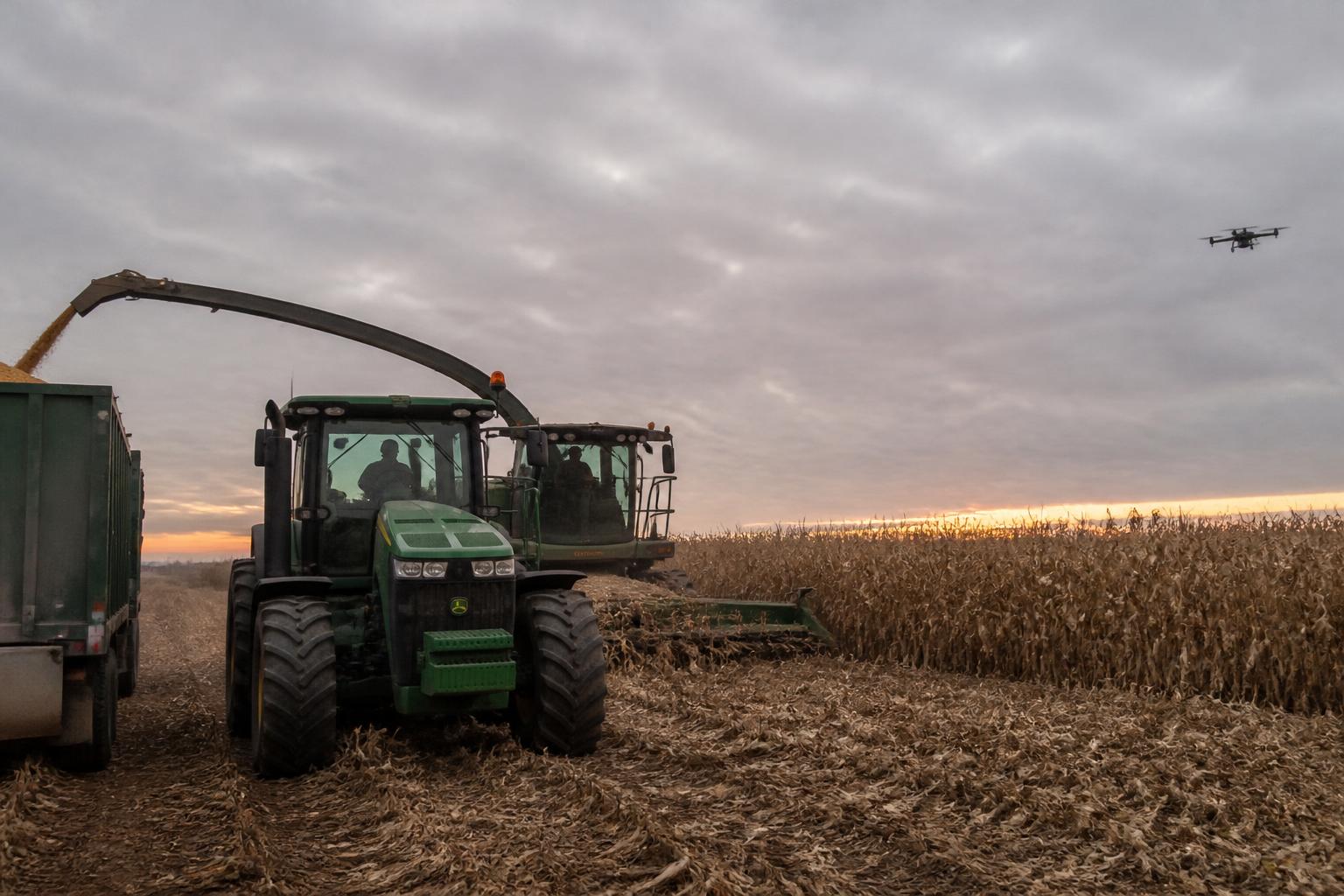
Michigan agricultural producers are currently navigating a complex harvest season marked by fluctuating market conditions and evolving production challenges. With recent reports highlighting significant pressure on corn prices, farmers across the state are carefully weighing their storage options and transport logistics to mitigate potential financial exposure. The intersection of harvest speed and grain handling capacity remains a critical point of focus for elevators and producers alike.
For those managing large-scale operations, the current environment has accelerated the adoption of technology-driven solutions. New digital platforms designed to map field profitability zones are helping growers make more precise decisions regarding input allocation, potentially offsetting broader market uncertainties. Furthermore, the push for operational resilience is visible as more producers adopt no-till practices, aiming to manage rising fuel costs that often constrain margins during the busy transport windows of late autumn.
Adapting to Market and Supply Chain Shifts
The state's broader agribusiness sector is also experiencing structural changes. While some segments, such as the dairy industry, see significant capital investment, other specialized sectors like hop production are facing consolidation due to oversupply pressures. These shifts underscore the necessity for producers to maintain flexibility. For growers involved in the corn supply chain, staying informed on logistics and disease management is essential as regional processing capacity continues to evolve to meet changing demand.
Infrastructure and Future Growth
Investment into the state's processing and research infrastructure, including recent grant funding for greenhouse modernization, suggests a long-term commitment to high-value output. Meanwhile, policy discussions surrounding sustainable aviation fuel are providing a potential new horizon for grain producers to diversify their market reach. As the season progresses, these developments may offer new avenues for value-added products that go beyond traditional commodity trading.
What it means for the market
Producers should prioritize liquidity and storage efficiency as the market absorbs the latest supply reports. While input costs remain a persistent challenge, focusing on high-margin field zones and leveraging digital management tools can help maintain profitability despite price volatility. Clear communication with local grain handlers and logistics partners will be vital in ensuring that grain moves efficiently through the supply chain before winter conditions potentially tighten transport corridors.
Comments
No comments yet - be the first to share your take.