
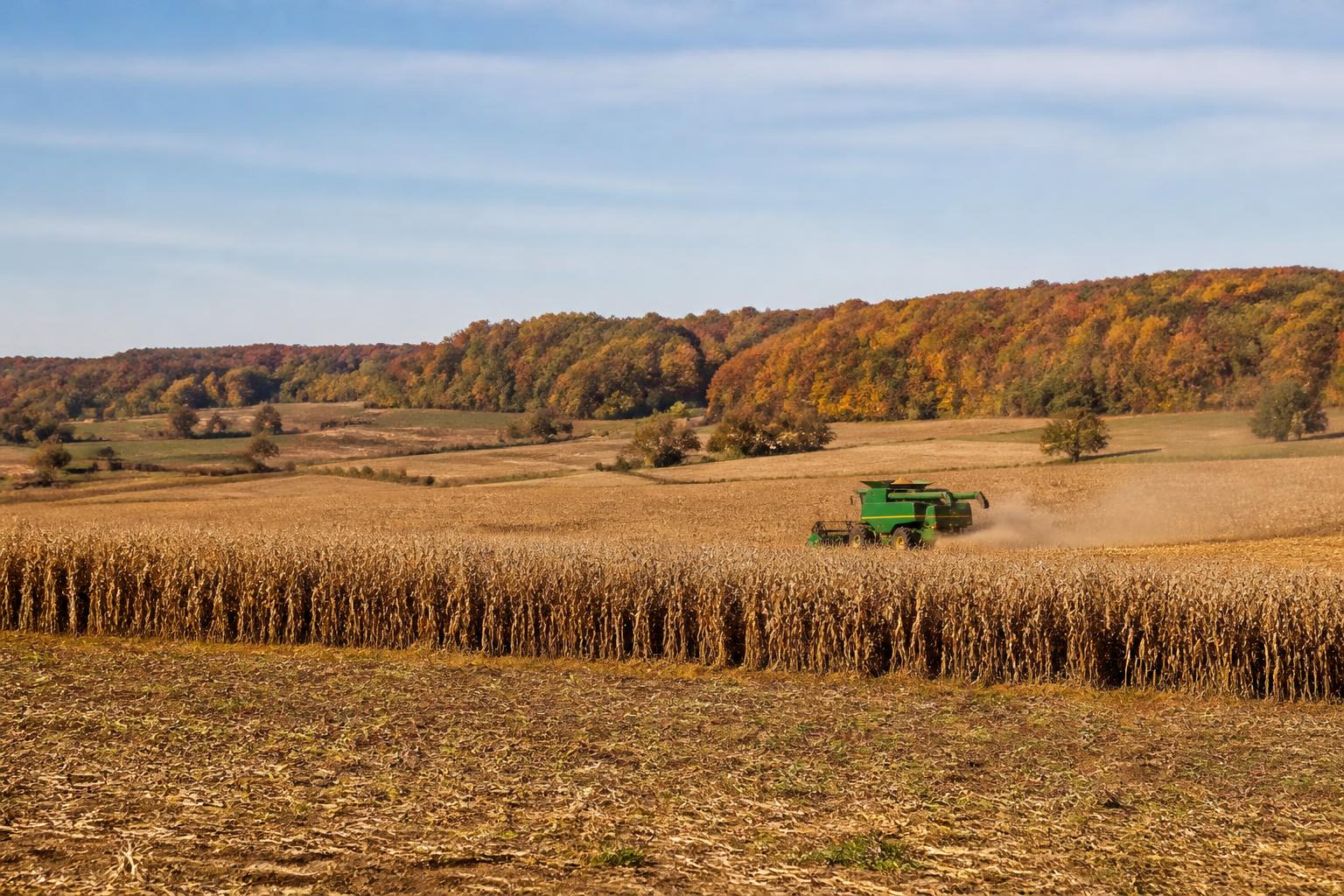
With Kentucky corn harvest reaching significant milestones at 76 percent completion and soybean harvest progressing at 42 percent, many growers are entering the post-harvest transition period. As fields clear, the focus for many agribusinesses and farm operations is shifting toward soil health and preparing for upcoming nutrient application cycles. In a landscape where efficiency is paramount, understanding the broader supply chain dynamics and emerging options for sustainable production remains a priority.
National Fertilizer Investment and Local Supply
Recent federal initiatives, including significant funding directed toward expanding fertilizer production capacity, are being watched closely by market participants. While direct local impacts often take time to materialize, these investments aim to bolster domestic supply chains, potentially easing some of the volatility historically experienced during peak demand windows. For Kentucky producers, maintaining a dialogue with local suppliers about current availability and future pricing trends is a prudent step in navigating these broader infrastructure-related shifts.
Sustainable Practices and Nutrient Efficiency
As growers evaluate their inputs for the upcoming season, some are exploring innovative planting techniques, such as seeding soybeans into sod, which can serve as part of a broader soil conservation strategy. These practices often require a thoughtful approach to nutrient management, ensuring that soil fertility is maintained while optimizing input costs. Producers looking to integrate these methods into their operations may find that coordinating early with their local agronomists and fertilizer providers helps in aligning nutrient delivery with evolving planting schedules.
Logistics and Field Operations
The rhythm of Kentucky agriculture during this season is defined by the logistical challenges of moving the remaining harvest. As elevators and processing facilities manage the influx of crops, transportation corridors remain active. Staying informed on harvest-time logistics remains essential, as the movement of equipment and materials can be influenced by regional weather patterns and peak storage demands. Balancing these immediate operational needs with long-term fertility planning ensures that producers stay ahead of the curve as they close out the fall.
What it means for the market
The Kentucky fertilizer market remains responsive to national capacity improvements and local demand. For producers, the current environment encourages proactive planning, where securing supply chains and optimizing nutrient application strategies can help mitigate exposure to market fluctuations. Continued attention to regional logistics and emerging sustainable management practices will be key drivers for operational success in the coming months.
Comments
No comments yet - be the first to share your take.