
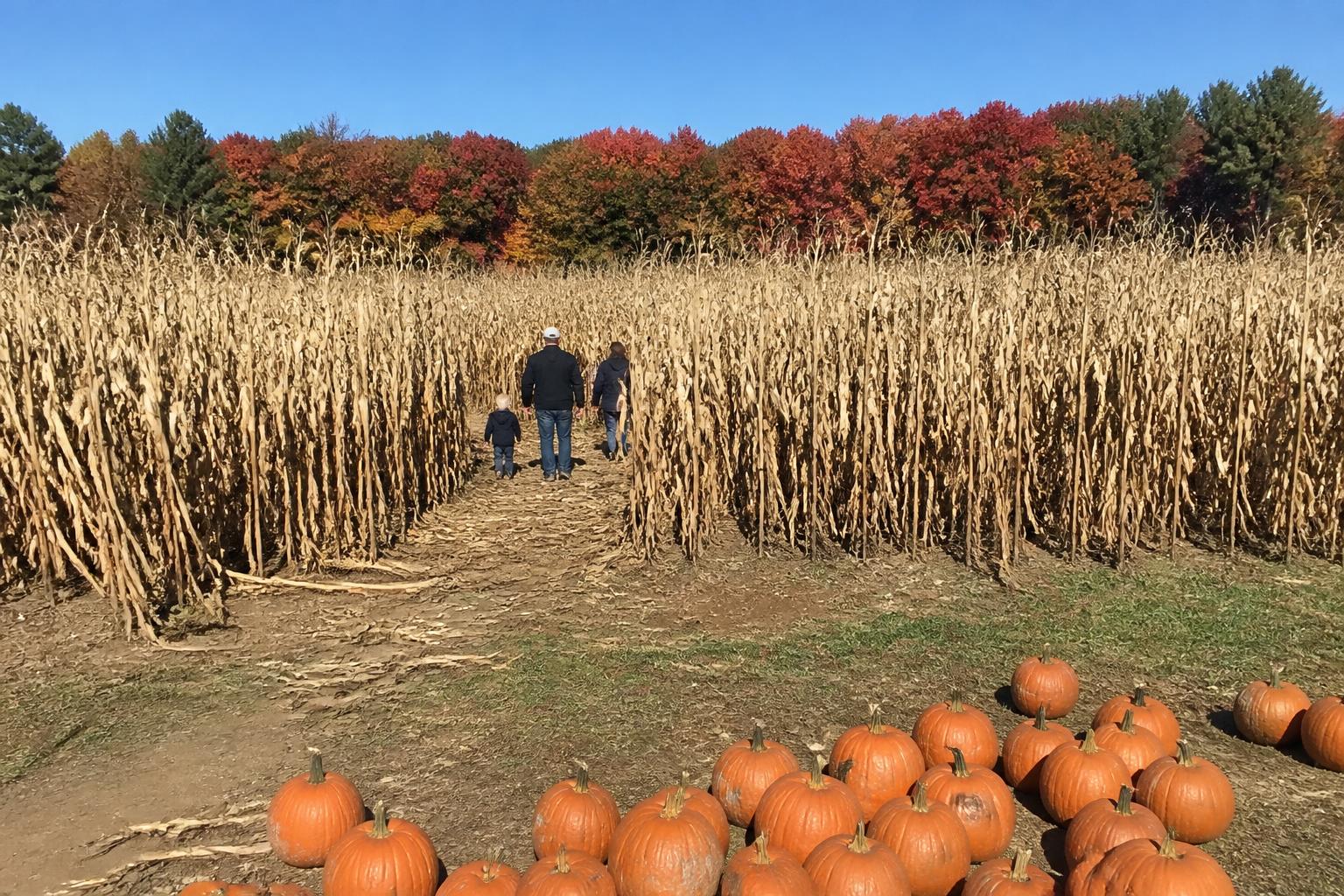
As the Maine agricultural season deepens into late October, producers are focused on balancing final harvest logistics with necessary preparations for the dormant season. The current period is characterized by shifting environmental conditions that demand heightened attention to soil health and long-term crop protection strategies. For growers, maintaining productivity means navigating both immediate harvest timelines and the complex regulatory and environmental landscape that defines the state's diverse agricultural base.
Managing Environmental and Soil Risks
The resilience of Maine's farms often hinges on managing localized environmental challenges, from soil quality preservation to the ongoing mitigation of historical chemical contamination that continues to affect land utility. As growers work through the fall, ensuring soil integrity is not just a seasonal task but a long-term investment. Integrating proactive resource management and crop protection techniques remains essential, especially as producers evaluate their options for land recovery and future planting cycles.
Logistics and Seasonal Planning
With harvest activities reaching their peak for many late-season crops, equipment traffic on regional routes requires cautious coordination. Farmers are often juggling the transportation of goods to local processors while simultaneously preparing infrastructure for winter storage. This is a critical window for many agribusinesses to assess equipment readiness and ensure that storage facilities meet the safety standards necessary to protect the integrity of the season's yield.
Addressing Pest Pressures
As the air cools, field management must also account for seasonal pest behaviors. Producers in various parts of the state are reminded to remain vigilant regarding invasive species like the browntail moth, which can persist in the environment and impact both orchard and woodland health. Implementing monitoring protocols now can help prevent significant outbreaks in the coming spring, safeguarding both crop yields and operational efficiency.
What it means for the market
For Maine's farmers and handlers, the late fall represents a transition toward risk mitigation and strategic planning. While current market conditions for local produce remain active, the focus is shifting toward stability. Prioritizing soil health and proactive pest management will be key to navigating the upcoming winter, ensuring that operations are positioned to meet seasonal demand without compromising the long-term sustainability of the land.
Comments
No comments yet - be the first to share your take.