
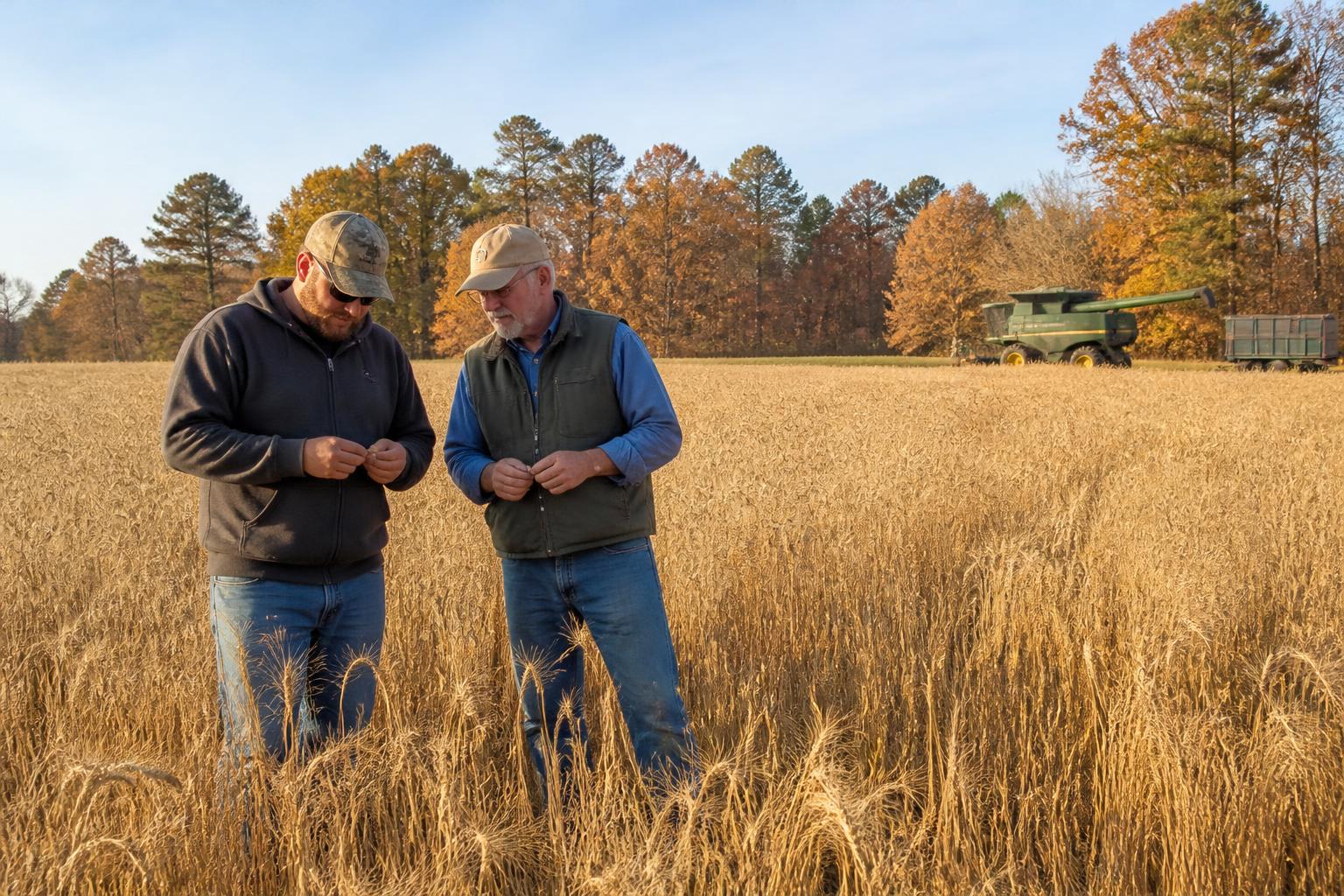
As Alabama agriculture moves deeper into the fall season, farmers are transitioning from harvest activities toward essential land management and input planning. Following recent challenges with weather-related crop damage in some fruit-producing regions, producers are focusing on the stability of their operational inputs. Understanding the current climate of fertilizer availability is vital as growers across the state evaluate their nutrition programs for the upcoming cycle.
Input procurement often remains a primary concern for Alabama agribusinesses. With global supply chain fluctuations impacting everything from potash to specialized nutrient blends, local elevators and fertilizer suppliers are encouraging growers to maintain open communication regarding their expected needs. When supply volatility occurs, effective operational planning can act as a buffer against sudden shortages or price spikes, helping to stabilize the bottom line during uncertain market windows.
Managing Soil Health and Input Efficiency
For those preparing fields for winter cover crops or early spring planning, balancing nutrient application with environmental constraints is a top priority. Growers are increasingly looking toward bioformulations and microbial inoculants to improve soil efficiency and crop resilience. These tools can sometimes offer a more sustainable path to yield consistency, especially in areas where traditional chemical application faces shifting regulatory landscapes. Staying informed about changing operational dynamics is essential for maintaining production standards in today's landscape.
Logistical Considerations for Alabama Growers
Efficient delivery of bulk inputs remains subject to regional logistics, including seasonal congestion and infrastructure capacity. Whether utilizing rail corridors or regional trucking networks, the timing of fertilizer procurement plays a significant role in managing farm overhead. Proactive coordination with local suppliers, particularly those managing expanded storage and handling capabilities, can often mitigate delays that arise when seasonal demand peaks simultaneously across multiple counties.
What it means for the market
The Alabama agricultural market is currently defined by a need for agility. As farmers assess their post-harvest positions, the focus shifts toward securing inputs early and leveraging modern soil management techniques to offset potential volatility. For growers, the path forward involves balancing immediate cost-containment with the long-term goal of resilient, high-yield production, ensuring that even as regulatory and global supply factors shift, the Alabama farming community remains positioned to adapt successfully.
Comments
No comments yet - be the first to share your take.