
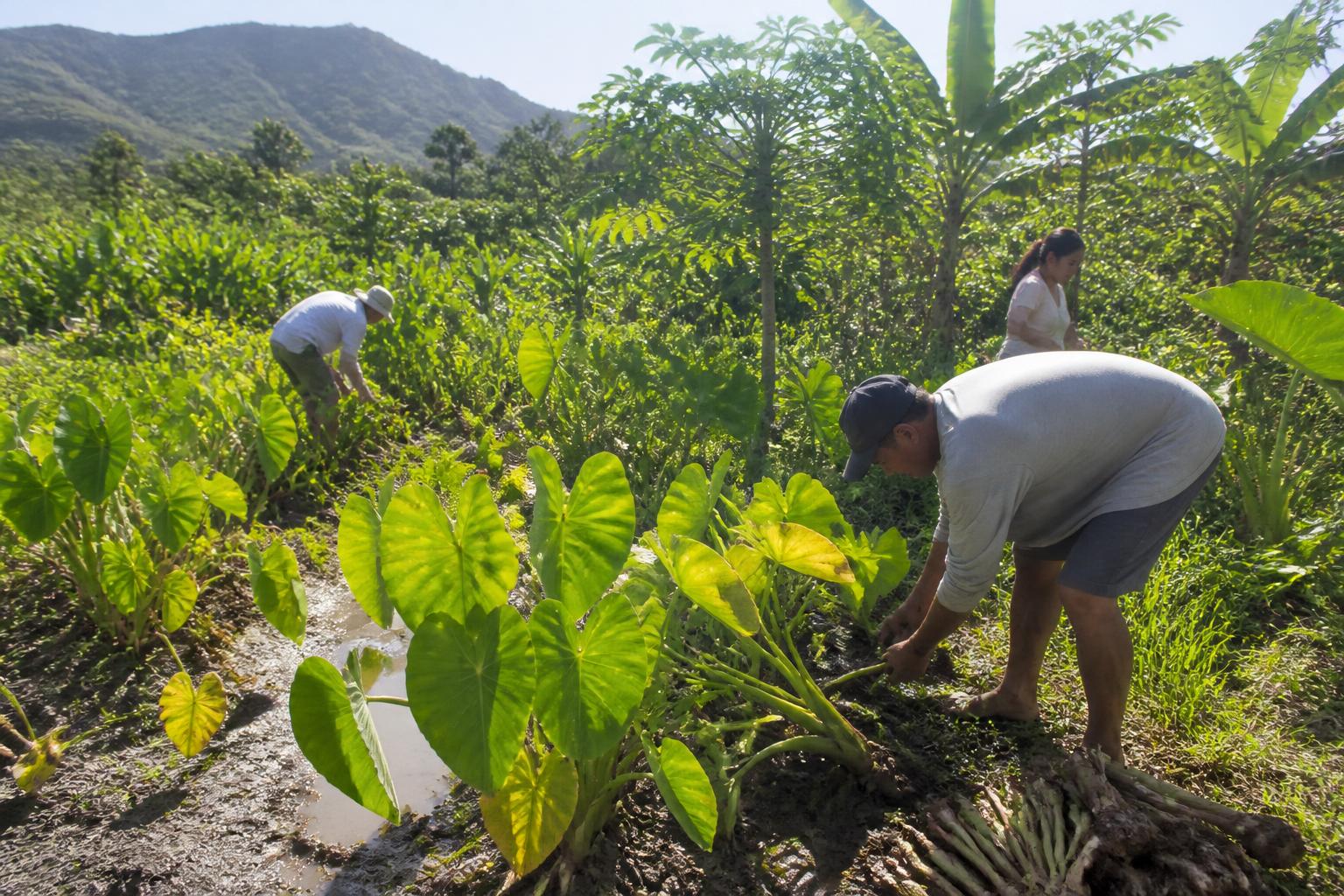
In Hawaii, the intersection of traditional agricultural practices and modern nutrient management is increasingly central to the state's path toward food sovereignty. As farmers shift focus toward restoring ancient food forests and cultivating crops that sustain local communities, the reliance on conventional fertilizer inputs is being re-evaluated to better support unique tropical soil profiles.
Aligning Nutrient Management with Soil Health
Managing soil fertility in a tropical climate requires a distinct approach compared to mainland systems. Frequent rainfall and unique volcanic soil structures mean that leaching can be a primary concern for input buyers. For many growers, the trend is moving toward integrating organic amendments that improve moisture retention and slow-release nutrient profiles. This is particularly relevant in areas where land stewards are working to revive historical agroforestry plots that once supported dense, productive canopy ecosystems.
Logistics of Input Accessibility
Maintaining a stable supply chain remains a constant challenge for Hawaii's agribusiness sector. Because the state relies heavily on maritime imports for essential inputs, logistical bottlenecks often influence market costs for fertilizers and soil conditioners. Understanding the complexities of Hawaii's agricultural supply chain is essential for farmers trying to forecast operational expenses during the busy fall planting and maintenance cycles. Growers who diversify their sourcing strategies may find more stability in the face of fluctuating inter-island and trans-Pacific freight costs.
Building Resilience into Local Systems
Effective resource management is not just about the volume of fertilizer applied but the precision of the application. As producers look to enhance the yield of staple crops like taro, integrating site-specific nutrient plans can help mitigate run-off risks that potentially threaten coastal ecosystems. Producers involved in scaling up local production often find success by prioritizing logistics and expansion strategies that account for both environmental stewardship and operational efficiency.
Key Takeaways
- Prioritize slow-release fertilizers to counter nutrient leaching in high-rainfall zones.
- Monitor maritime shipping schedules closely as part of annual budgeting to avoid peak-season markups.
- Explore regenerative practices that leverage local organic matter to reduce dependency on synthetic inputs.
What it means for the market: For suppliers and farmers alike, the move toward specialized, smaller-scale, and regenerative agriculture in Hawaii signals a shift in demand away from bulk, generic fertilizers toward high-efficiency, environmentally conscious soil products. Agribusinesses that can offer consultative support alongside their products will likely find a more receptive market in the coming seasons.
Comments
No comments yet - be the first to share your take.