
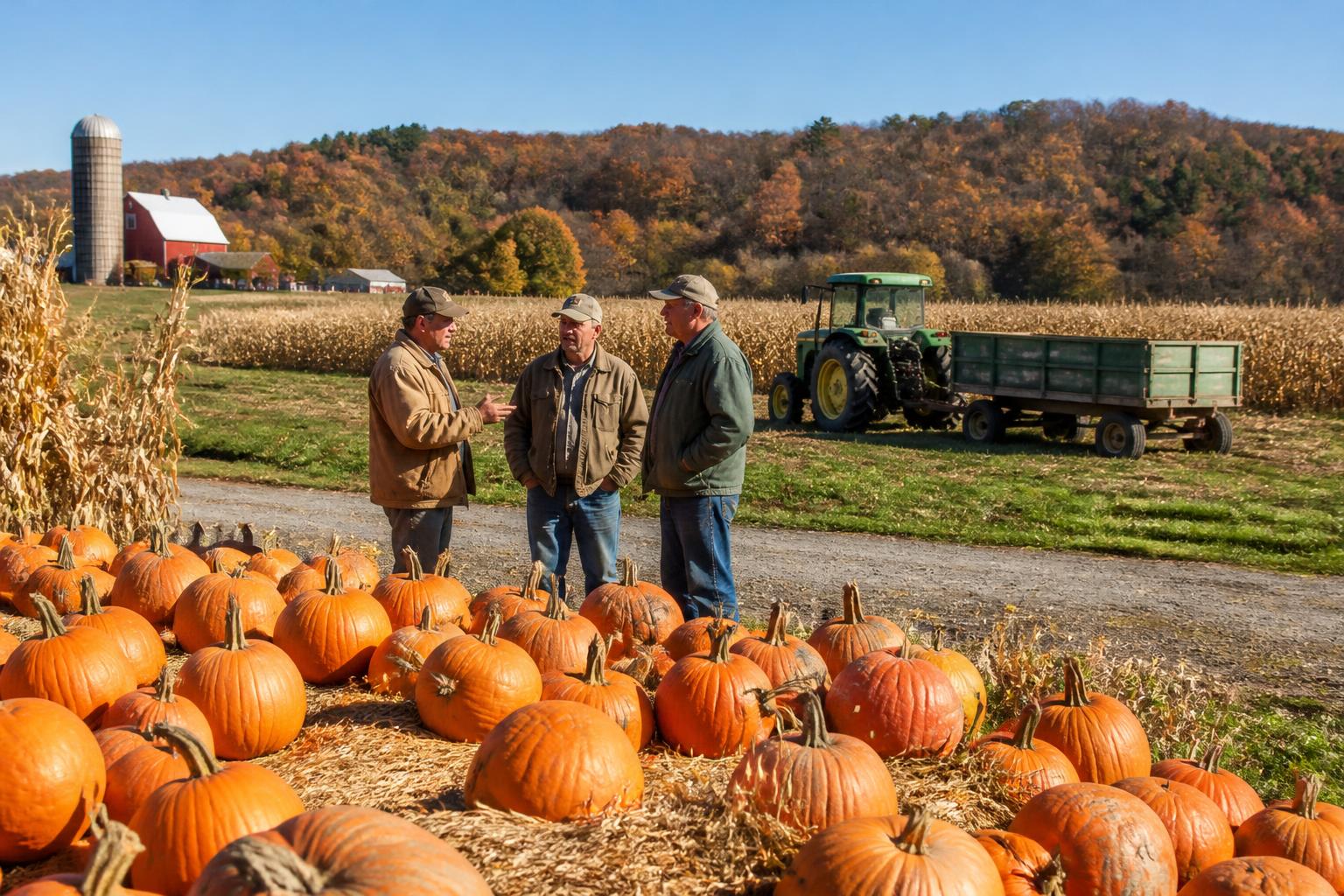
As Pennsylvania producers move through the final stages of the fall harvest, operational costs remain a top-of-mind concern for farm managers across the Commonwealth. With reports of custom farming rates increasing by 7% to 10% across major crop lines, local growers are re-evaluating their equipment strategies and service contracts to maintain margins as the season concludes.
The current environment reflects broader challenges in the supply chain that often dictate local harvest logistics and market flow. As producers from Lancaster to Franklin County navigate these fiscal pressures, the emphasis on efficiency during the tail end of the season has never been more critical. Managing these rising input and service expenses is key to long-term viability, particularly as regional operations look toward next year's planning phase.
Managing Operational Overhead
Beyond the immediate impact of custom rate hikes, Pennsylvania farmers continue to utilize local conservation programs to mitigate capital risk. Participation in federal and state-funded environmental initiatives can offer a buffer against market volatility. Furthermore, the push for sustainable growth continues to gain momentum with the introduction of resources such as the new Regenerative Agriculture Center at Penn State, which aims to provide farmers with practical tools to manage soil health and operational sustainability.
Market Outlook and Expansion
The state remains committed to broadening the reach of local agricultural products. Recent investments by the state administration aim to open new sales and export channels, providing a potential lift for producers looking to diversify their market exposure beyond traditional commodity routes. Keeping an eye on these administrative developments can be vital for businesses looking to align their output with emerging demand.
Key Takeaways
- Custom service rates have seen a notable increase, necessitating tighter budget control for the upcoming planting cycle.
- Conservation funding remains a relevant avenue for managing long-term farm infrastructure and land security.
- State-led initiatives are increasingly targeting export and market diversification to support Pennsylvania producers.
What it means for the market: For Pennsylvania agribusinesses and farmers, the current market is one of adjustment. While rising service costs put downward pressure on margins, strategic utilization of state support programs and a focus on efficiency in upcoming planning cycles can help sustain operations. As we progress deeper into the fall, monitoring these local cost shifts will be essential for finalizing grain market and input strategies for the next year.
Comments
No comments yet - be the first to share your take.