
Optimizing Harvest Logistics
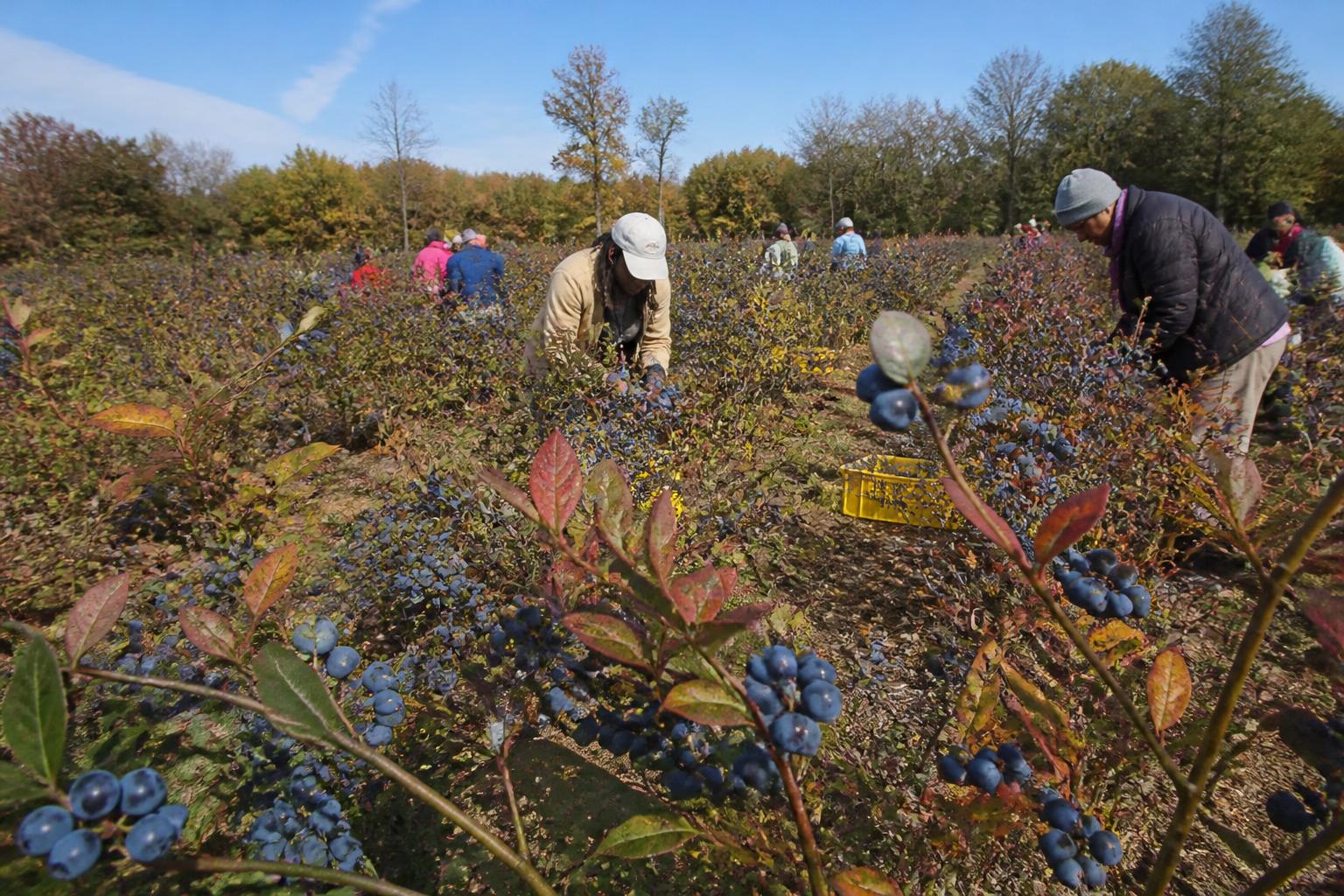
With the fall season in full swing across New Jersey, the agricultural landscape is defined by the steady movement of equipment and freshly harvested crops. For many producers in regions like the Garden State's southern agricultural corridor, the priority remains balancing labor-intensive harvesting tasks with the complex logistics required to move goods from field to distribution point. Efficient transport is vital to maintaining product quality and meeting tight market windows, especially as local supply chains navigate the typical seasonal uptick in traffic.
Road Safety and Equipment Mobility
As farm vehicles move more frequently between fields and processing facilities, the interaction between agricultural equipment and daily passenger traffic on New Jersey's arterial highways often creates congestion. For operators, this period highlights the ongoing importance of navigating supply chain challenges and ensuring that safety protocols are strictly followed. Many local producers are increasingly mindful of public road usage, emphasizing the need for patience and cooperation from both farmers and suburban commuters during this peak operational window.
Managing Inputs Amidst Market Shifts
Beyond the immediate demands of the harvest, the broader ag-business climate remains focused on cost management. Input prices, particularly for fertilizer and fuel, continue to be significant line items for local agribusinesses. While market forecasts for global fertilizer demand suggest steady growth in the long term, New Jersey farmers are currently concentrating on immediate operational efficiencies to mitigate the impact of fluctuating energy costs. This focus on internal efficiency—whether through equipment maintenance or optimizing delivery routes—serves as a primary hedge against external economic pressures.
What it means for the market
The convergence of seasonal harvest pressures and logistical hurdles underscores the necessity for New Jersey agricultural operations to maintain high levels of planning and communication. For carriers and distributors, staying flexible is key, as shifting road conditions and high-volume harvest cycles can impact transit times. By prioritizing safety and proactive logistics management, producers can ensure that the season’s yields reach their final destination with minimal disruption, keeping the state's agriculture sector resilient in the face of ongoing economic and logistical variables.
Comments
No comments yet - be the first to share your take.