
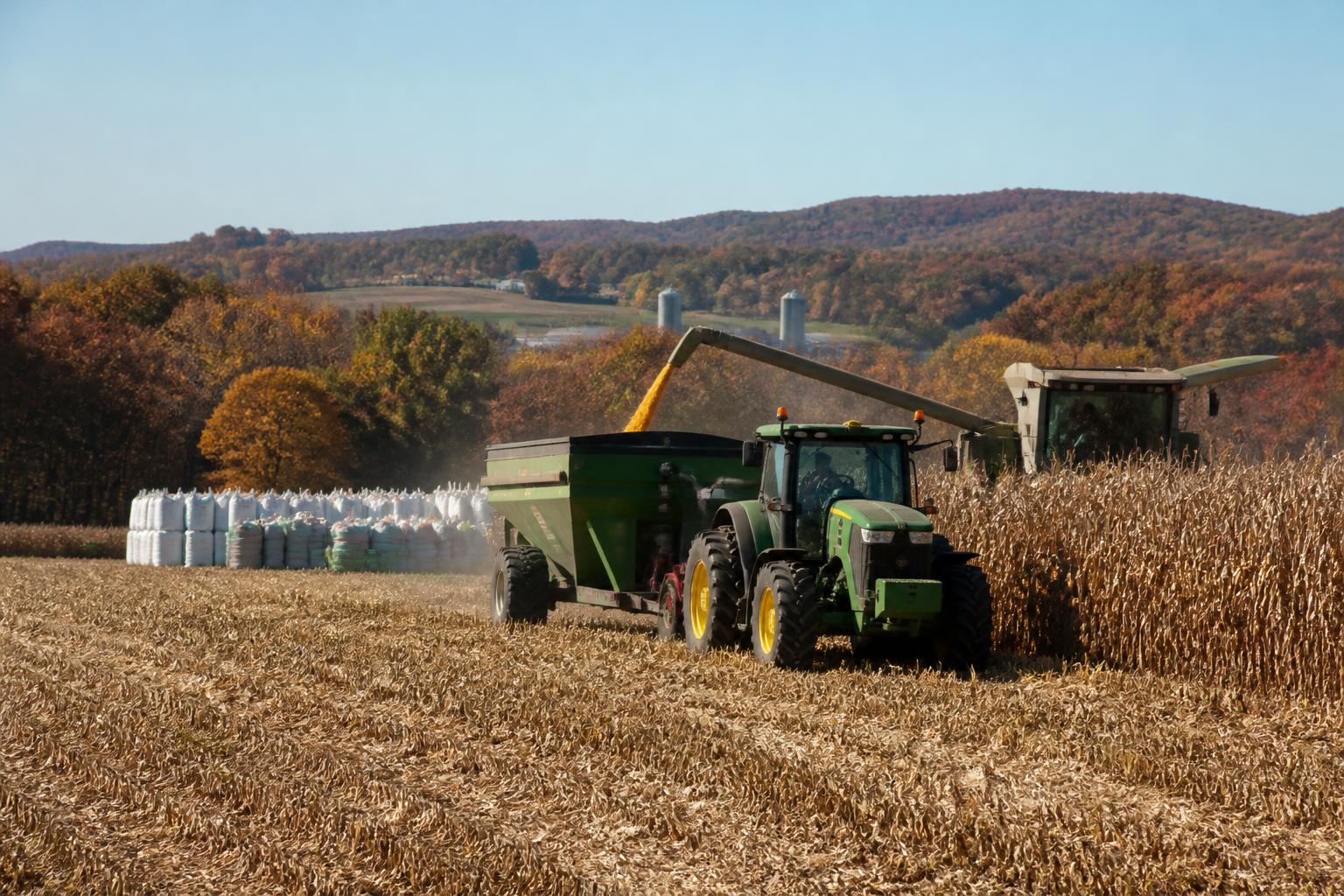
As the Montana harvest reaches its final stages this fall, attention among producers is beginning to shift toward input planning for the coming seasons. The regional fertilizer landscape is showing signs of evolution, with recent interest in domestic production projects suggesting a potential move toward greater supply chain autonomy for the state's agricultural sector.
For many operators across regions like the Golden Triangle, managing input costs remains a critical component of seasonal risk management. Integrating long-term procurement strategies can help mitigate the impact of potential volatility within global fertilizer markets. As producers evaluate their needs, the focus remains on balancing current field requirements with the need for reliable, long-term input access.
Evaluating Regional Supply Developments
The recent emergence of localized production initiatives reflects broader efforts to secure fertilizer availability within the United States. By focusing on projects that could bolster internal capacity, stakeholders aim to insulate themselves from international price shocks and logistical bottlenecks that have historically complicated supply lines. For farmers, this trend underscores the importance of staying informed about shifts in regional availability, which can influence future field preparation and input budgeting.
Logistical Considerations for Input Management
Efficiently managing inputs is as much about logistics as it is about chemistry. Whether dealing with specialized herbicides or bulk fertilizer, regional transport corridors play a vital role in ensuring that supplies reach the farm gate when needed. As with navigating grain outflow, the timing of fertilizer delivery requires careful coordination to avoid the pressures of peak seasonal demand. Producers are encouraged to coordinate early with suppliers to ensure that transport schedules align with their specific operational timelines.
Key Takeaways for Producers
- Monitor regional development updates regarding new fertilizer production capacity in Montana.
- Continue to prioritize early communication with suppliers to hedge against seasonal logistical constraints.
- Review historical input performance and current soil requirements as part of overall crop protection strategies.
What it means for the market: The potential for expanded local fertilizer production represents a significant opportunity to stabilize the supply chain for Montana growers. While these developments are long-term in nature, they highlight an industry-wide push to reduce dependency on volatile import markets, ultimately aiming to provide a more predictable pricing environment for producers looking to optimize their input strategies for the upcoming seasons.
Comments
No comments yet - be the first to share your take.