
Market Volatility and Trade Considerations
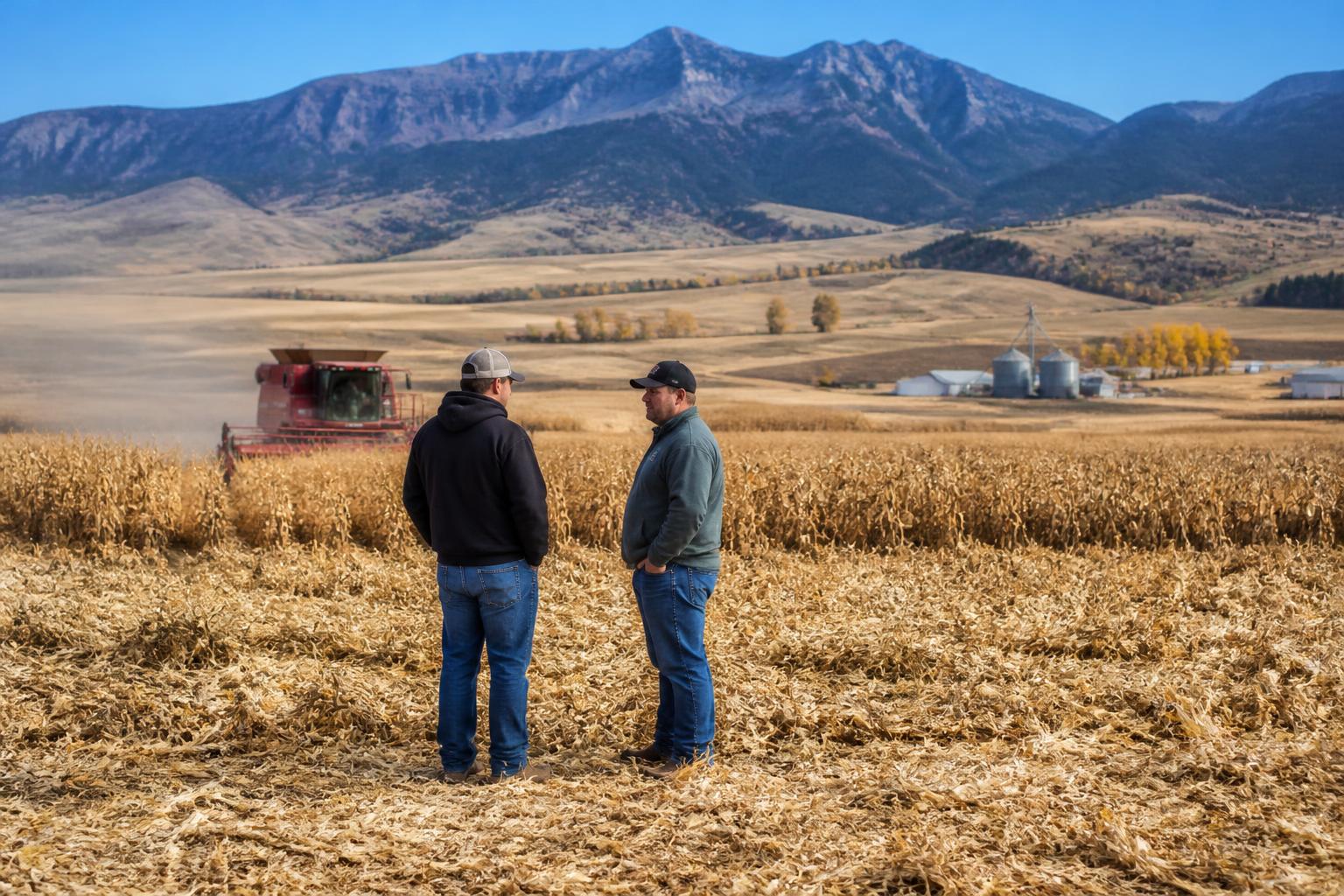
As the fall harvest season concludes across Montana, local producers are facing a period of mixed economic signals. While some segments, particularly in the cattle sector, have demonstrated relative strength, the broader grain market remains burdened by softening prices. This environment has pushed many agribusinesses to re-evaluate their logistics and export strategies to mitigate potential losses. Legislative attention remains fixed on these regional pressures, with ongoing dialogues between producers and federal representatives regarding the next Farm Bill and the impact of evolving international trade policies on the bottom line.
Prioritizing Field Stewardship and Risk Mitigation
Beyond price volatility, managing land and crop resilience remains a critical priority for operations across the state. In some counties, the lingering effects of forage competition from pests have forced a more proactive approach to land management this season. Maintaining soil health and investing in sound field stewardship practices during these cooler months can serve as a vital hedge against future uncertainty. For producers focusing on long-term stability, integrating advanced resource management techniques helps safeguard assets even when commodity price cycles turn downward.
Logistics and Market Flow
Effective movement of goods remains the backbone of the Montana agricultural economy, especially as we prepare for winter storage and transport patterns. Reliable infrastructure is essential for navigating the current market, as efficiency at the elevator and throughout the supply chain can significantly impact profitability. As noted in recent assessments of statewide grain movement, balancing regional flow during periods of heightened volatility is a skill that distinguishes resilient operations from those more vulnerable to market disruptions.
What it means for the market
The current agricultural landscape in Montana is defined by the necessity of adaptation. While external trade and price factors are often outside of a producer's direct control, internal decisions regarding input management, storage logistics, and proactive risk mitigation are proving essential. Keeping a close eye on regional supply chain fluidity and participating in local policy discussions will be vital for maintaining operations throughout the remainder of the year.
Comments
No comments yet - be the first to share your take.