
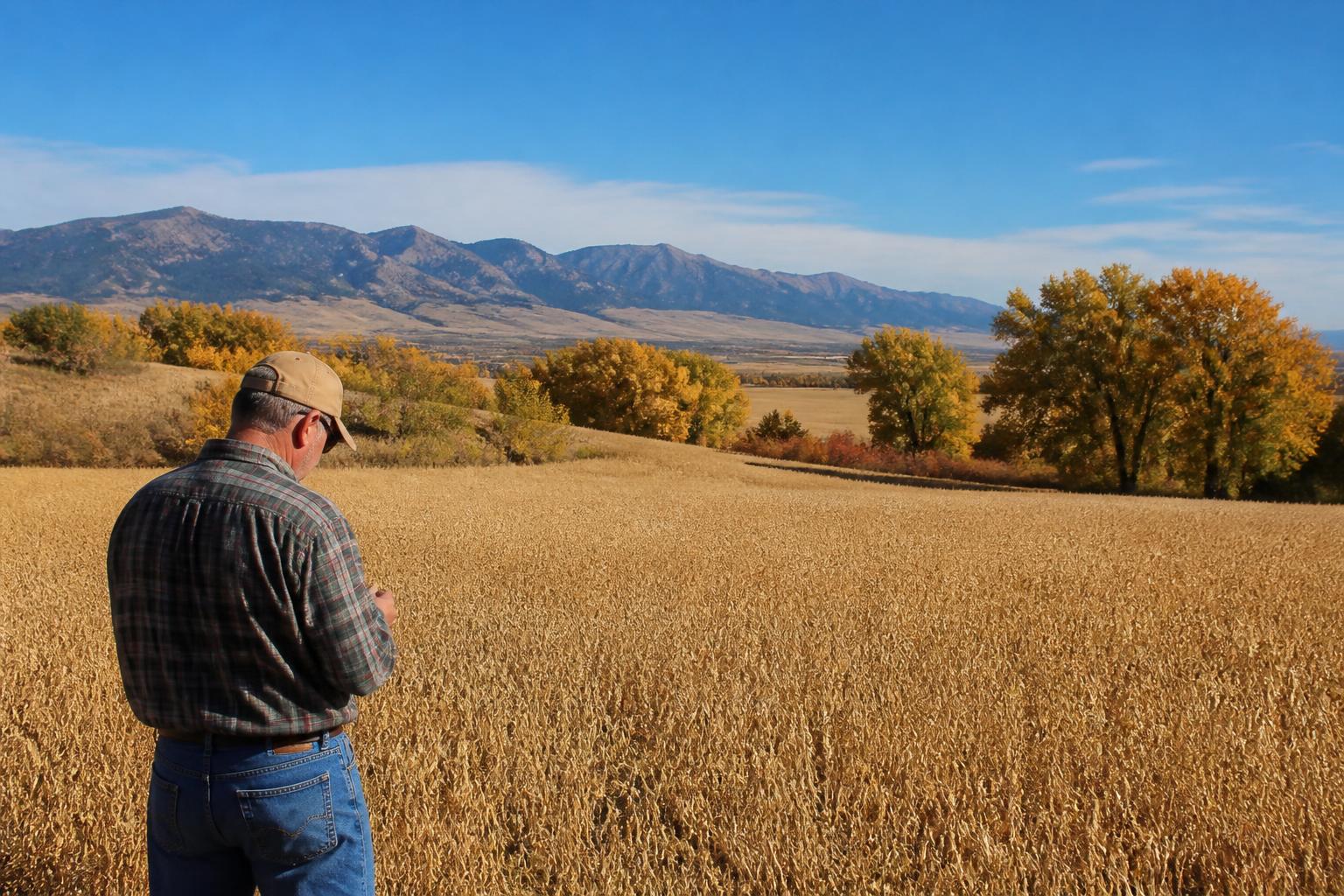
As the Montana harvest reaches its final stages this October, regional producers are increasingly focusing on post-harvest field maintenance and risk management. With the market entering a historically quieter seasonal phase, the current environment provides a window for operators to address land health and prepare for the upcoming winter dormancy.
For many across the state, prioritizing soil stability and residue management is key to maintaining productivity into the next planting cycle. Effective fall field stewardship allows producers to mitigate erosion risks and manage nutrient inputs more effectively before the ground freezes. These practices are essential for protecting the integrity of the soil in regions where high winds and fluctuating temperatures can compromise surface stability.
Managing Field Stability and Inputs
Beyond basic land management, proactive crop protection remains a critical component of regional competitiveness. Addressing persistent pest pressures during this transitionary period can help preserve the viability of winter crops and minimize complications in the spring. Implementing fall field management techniques serves as a vital safeguard for Montana growers aiming to optimize their resource allocation. In some cases, adjusting input strategies now can significantly reduce the potential for infestations or disease that might otherwise threaten early-season growth.
Strengthening Regional Agricultural Resilience
As growers navigate the current fall risk management requirements, the broader focus remains on maintaining the long-term health of Montana’s diverse agricultural operations. Whether dealing with wheat-heavy rotations or expanding pulse production, consistent application of integrated crop protection measures helps ensure that producers are not just surviving the current season but actively building resilience for the next year.
What it means for the market
The current quiet period in the markets offers a strategic advantage for agribusinesses and producers to prioritize long-term asset protection over short-term volume concerns. By securing input supplies and finalizing field protection plans during this stage of the fall, stakeholders can position themselves more effectively to handle potential supply chain fluctuations and market volatility heading into the winter months.
Comments
No comments yet - be the first to share your take.