
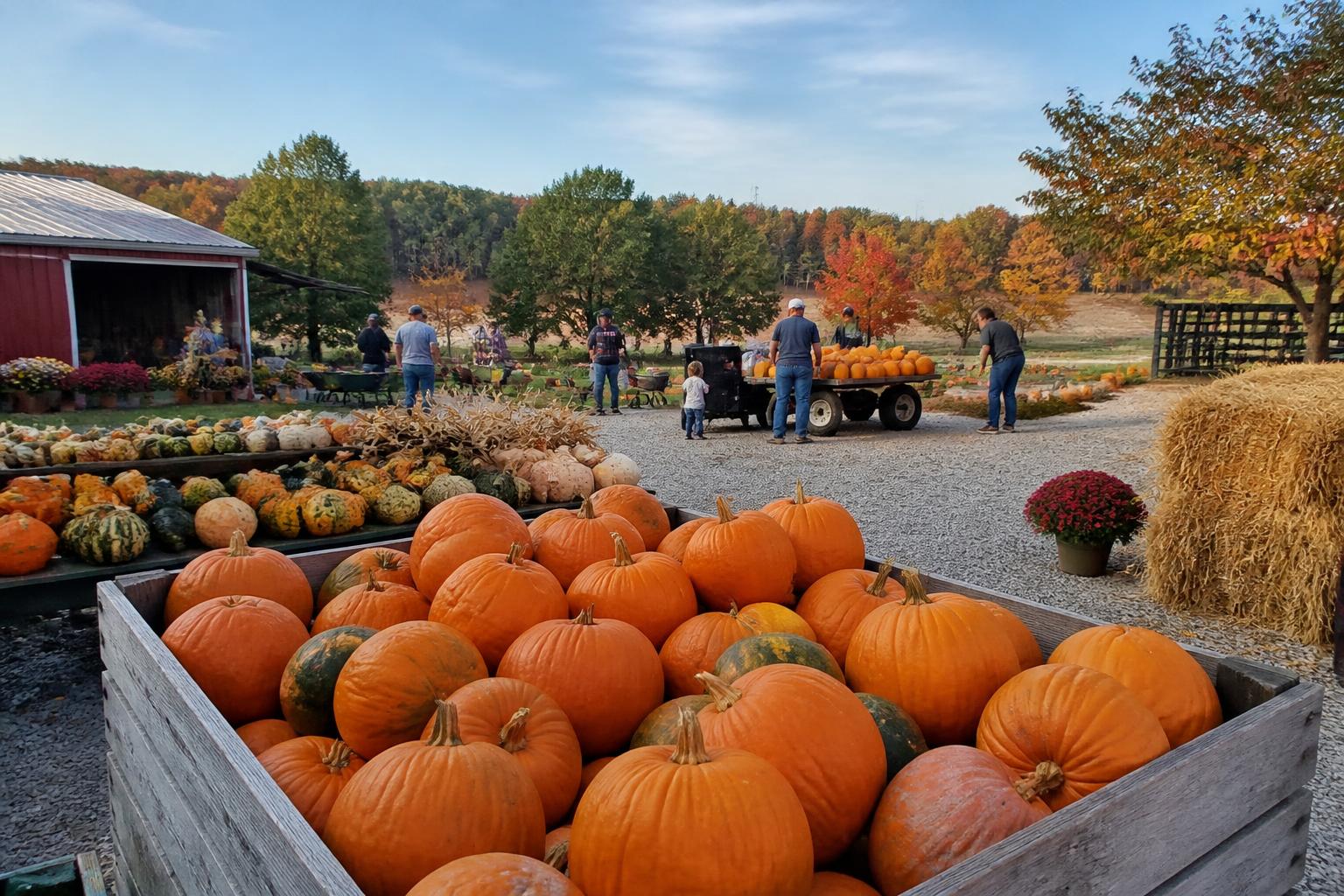
Pennsylvania farmers are currently navigating the complexities of the late-fall market, shifting their focus toward seasonal revenue streams after facing significant challenges earlier in the year. Following a period of spring frost damage, producers across the Commonwealth are working to optimize their logistical output to ensure that remaining harvests reach key distribution points without further delays.
Effective management of harvest logistics and market flow is critical during this period. For grain handlers and carriers, the pressure to maintain steady transport schedules remains high as regional elevators manage the influx of varied specialty and row crops. Ensuring that heavy equipment is properly maintained and that local haul routes remain clear is a priority for those working to capitalize on the current seasonal demand.
Strategic Investment in Specialty Crops
Beyond standard row crop logistics, there is an increasing focus on the long-term viability of high-value agricultural sectors. Recent funding initiatives, including significant support allocated to the Pennsylvania State University College of Agricultural Sciences, highlight a commitment to bolstering specialty crop resilience. Research projects targeting these areas may eventually lead to better yield management, which would change how local operations plan their annual transport needs and storage capacity.
Logistical Considerations for Producers
As the state prepares for the final push of the season, agribusinesses are encouraged to maintain flexible transport schedules. Market volatility often requires quick adjustments, and operators with established relationships at regional grain facilities are better positioned to respond to sudden shifts in throughput. Attention to equipment readiness and communication with regional transport partners can mitigate the risks associated with narrow delivery windows.
What it means for the market
The current market environment in Pennsylvania is defined by a need for agility. With seasonal activities serving as a crucial buffer for many producers, the efficient movement of crops from the field to storage or processing remains the primary bottleneck. By prioritizing logistical planning and leveraging available research to improve future yields, the state's agricultural sector continues to adapt to an increasingly complex supply chain landscape.
Comments
No comments yet - be the first to share your take.