
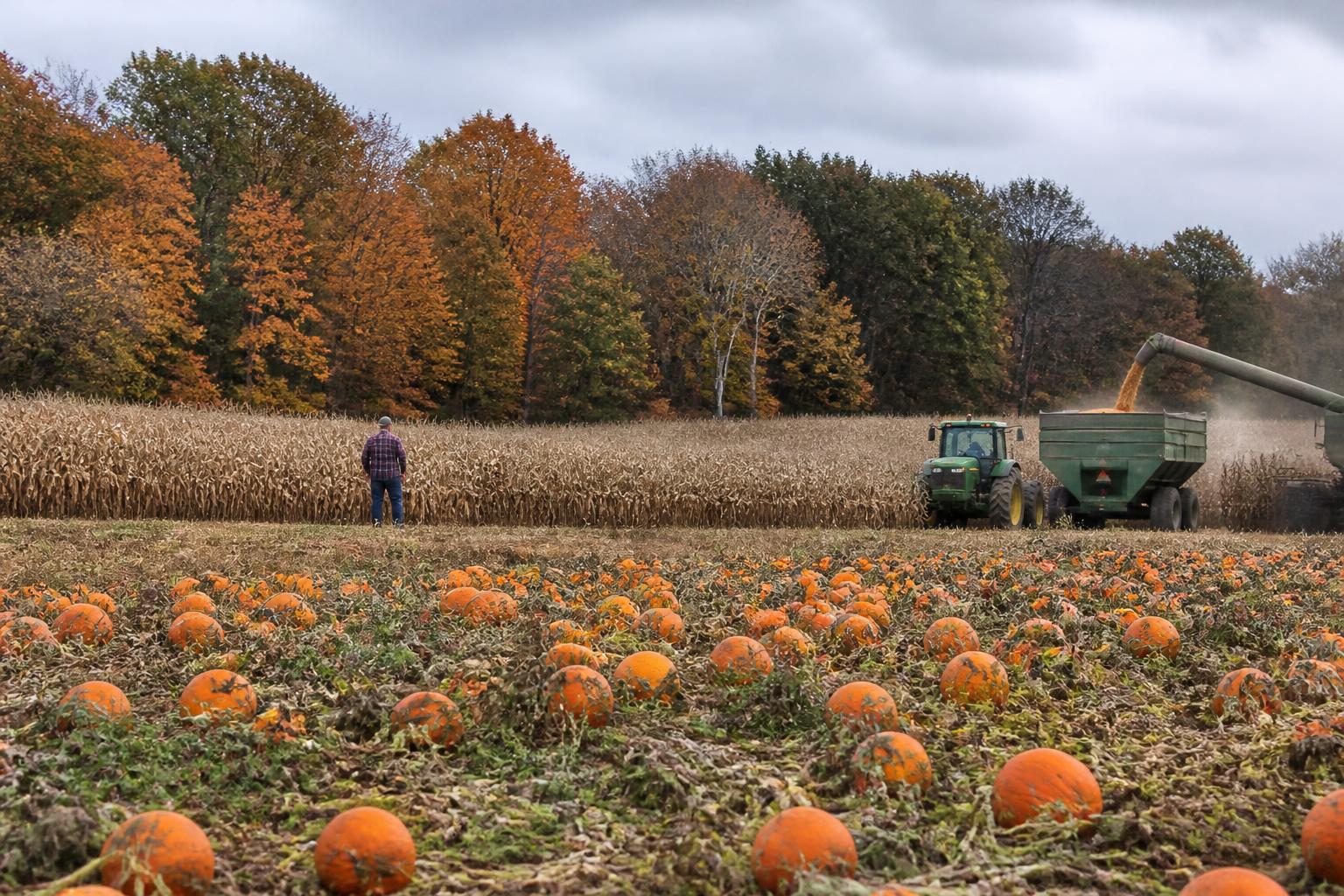
Ohio agriculture remains in the thick of the fall harvest season, with producers across the state balancing field work against a volatile energy market. As combines continue to move across fields in regions like the Miami Valley and the Northwest Ohio grain belt, the focus has shifted toward balancing immediate logistics with the fiscal constraints facing the upcoming crop year.
For many operators, the current market climate is forcing a re-evaluation of 2027 plans. With diesel prices impacting the bottom line, on-farm efficiency has become more than a logistical goal; it is a financial necessity. While many have found that on-farm grain storage offers farmers higher profit potential and flexibility during volatile windows, the overhead costs of fuel and input management continue to challenge cash reserves heading into the winter months.
Input Cost and Regulatory Landscape
Beyond fuel, the broader input market remains a primary concern for Ohio agribusinesses. The 2026 fertilizer market has shown significant fluctuation throughout the year, keeping many producers on high alert for price shifts. Furthermore, as the deadline for regulatory commentary regarding crop protection products approaches, farmers are closely monitoring how potential changes could influence standard pest management and fertility programs for the next cycle.
Strategic Planning Amid Economic Uncertainty
Recent industry reports indicate that a majority of Ohio farms entered the current season with tighter cash reserves than in previous years. This environment is driving a more deliberate approach to soil fertility and equipment maintenance. Agronomists and certified crop advisors are emphasizing the importance of precise nutrient application not only to support yields but to manage the high costs of inputs during a period of reduced liquidity.
What it means for the market
Farmers and grain handlers should prepare for continued caution in input purchasing as the industry waits for clearer pricing signals for 2027. The intersection of high fuel costs and necessary investments in crop science suggests that operational efficiency will be the defining factor for profit margins in the coming year. Maintaining localized grain storage remains a strategic buffer against immediate market volatility as the industry navigates this transition period.
Comments
No comments yet - be the first to share your take.