
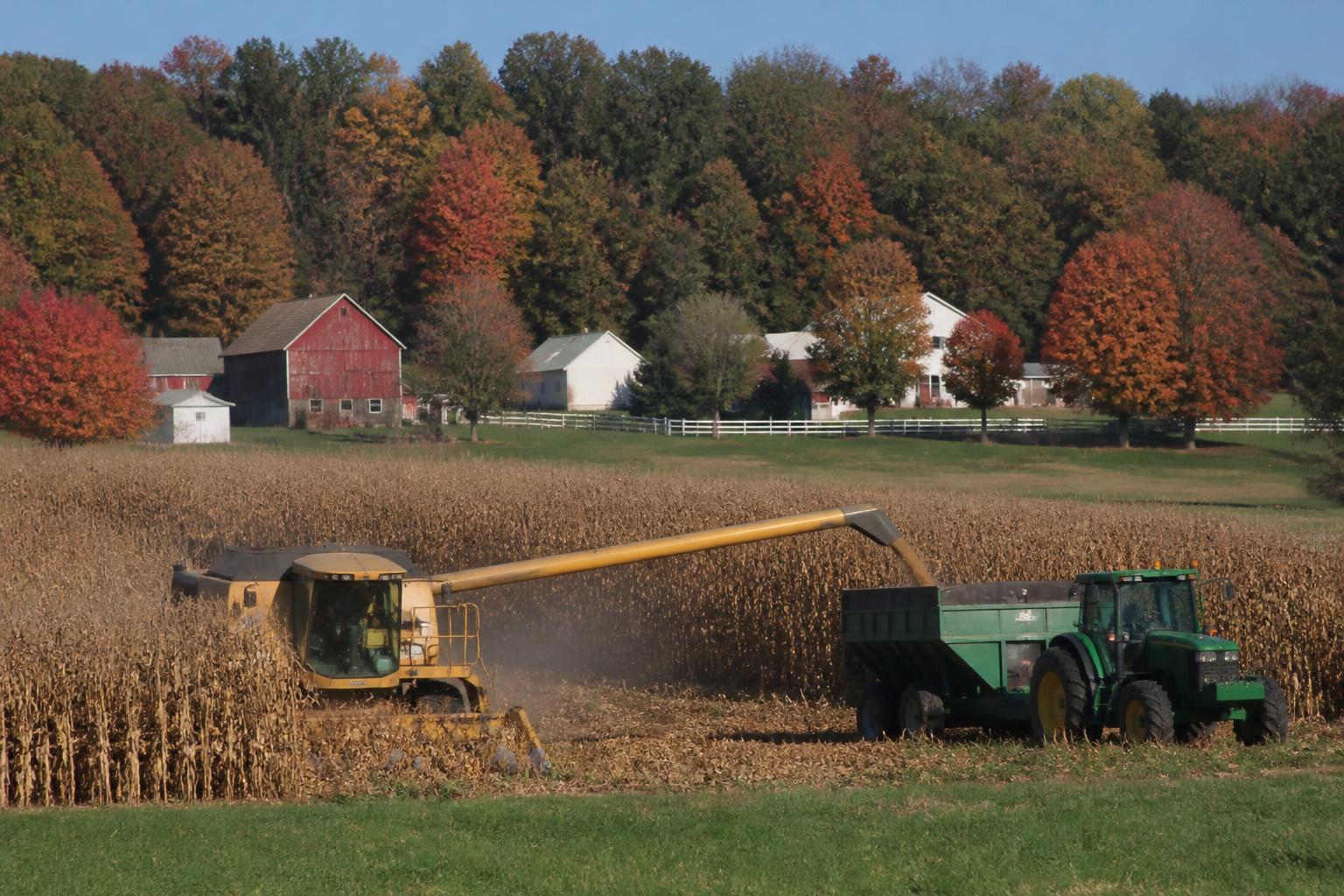
The Ohio harvest season is in full swing, bringing a typical mix of operational urgency and market uncertainty. As producers across the state continue to move grain from field to bin, many are focused on the fine balance between immediate delivery and the strategic use of on-farm storage. Understanding basis levels remains a crucial component for those looking to manage risk during this high-traffic period, especially as regional transport corridors see increased activity.
Managing On-Farm Logistics and Market Pressure
With on-farm storage and safety becoming a primary focus, operators are reminded that efficiency at the elevator often hinges on well-maintained equipment and organized harvest logistics. The current market environment, influenced by both domestic weather patterns and emerging trade agreements, necessitates a disciplined approach to grain merchandising. For many growers, the ability to hold inventory can serve as a vital hedge against short-term price swings.
Adapting to Evolving Rural Infrastructure
Beyond the bin, farmers are increasingly contending with shifting rural landscapes. The rise of industrial developments, such as data centers in some regions of the state, may introduce new challenges to local logistics and land use. As these rural communities evolve, keeping a pulse on local market volatility and harvest logistics is essential for maintaining a competitive edge during the busiest weeks of the year. Producers are encouraged to evaluate their individual storage capacities and transportation plans early to mitigate potential bottlenecks.
Strategic Planning for Long-Term Resilience
While the immediate priority is the successful completion of the current harvest, forward-thinking agribusinesses are already looking toward the next cycle. Balancing input costs, including potential adjustments to fertilizer programs, with current grain receipts is a standard part of the fall planning process. As highlighted in discussions regarding protecting farm assets and managing volatility, a proactive stance on financial and operational planning remains the best defense against unpredictable market cycles.
What it means for the market: For Ohio producers, the combination of harvest-time pressure and changing regional infrastructure requires a dual focus on operational efficiency and market timing. Successfully navigating this season involves not only securing the crop but also making data-driven decisions on when to sell versus when to store, ensuring that logistical constraints do not erode the potential value of the harvest.
Comments
No comments yet - be the first to share your take.