
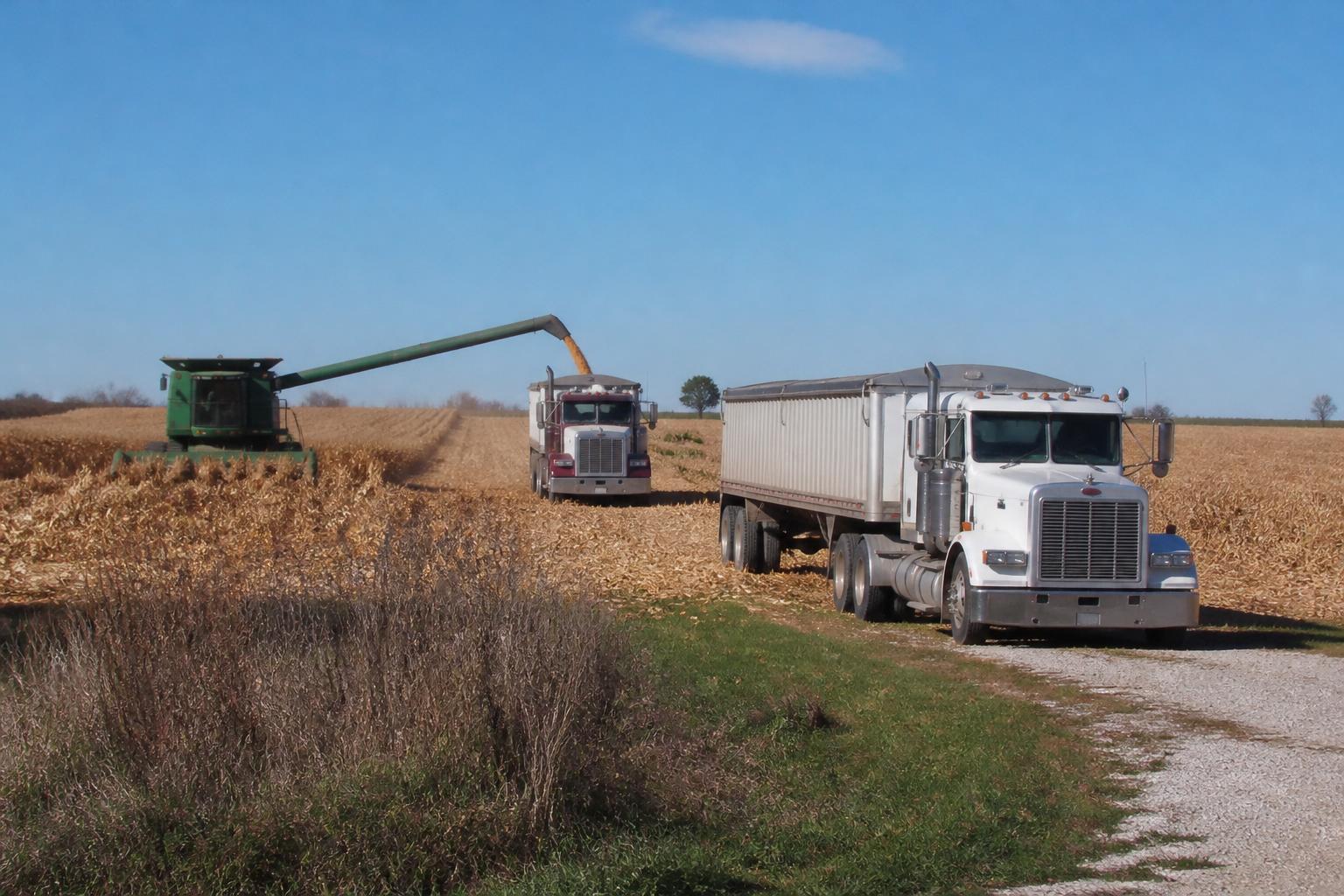
Minnesota producers are currently navigating the peak of the fall harvest season, with recent data showing the majority of the state's corn and soybean crops in good-to-excellent condition. As fields continue to clear, the immediate challenge for many agribusinesses and operators has shifted toward managing the efficient flow of grain from the combine to regional elevators and, eventually, to major export channels.
Maintaining momentum during this window requires careful attention to both regional infrastructure and external market pressures. While producers manage field-side logistics, the broader transportation network remains a focal point. Recent reports indicate that rail network velocity has shown signs of softening, and grain car fulfillment has been uneven in recent weeks. This variability can lead to localized backups at storage facilities, placing a premium on proactive scheduling and communication with logistics partners.
Adapting to Logistics and Input Challenges
For many across the state, the current environment necessitates a dual focus: managing short-term transport needs while preparing for the upcoming season. While the industry continues to explore innovation in logistics, such as digital platforms aimed at improving haul efficiency, operational costs remain a persistent factor. Producers and grain handlers are closely monitoring diesel prices, which continue to influence the overall profitability of moving commodities through critical corridors like the I-35 route.
Furthermore, as operators look toward the 2027 season, early strategic planning is becoming increasingly important. Conversations around input procurement, particularly for fertilizer, are beginning to gain traction. Evaluating the current state of field conditions and input strategy early can help mitigate potential price volatility and ensure that operational assets, such as storage and transportation, are aligned with long-term financial goals.
Strategic Storage and Asset Management
With infrastructure utilization at its peak, some cooperatives are optimizing their footprint through strategic facility management. For those managing on-farm storage, the priority remains balancing capacity with the rhythm of the financial risks associated with market timing. Understanding local elevator capacity and rail availability allows for more informed decision-making regarding when to hold grain or accelerate delivery to market.
What it means for the market
The current logistical landscape in Minnesota is characterized by a high-stakes balance between favorable crop quality and inconsistent transportation throughput. As the industry heads into the final stretch of the harvest, success will likely favor those who maintain high communication with regional rail and trucking partners while simultaneously front-loading their 2027 input planning to hedge against potential margin compression.
Comments
No comments yet - be the first to share your take.