
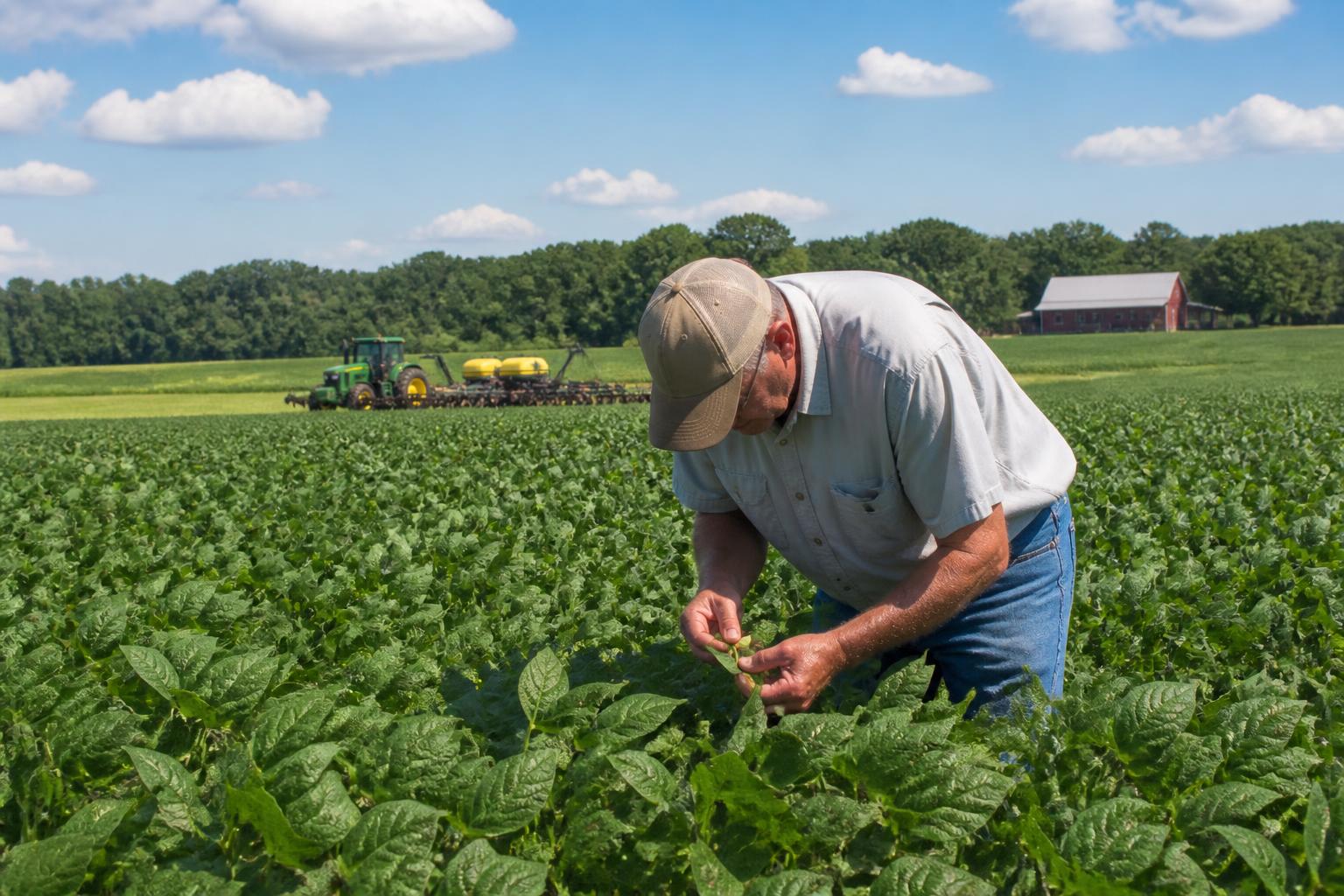
As summer temperatures peak across Virginia, local row crop growers are turning their attention to critical crop protection challenges. With cotton and soybean fields moving through crucial developmental stages, managing late-season weed escapes and insect pressure is essential for securing yield potential.
Managing Thrips and Plant Bugs in Virginia Fields
Insects remain a dominant concern for the state's growers this season. Field observations indicate that thrips have emerged as a top insect challenge for Virginia cotton producers, requiring careful monitoring and timely management. Alongside thrips, tarnished plant bugs are also demanding close attention, particularly in the major cotton-producing counties of southeastern Virginia, such as Southampton and surrounding areas near Suffolk.
Entomologists urge growers to scout fields regularly, as unchecked thrips infestations can stunt early growth and delay maturity, making crops more vulnerable to late-summer weather risks. Implementing targeted threshold-based treatments helps preserve beneficial insect populations while keeping input costs manageable during a volatile marketing year.
New Herbicide Labels and No-Till Strategies
On the weed management front, Virginia growers have gained a new tool with the recent registration label granted for Pindar GT herbicide. This registration provides local producers with an additional option for residual weed control, helping to suppress tough-to-manage broadleaf weeds that challenge standard spray programs.
The introduction of new herbicide options aligns with a broader shift in the state, where many Virginia growers are expanding their no-till philosophy. Combining conservation tillage with maximized legume cover crops has proven effective in improving soil structure and naturally suppressing early weed flush. Integrating chemical controls like Pindar GT with robust cover crop residue allows operations to maintain clean fields while protecting fragile coastal plain soils from erosion.
Integrating these approaches requires careful planning, especially when coordinating field passes to address both weed populations and potential disease risks during dry summer conditions. Balancing chemical applications with biological cultural practices remains the cornerstone of modern Virginia crop protection.
Key Takeaways for Virginia Growers
- Scout for Thrips: Prioritize routine field scouting for thrips and plant bugs, particularly in cotton-heavy southeastern counties.
- Utilize New Herbicide Labels: Assess how newly registered tools like Pindar GT can fit into existing residual weed control plans.
- Leverage No-Till and Covers: Maintain residues from legume cover crops to assist with moisture retention and weed suppression during hot summer weeks.
What it means for the market
For Virginia agribusinesses, input suppliers, and grain handlers, the focus on crop protection highlights the ongoing effort to defend yield baselines against seasonal pests. While market pricing for regional row crops remains highly sensitive, efficient pest and weed management can prevent late-season yield drag. Suppliers should expect steady demand for targeted insecticide treatments and selective residual herbicides as growers protect their investment into the late summer months.
Comments
No comments yet - be the first to share your take.