
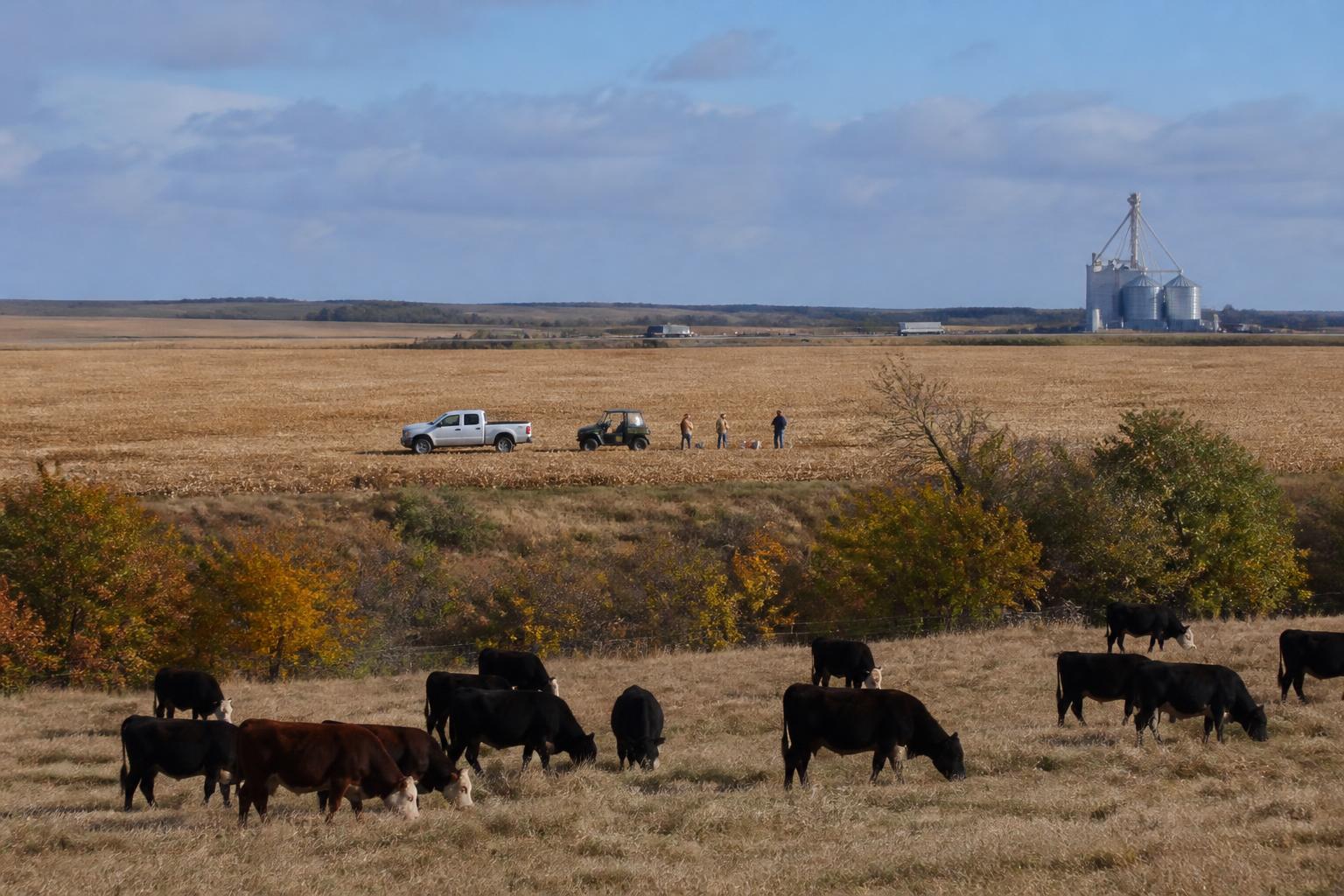
As Oklahoma producers settle into the fall harvest cycle, the focus has shifted from field production toward long-term operational sustainability. While local yields remain a primary concern, the broader conversation across the plains is increasingly shaped by evolving federal directives that may impact the future availability and use of essential agricultural chemicals.
For many Oklahoma agribusinesses and independent growers, these developments signal a need for proactive planning. Understanding how potential regulatory changes could influence input availability is critical, especially when balancing the need for navigating input costs amid late-season volatility. Staying informed on these policy shifts can help farm managers avoid supply chain bottlenecks in the coming year.
Evaluating Regulatory Impacts on Field Operations
Researchers at institutions like Oklahoma State University continue to investigate how resource management practices, including the application of protective chemicals, interact with the state's diverse soil and water conditions. Large-scale studies often look at the intersection of environmental safety and economic efficiency. For the average Oklahoma operator, this emphasizes the importance of precision application to maximize effectiveness while keeping an eye on tightening regulatory standards.
Producers are encouraged to maintain close communication with local suppliers and chemical consultants as new directives emerge. In regions where cotton and wheat production are dominant, any shift in the chemical toolset can ripple through harvest planning and pest management strategies. Addressing these uncertainties early can be as vital as managing the shifting market stocks that currently characterize the state's grain sector.
Key Takeaways for Oklahoma Producers
- Regulatory scrutiny on chemical applications is expected to persist; maintain thorough records of all inputs.
- Consult with extension specialists regarding alternative management strategies to mitigate potential chemical bans or restrictions.
- Coordinate with local elevators and chemical retailers to understand how regional inventory may fluctuate in response to national policy changes.
What it means for the market: The current climate suggests that agricultural input management will require a more defensive strategy than in previous cycles. As regulatory frameworks evolve, growers who prioritize data-driven application and diversify their input supply networks will be better positioned to handle the potential price spikes or supply constraints that often follow sweeping industry directives.
Comments
No comments yet - be the first to share your take.