
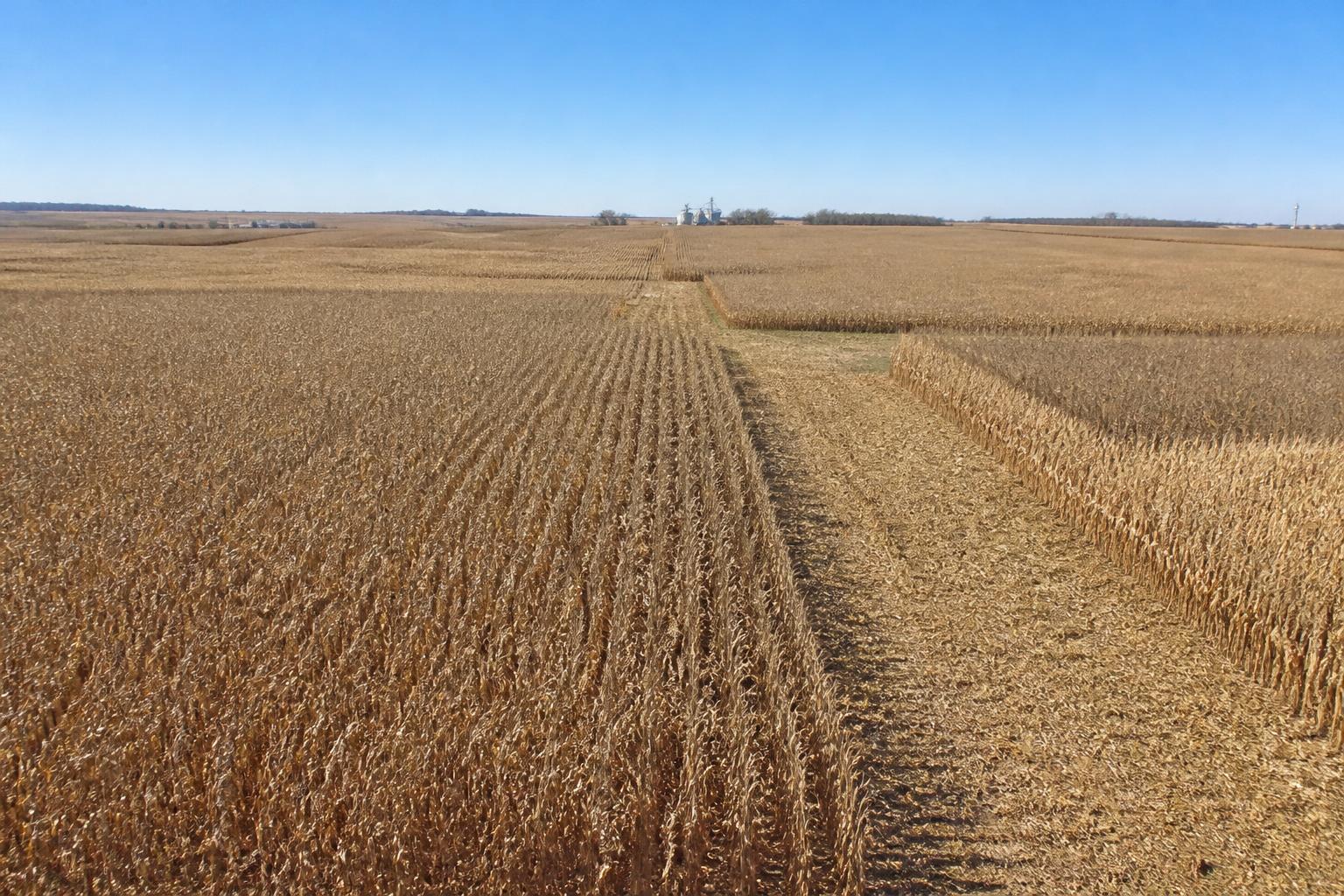
As harvest winds down across North Dakota, producers are facing a complex market environment. With grain prices trending softer as we move through late October, the focus has shifted toward balancing current operational realities with long-term input strategies. Understanding how these price pressures affect the bottom line is essential for those looking to manage North Dakota crop protection and market volatility this fall.
Regional conditions continue to influence how growers approach their fields. While some areas are seeing steady progress, producers are keeping a close eye on yield performance after a growing season marked by varying moisture levels. Just as neighbors in neighboring states have noted the impact of dry weather on summer crops, North Dakota farmers must remain diligent in their post-harvest assessment to determine how environmental stressors may have affected the efficacy and necessity of their recent crop protection programs.
Refining Input Strategies for the Upcoming Season
As the season shifts toward winter, the priority for many agribusinesses is to evaluate what worked and what didn't in this year's spray programs. Careful review of field performance can help prevent over-application in the future and optimize return on investment. For those navigating the intersection of logistical hurdles and input management, maintaining a balanced approach to your crop protection outlook is critical to ensure that cost-cutting measures do not compromise future yield potential.
What it means for the market
In this market, patience and data are the best tools for North Dakota producers. Softer commodity prices often require a tighter grip on variable costs, particularly in crop protection. By analyzing current yield results and adjusting input strategies accordingly, farmers can better insulate their operations against broader price fluctuations, ensuring they are well-positioned for the upcoming planting cycle despite current market headwinds.
Comments
No comments yet - be the first to share your take.