
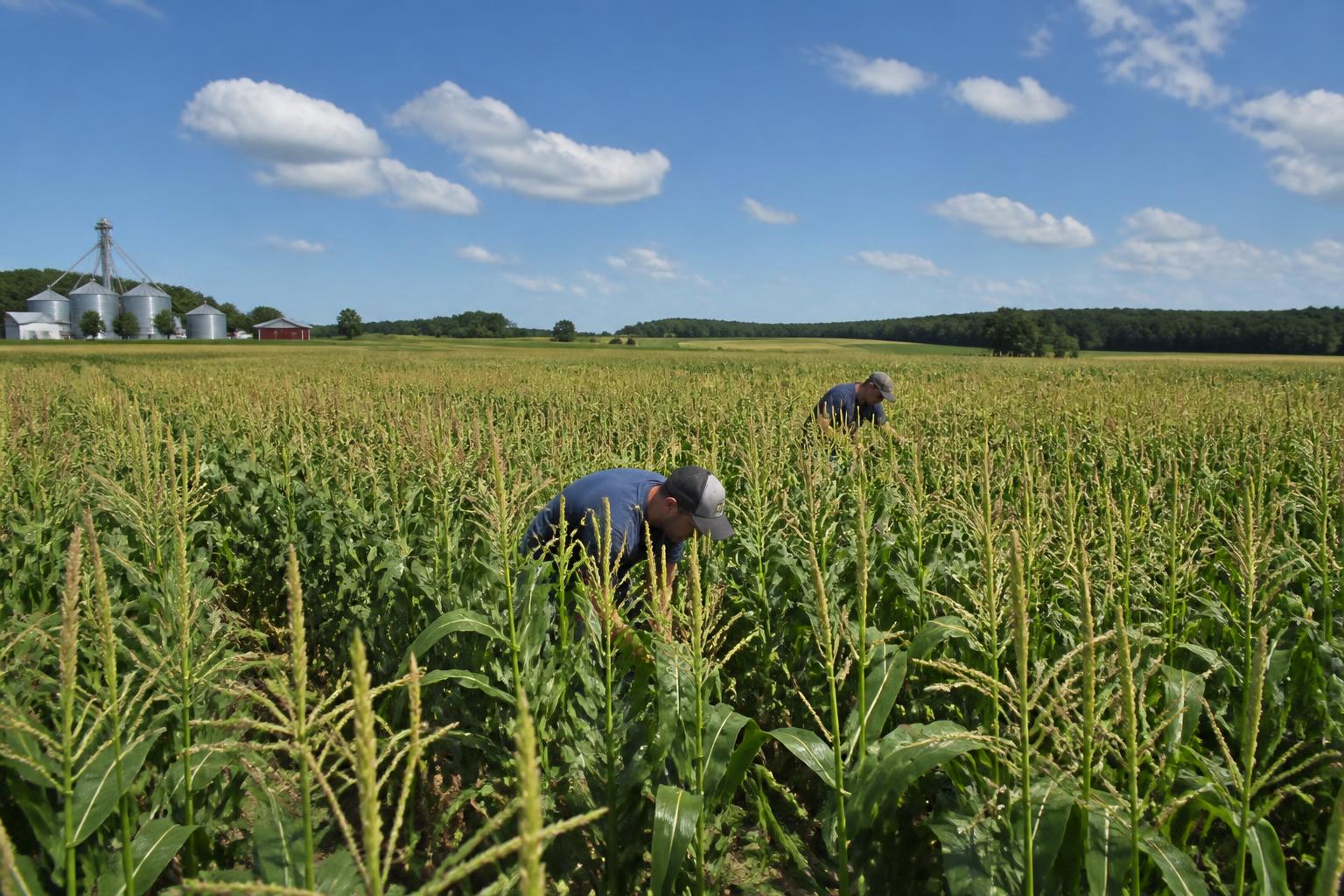
In the heart of the Alaskan summer, local policymakers and farmers are working to reshape the state's agricultural independence. Governor Dunleavy's introduction of the CROP Act aims to incentivize local food production, providing a policy spark for the state's grain and livestock feed producers. As Alaska navigates its short, intense growing season, these local initiatives arrive at a critical juncture, balancing unique regional challenges with broader national market forces.
The CROP Act and Local Grain Production
The introduction of the CROP Act marks a focused effort to bolster food security and stimulate agricultural development across Alaska. For local grain growers, particularly those in key production areas like Delta Junction and the Matanuska Valley, this legislation could provide the regulatory and financial scaffolding needed to expand acreage. Traditionally, Alaskan livestock operations have relied heavily on imported feed grains, making them vulnerable to volatile shipping rates and supply chain bottlenecks along marine and highway corridors. By fostering localized crop production, the state aims to establish a more self-sufficient feed market.
Because Alaskan agricultural supply chains are historically fragile, any domestic grain boost helps buffer local farms from shipping disruptions and high transport overhead.
High Inputs and the High-Latitude Grind
While local policy offers encouragement, Alaskan grain producers are still grappling with the harsh realities of high input costs. Nationally, farmers are facing a squeeze with commodity prices hovering near four-dollar corn alongside stubborn fertilizer expenses. In the far north, these challenges are amplified by the high costs of transporting bulk inputs from the Lower 48.
To offset the expense of importing commercial blends, some growers are exploring high-latitude soil management and local nutrients to keep their summer operations viable. Even with slightly softer diesel prices nationwide, the specialized freight required to bring liquid fertilizers and seed to remote Alaskan fields keeps local production costs high.
Diversifying Demand and Market Niches
The push for local grain also aligns with emerging niche markets in the state. Beyond livestock feed, local barley and specialized grains are finding a home in regional food processing and beverage industries. The growth of local processing has been aided by the evolving Alaskan craft beer sector, which relies on local malts and specialty grains. Developing these domestic value-added pipelines ensures that Alaskan grain growers have reliable local buyers, insulating them from national price swings that currently plague larger Midwestern commodity markets.
What It Means for the Market
For Alaska's agricultural sector, the combination of the CROP Act and stubborn input costs means efficiency is paramount this summer. While national grain markets struggle with low crop prices and high overhead, Alaska's focus on building a self-sufficient, localized feed and grain network offers a defensive shield. Agribusinesses, livestock owners, and grain handlers in the state should monitor the progress of local incentive programs, as they are likely to shape planting decisions, local feed availability, and regional storage demands heading into the fall harvest.
Comments
No comments yet - be the first to share your take.