
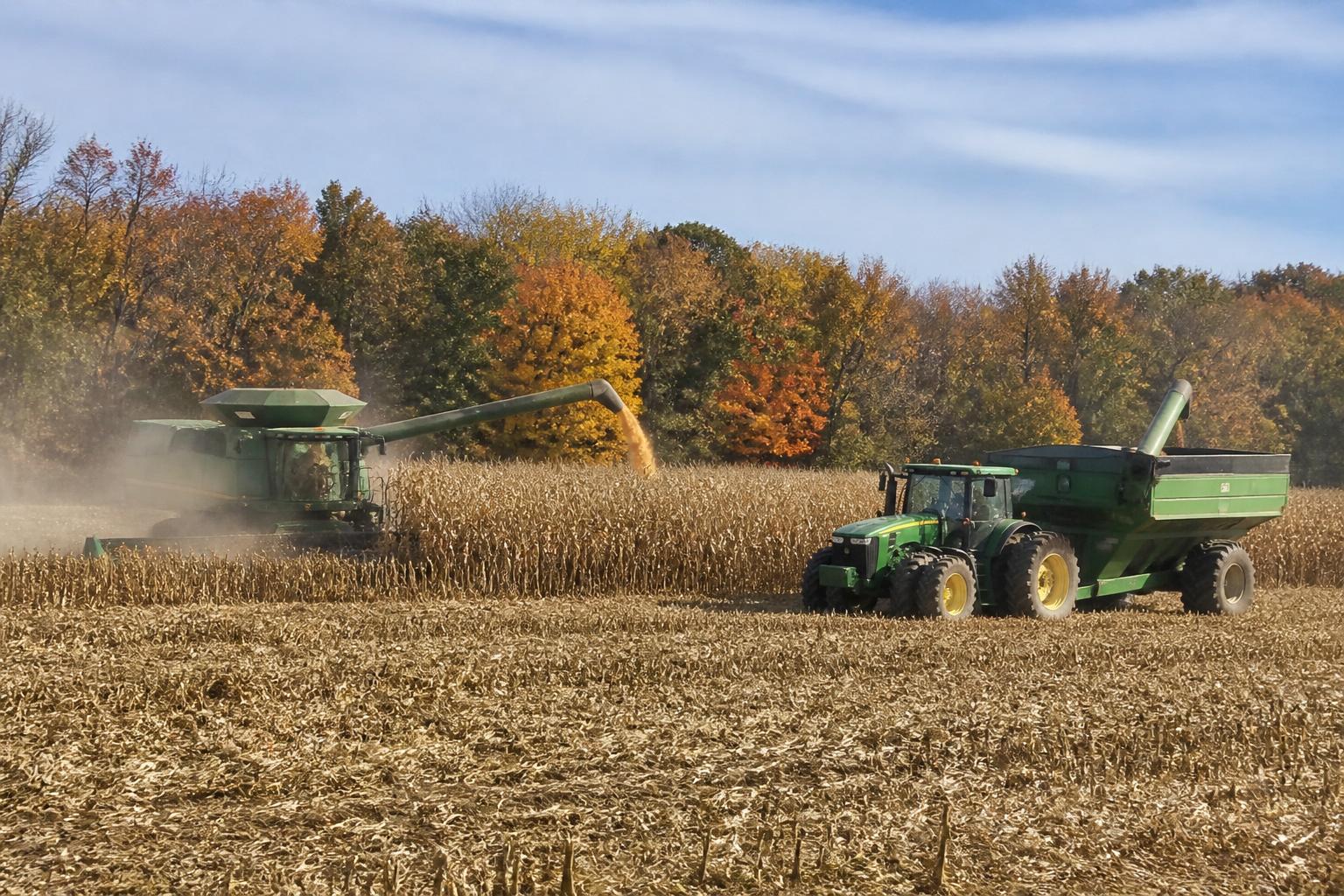
With the autumn season now in full swing, Arizona growers and shippers are shifting their focus to the logistical hurdles that accompany peak agricultural movement. As production cycles align with harvest and distribution needs, the state's transport network remains a critical focal point for ensuring that goods flow smoothly from fields to regional and national distribution centers.
Maintaining agility in supply chains is essential during this period, particularly as carriers manage the demands of seasonal traffic. Operators are often encouraged to stay apprised of shifting transit and regulatory pressures that can impact route planning and delivery timelines across the state's major highway corridors.
Infrastructure and Operational Efficiency
Infrastructure remains a cornerstone of successful agricultural logistics in Arizona. Whether dealing with short-haul transit to local processing facilities or coordinating the movement of produce toward major ports, the ability to anticipate and circumvent bottlenecks is paramount. Many logistics managers rely on real-time assessments of road conditions and terminal capacity to optimize their daily load schedules.
Cross-Border Coordination
For agribusinesses involved in international trade, the complexity of cross-border logistics continues to require diligent planning. Navigating documentation requirements and terminal throughput is a regular part of the operational landscape in southern Arizona. By prioritizing clear communication with carriers and customs partners, stakeholders can better mitigate the risks associated with unexpected delays.
What it means for the market
For farmers, handlers, and carriers, the current market environment underscores the value of proactive logistics management. As we move through the remainder of the fall season, those who maintain flexible scheduling and stay informed about infrastructure developments will be better positioned to manage costs and ensure product reliability in an increasingly competitive transportation landscape.
Comments
No comments yet - be the first to share your take.