
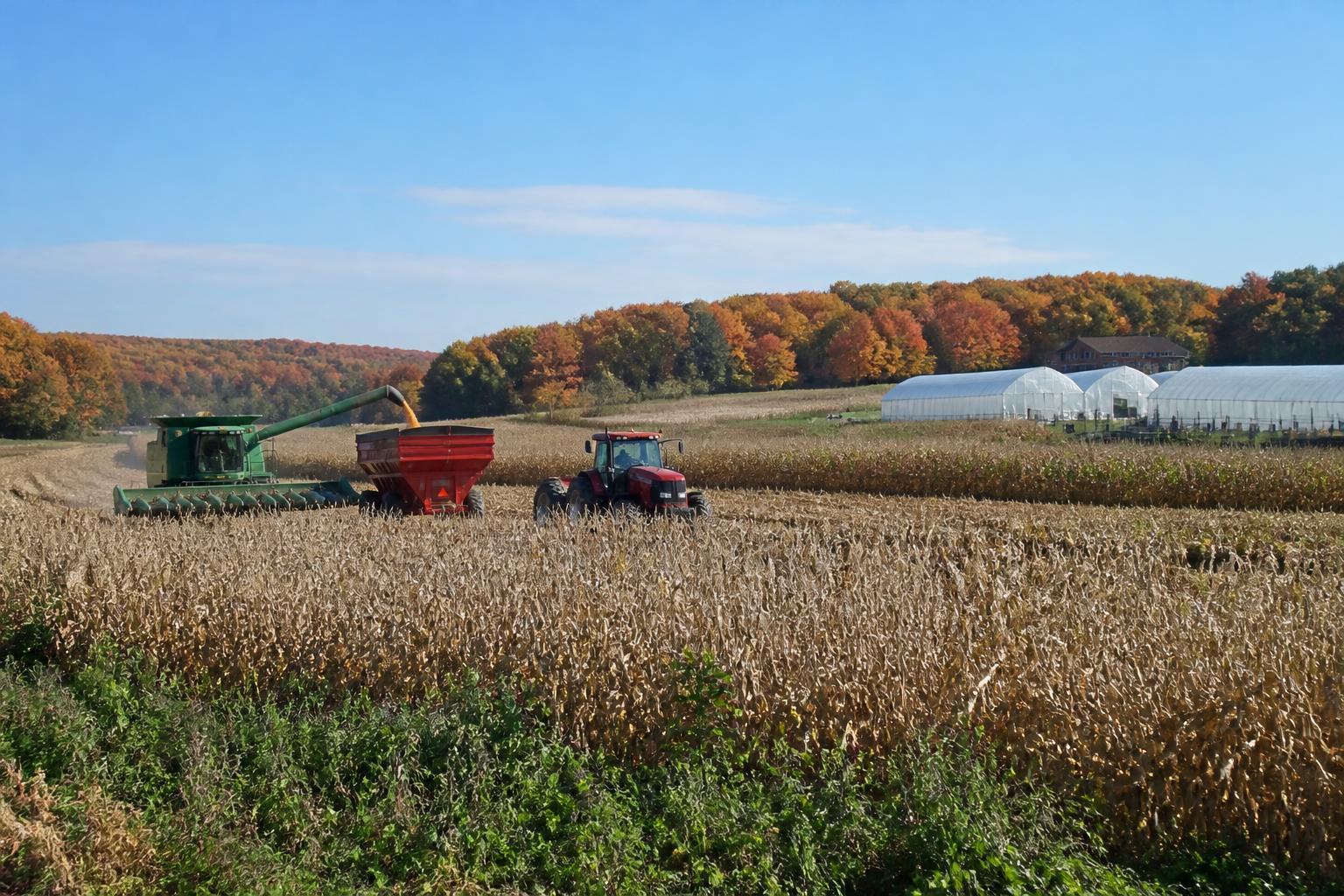
As the fall season progresses, Arizona's agricultural sector continues to balance operational efficiency with a tightening regulatory environment. For growers and logistics providers across regions like Yuma and the central desert corridors, this time of year often marks a critical window for moving high-value produce and prepping infrastructure for the winter months. Maintaining consistent throughput remains a priority, yet participants must stay mindful of shifting policies that could impact downstream distribution.
Operational success in the current landscape often hinges on the ability to anticipate regional bottlenecks and adapt to local regulatory shifts. Recent advocacy efforts focused on pesticide restrictions serve as a reminder that growers in Arizona may face evolving compliance standards in the near future. Keeping a close watch on these developments is essential for logistics managers and producers alike who need to ensure their supply chains remain resilient against sudden policy changes.
Managing Seasonal Transit Efficiency
The state's vast network of highways and cross-border transit points remains the backbone of the local industry. As volume increases, many operators are turning to advanced digital tools to optimize import flows and streamline communication between field, packing house, and retail destination. Whether coordinating with commercial carriers or managing private fleet schedules, reducing idle time at transit hubs can be the difference between a profitable shipment and added overhead.
For those navigating the complexities of international trade, understanding the nuances of cross-border trade is increasingly critical. Seasonal fluctuations in transit demand often stress infrastructure, and being prepared for potential administrative delays at major crossings can help minimize disruptions to sensitive fresh produce timelines.
Building Resilience for Long-Term Growth
Beyond the immediate concerns of the fall harvest, the industry is increasingly focused on the intersection of infrastructure and sustainability. While some operations are evaluating new greenhouse expansion efforts, regional transport constraints continue to dictate the speed and scale of these projects. Building for the long term requires not only efficient logistics but also a proactive stance on environmental and labor regulations that define the regional ag-economy.
Key Takeaways
- Monitor state-level legislative updates regarding pesticide usage and environmental compliance.
- Leverage real-time transit data to navigate potential congestion at major logistical corridors.
- Prioritize communication with transport partners to mitigate risks associated with cross-border volatility.
What it means for the market: For Arizona's agricultural stakeholders, the current climate demands a blend of tactical flexibility and long-term planning. While operational challenges such as transit bottlenecks and regulatory shifts persist, those who integrate smart logistics technologies and stay ahead of policy discussions are better positioned to maintain their competitive edge in a demanding market.
Comments
No comments yet - be the first to share your take.