
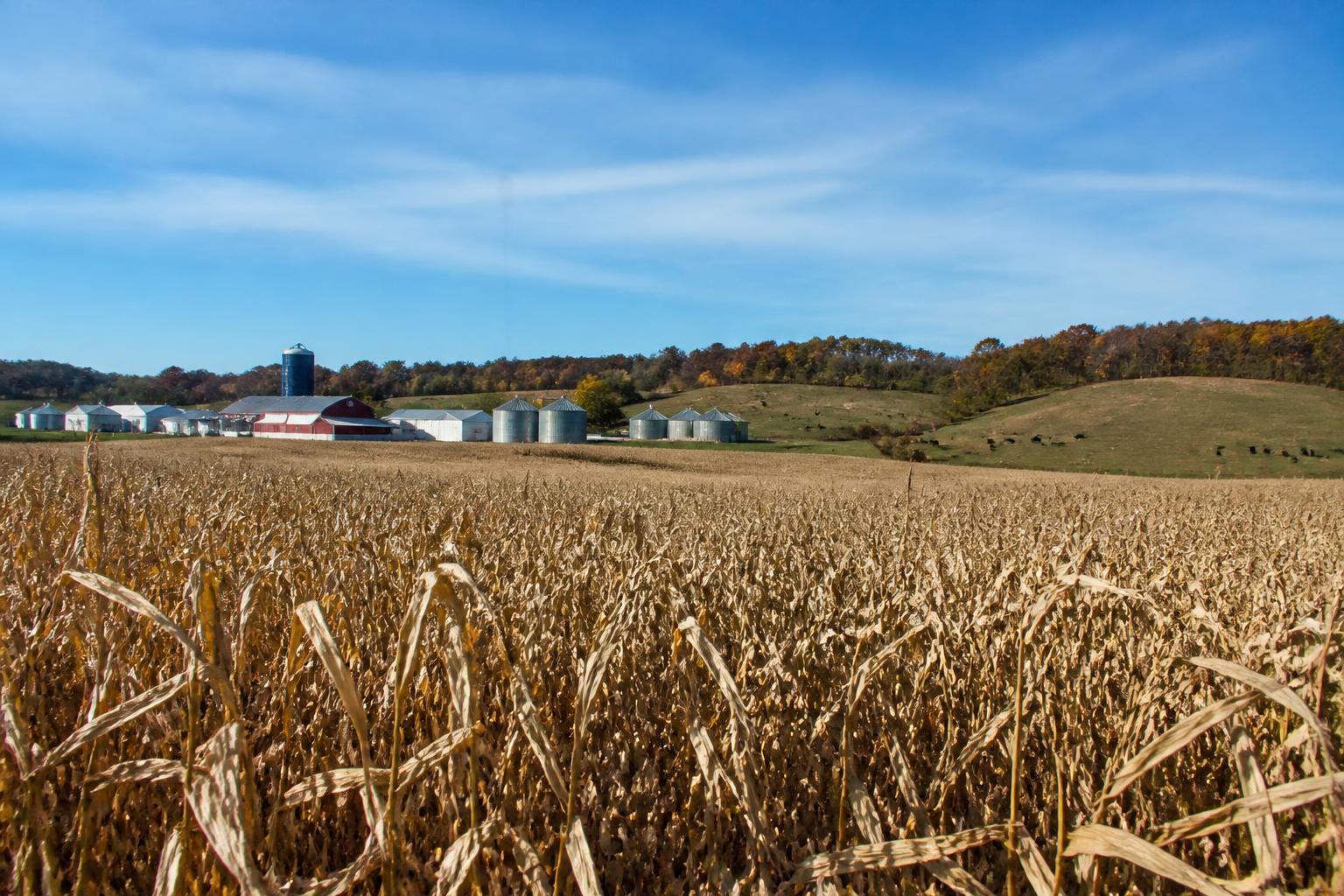
As Hawaii moves into the fall season, the state's agricultural community continues to balance the demands of modern market volatility with the persistent need for robust protection measures. For local producers, the challenge often lies in maintaining steady operations amidst the unique logistical constraints of island agriculture, where protecting the land is as critical as monitoring fluctuating market trends for commodities like corn and livestock.
Protecting the agricultural supply chain remains a top priority for stakeholders, especially when navigating supply chain dynamics in Hawaii's agricultural sector. The recent emphasis on expanding the ranks of inspectors through new training initiatives underscores the state's commitment to safeguarding local crops from external threats. These efforts are essential to ensuring that farmers on islands like Molokai and operations with long-standing, multi-generational legacies can continue to thrive despite the risks posed by extreme weather events or invasive pests.
Resilience Across the Islands
Whether it is managing ancestral crops or supporting the next generation of life sciences scholars, the focus remains on sustainable growth. The integration of modern technology with traditional knowledge allows for a diversified approach to farming. Producers are increasingly aware that biosecurity is not just a regulatory hurdle but a fundamental component of maintaining the competitive edge of Hawaii-grown products.
Market Stability and Risk Management
While global grain markets often exhibit mixed signals, Hawaii's producers generally prioritize steady production and biosecurity over reacting to daily price swings. The reliance on imported inputs means that local businesses must stay vigilant regarding regional vulnerabilities. By focusing on localized security and efficient logistical planning, farms and agribusinesses can better shield themselves from the broader uncertainties impacting the U.S. agricultural market at large.
What it means for the market
For grain handlers, input buyers, and local farmers, the current environment necessitates a proactive approach to risk. Strengthening local biosecurity protocols and diversifying crop portfolios are effective ways to mitigate the impacts of potential supply chain disruptions. As we head deeper into the year, keeping a close watch on regional infrastructure and inspection capacities will be vital for those looking to maintain consistent market access.
Comments
No comments yet - be the first to share your take.