
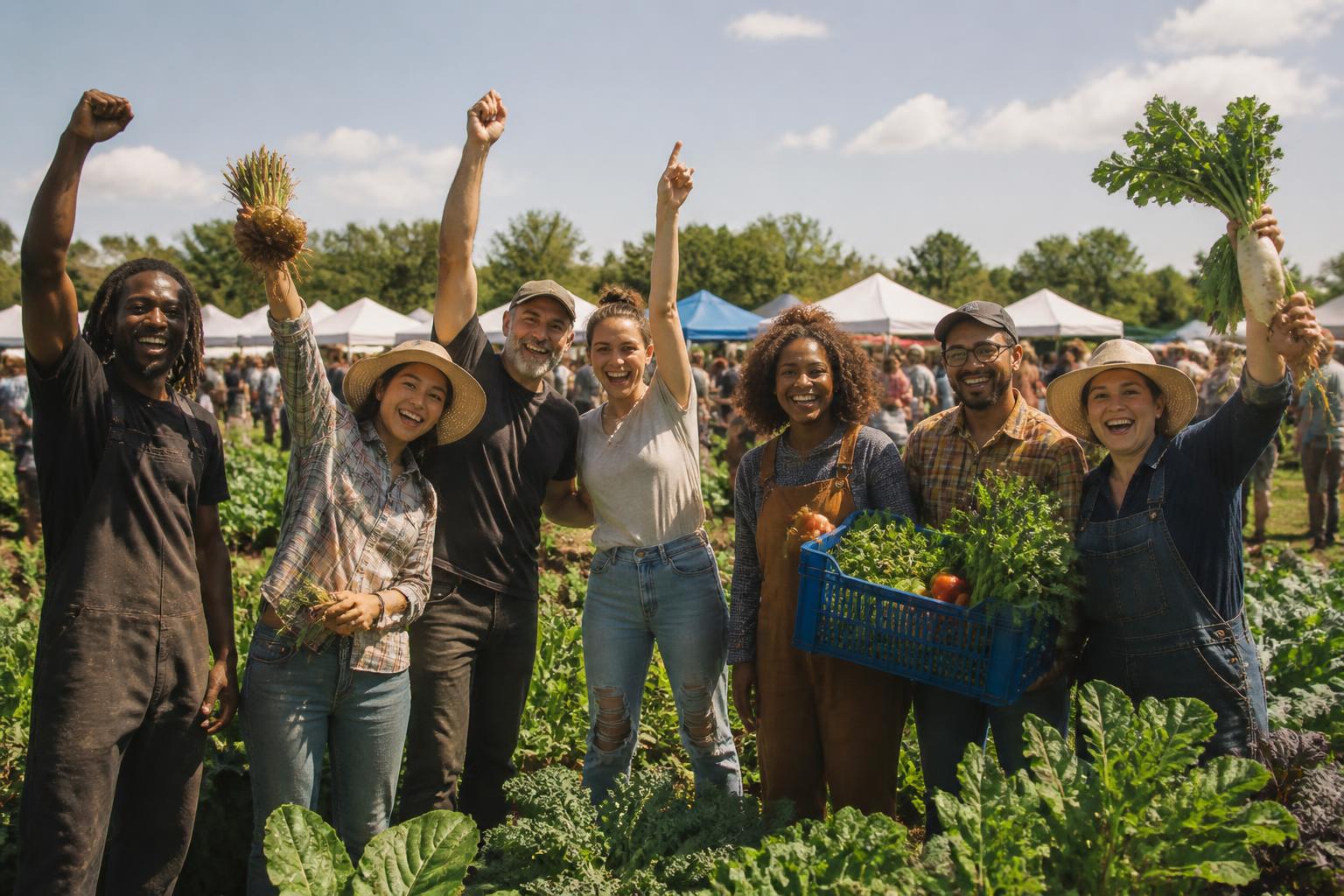
In Hawaii, where isolated island ecosystems present both unique agricultural opportunities and distinct biological vulnerabilities, securing the local supply chain is a constant priority. This summer, Hawaii's agricultural sector received a significant boost as the state and the University of Hawaii secured more than $322,000 in funding dedicated to plant pathogen detection and biosecurity innovation. This investment arrives at a critical time for island growers, particularly those involved in high-value seed crops, specialized grains, and local feed production.
While Hawaii is not typically associated with large-scale commodity grain fields like the U.S. Midwest, the state plays a vital national role in parent seed development. Protecting these crops from invasive pests and diseases is essential to maintaining the integrity of the supply chain and ensuring that local operations remain economically viable amid high operating costs.
Fortifying Island Biosecurity and Pathogen Detection
The newly secured $322,000 funding package will focus on developing advanced tools to detect plant pathogens quickly and efficiently. For island-based agribusinesses, early detection is often the only line of defense against fast-spreading tropical pests that can decimate a crop before harvest. Because Hawaii serves as a global hub for research and parent seed corn, even a minor outbreak can have far-reaching consequences for mainland growers who rely on Hawaii-grown seed lines.
By upgrading detection technologies, local researchers and agricultural authorities aim to streamline the quarantine and inspection processes at critical transit points. This proactive approach aligns closely with broader efforts detailed in the Hawaii grain and feed outlook, which emphasizes the intersection of soil health, crop protection, and island biosecurity during the warm summer months.
High Operating Costs and Farmland Pressures
Securing biosecurity is only one part of the equation for Hawaii's agricultural operators. According to reports on farmland values from the USDA, land tenure and high real estate costs present persistent challenges for farmers looking to establish or expand operations on the islands. Grain and seed producers must maximize the productivity of every acre to offset high input costs, expensive inter-island logistics, and shipping fees for imported machinery and fertilizers.
To navigate these financial hurdles, many producers rely on advanced crop management strategies and specialized certification programs. The unique economic landscape of Hawaii's seed corn and agricultural sector highlights how local agribusinesses must balance strict biosecurity protocols with the realities of high production overhead during peak growing seasons.
Strengthening Local Supply Chains and Market Access
Beyond export seed markets, Hawaii's agricultural community continues to build out local supply loops. From historic direct-to-consumer venues like the KCC Farmers Market on Oahu to local feed-mixing facilities, keeping agricultural wealth on the islands is a long-term goal. Stronger local distribution networks reduce dependency on imported feed grains, which are vulnerable to West Coast shipping disruptions and global price volatility.
Investing in biosecurity and pathogen tracking not only keeps invasive species out but also protects the reputation of Hawaiian agricultural exports. For local agribusinesses, these efforts are crucial for safeguarding Hawaii agriculture, maintaining brand integrity, and encouraging continued investment in the state's agricultural infrastructure.
What it means for the market
For Hawaii's grain and seed producers, the $322,000 biosecurity and pathogen detection funding represents a critical risk-mitigation tool. By preventing crop failures due to undetected pests, these innovations help stabilize local production and keep high-value seed export channels open. For input buyers and carriers, this funding reinforces the reliability of Hawaii's agricultural outputs, ensuring that the state remains a secure and competitive player in specialized agricultural research and regional feed production throughout the summer season and beyond.
Comments
No comments yet - be the first to share your take.