
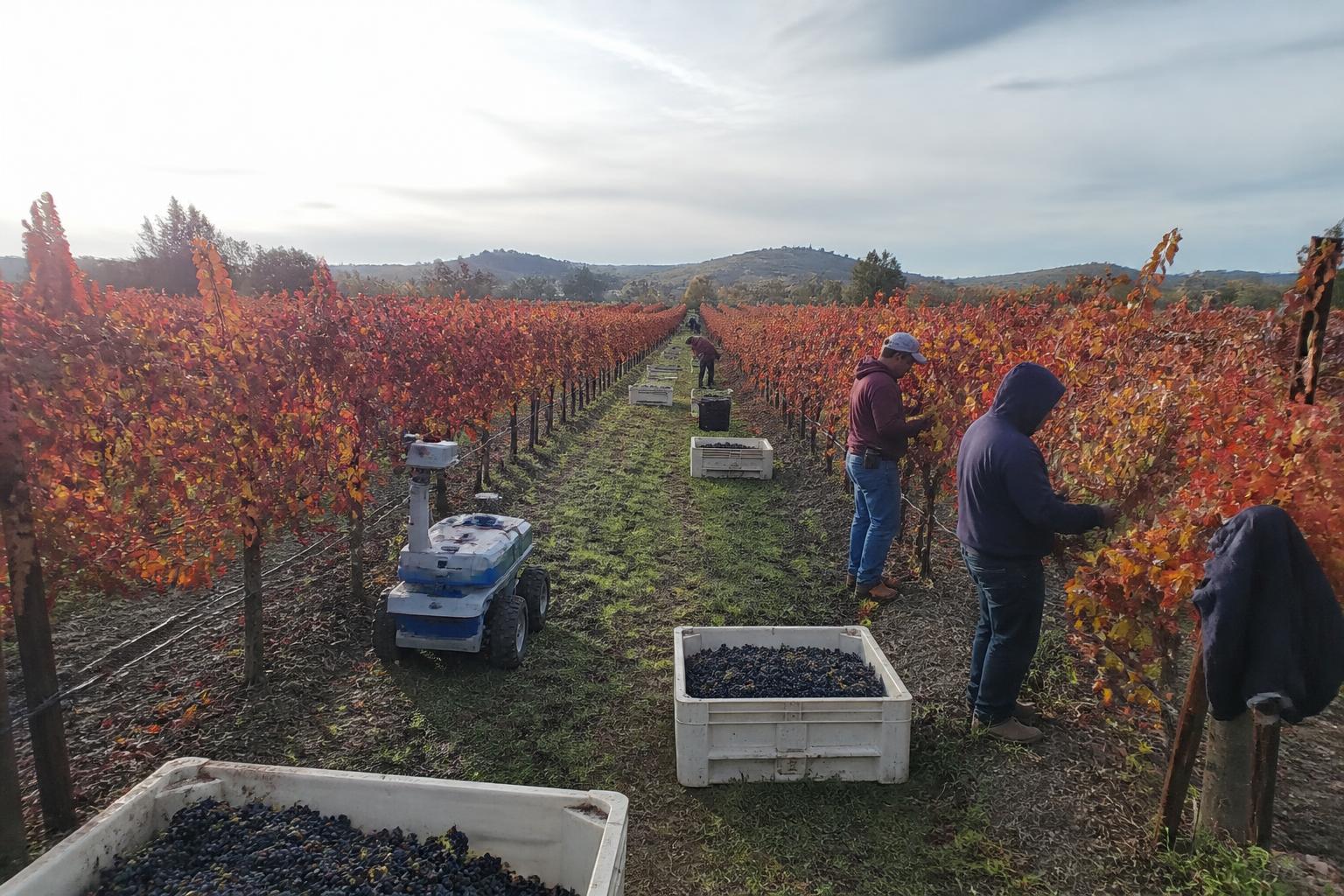
As we navigate through the fall season in California, growers are increasingly looking toward technological innovation to manage ongoing crop protection challenges. From the Central Valley to the coastal agricultural hubs, the pressure to maintain yield integrity remains a primary focus, even as logistical and regulatory complexities continue to shift.
New platforms, such as autonomous application systems, are beginning to play a more prominent role in how producers approach field maintenance. These advancements, combined with a growing interest in biological inputs, signal a broader transition in how California agribusinesses manage pest pressures. For producers, the move toward these tools often serves as a bridge between maintaining productivity and meeting sustainability goals in an increasingly scrutinized regulatory environment.
The Evolving Role of Biologicals and Tech
The landscape for crop protection is undergoing a noticeable change, with both corporate investment in biological portfolios and the adoption of on-farm robotics gaining momentum. While traditional chemistry remains a staple for many, the diversification of inputs—including algae-based products and specialized biologicals—is being explored as a method to mitigate rising input costs. These choices are often influenced by the specific needs of high-value specialty crops, where precise application is critical to both quality and legal compliance.
Navigating Regulatory and Operational Hurdles
Regulatory landscapes in California continue to present unique challenges for local operators. Recent legal developments and shifts in compliance standards have forced many growers to re-evaluate their long-term supply chain and application strategies. For farm managers and pest control advisors, the current climate demands a proactive stance. Many are prioritizing flexibility in their procurement process, ensuring that they can adjust to sudden shifts in product availability or regulatory requirements without stalling harvest or treatment cycles.
What it means for the market
The integration of autonomous tech and biologicals suggests a pivot toward higher operational efficiency for California farms. For growers and agribusiness stakeholders, success this season likely depends on the ability to balance these emerging tools with the rigorous demands of state-level oversight. As the industry looks toward the next planning cycle, those who successfully align their input strategies with both new technological capabilities and the changing regulatory framework will likely see more resilient, albeit more complex, operations.
Comments
No comments yet - be the first to share your take.