
Energy Pricing and Operational Costs
For Massachusetts producers, the intersection of energy policy and farm viability remains a primary concern as we move further into the fall season. Recent adjustments in municipal power plans have highlighted the sensitivity of agricultural budgets to utility rate fluctuations. While some localized energy initiatives continue to provide rates that undercut standard utility offerings, the upward trend in overall electricity pricing underscores the importance of efficiency in storage and climate-controlled operations.
Producers are encouraged to stay informed on navigating regulatory shifts and infrastructure risks in Massachusetts agriculture, as these factors directly impact how effectively farms can manage rising input costs during the winter months. Maintaining consistent power for greenhouse operations or grain conditioning is essential, and understanding local rate structures can provide a minor but necessary buffer against broader market volatility.
Succession and the Future of State Farms
Beyond immediate logistical concerns, the long-term sustainability of the state's agricultural sector hinges on successful generational transitions. The aging demographic of Massachusetts farmers has brought the importance of succession planning to the forefront of rural discussions. Many family operations are currently exploring how to balance traditional knowledge with modern farm management strategies to ensure continuity.
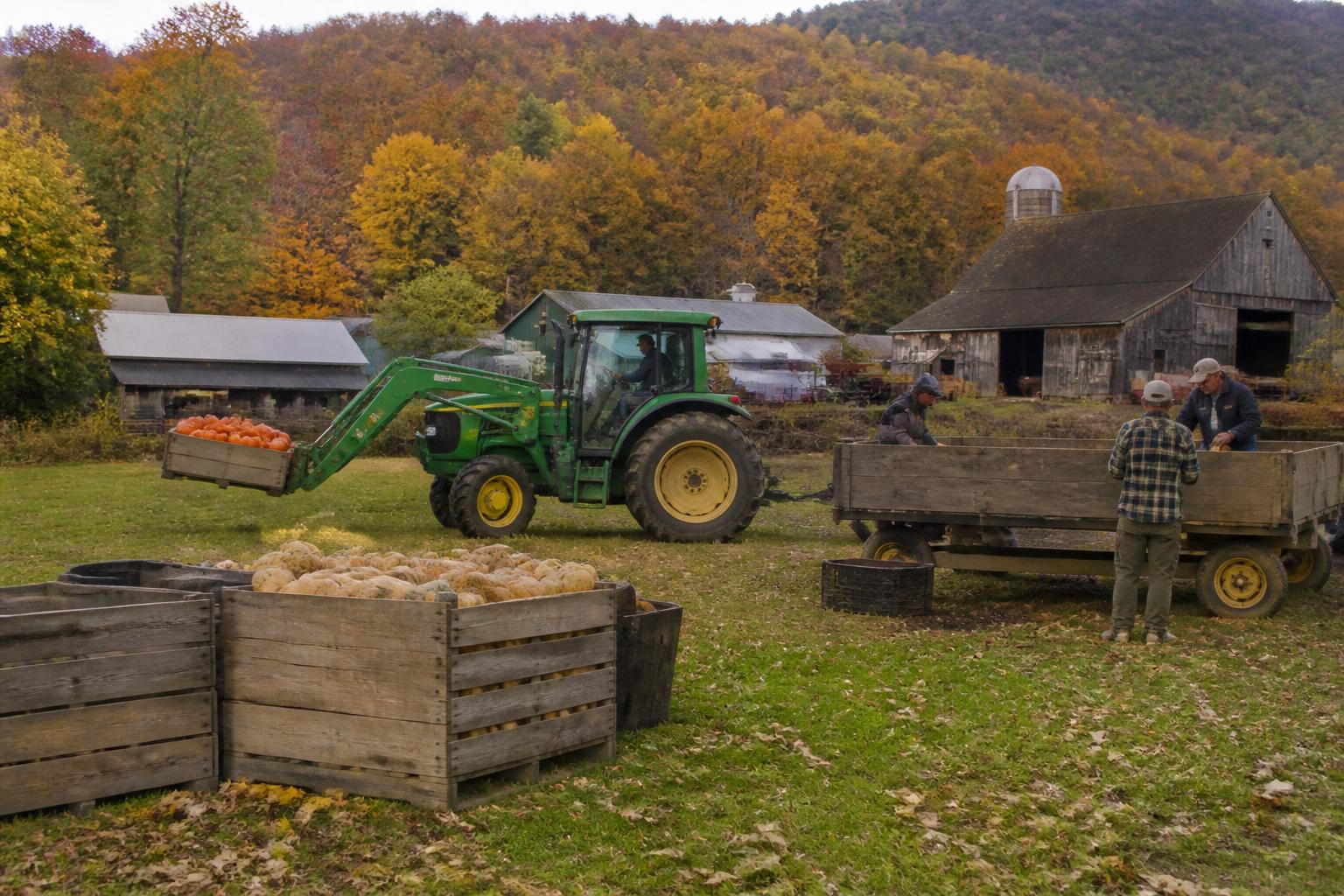
As harvest winds down, many operators find the current season an ideal time to assess their fall logistics and supply constraints in Massachusetts while engaging in long-term financial and estate planning. Adapting to these demographic shifts is not just an individual farm issue; it is a structural challenge that impacts the collective health of our regional food system. When planning for the future, leveraging data-driven efficiencies in fall operations can help preserve capital for the next generation of leadership.
What it means for the market
For Massachusetts agribusinesses, the coming months will require a dual focus: optimizing near-term energy expenditures and securing a path for leadership transition. Farms that successfully integrate energy-efficient practices and clear, multi-generational business plans will be better positioned to navigate the evolving economic landscape of the coming year.
Comments
No comments yet - be the first to share your take.