
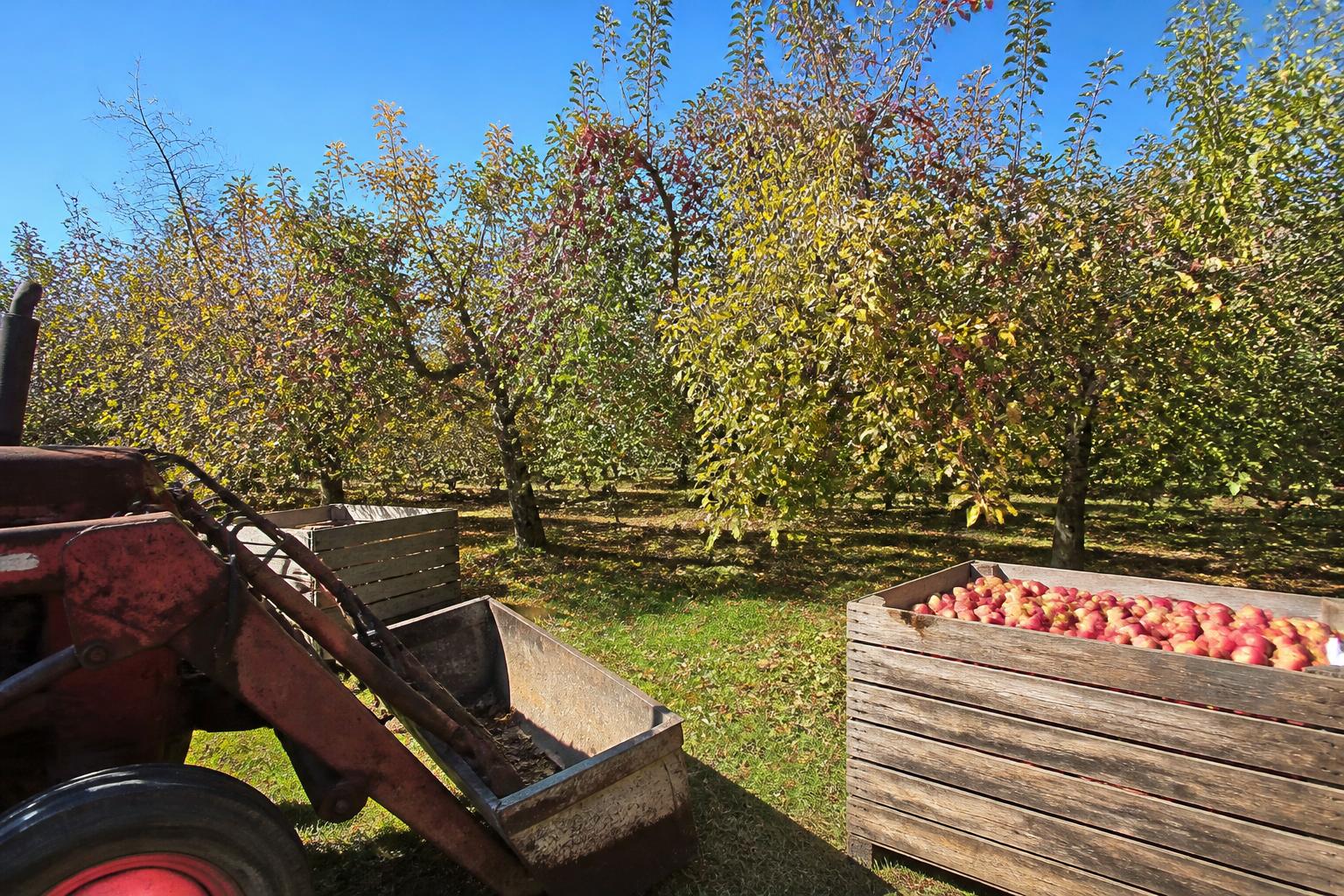
As the fall harvest season concludes across New Hampshire, agricultural operations are entering a critical phase focused on logistics and end-of-year planning. For many local producers, this time of year often necessitates a sharper focus on transit efficiency, as grain throughput and equipment movement demand careful coordination along regional corridors.
Maintaining supply chain momentum is vital for the state's diverse agricultural landscape. From managing grain storage transitions to planning for winter inputs, producers are increasingly leveraging adaptive management to mitigate common bottlenecks that can arise during late-season operations. Understanding these dynamics is essential for keeping regional logistics and regulatory challenges in check.
Optimizing Input and Throughput Efficiency
With harvest volume slowing, the conversation among agribusinesses has turned toward long-term cost reduction and sustainability. Recent collaborative discussions between local stakeholders and federal officials have highlighted new programs aimed at easing the financial burden on small farms. These initiatives are designed to help operators reinvest in their businesses, focusing on managing throughput and streamlining the movement of goods from field to market.
Furthermore, as operators look toward the next cycle, the integration of new technologies continues to redefine standard practices. Enhanced data collection and more precise crop management systems are helping many farmers across the state maximize the utility of their land. These advancements not only support daily decision-making but also play a significant role in broader efforts to maintain profitability in a shifting economic climate.
Building Resilience for the Off-Season
The transition into the colder months requires a shift in priorities, moving from high-volume movement to inventory management and preparation for the following spring. Many producers are now reviewing their supply chain resilience to ensure they remain competitive. Consistent monitoring of local market trends, combined with strategic planning for transportation needs, remains the most effective way to address the complexities of supply chain resilience and the regional outlook.
What it means for the market
For grain handlers, carriers, and input buyers in New Hampshire, the current environment emphasizes preparation. While the immediate pressure of the harvest window has begun to subside, the focus on efficient logistics will remain a priority as the state's agricultural sector moves into the winter maintenance period. Producers who proactively assess their storage needs and transportation agreements now will likely find themselves in a better position to handle the challenges of the upcoming winter months.
Comments
No comments yet - be the first to share your take.