
Adapting to the Garden State's Evolving Landscape
As New Jersey agriculture moves deeper into the fall season, producers are balancing traditional land management with emerging technology. From the fertile soils of Hunterdon County to operations across the state, farmers are increasingly looking toward innovation to maintain profitability. Whether it is through the integration of robotics or the exploration of agrivoltaics, New Jersey's agribusiness community remains focused on maximizing efficiency on smaller footprints.
Integrating Renewables and Efficiency
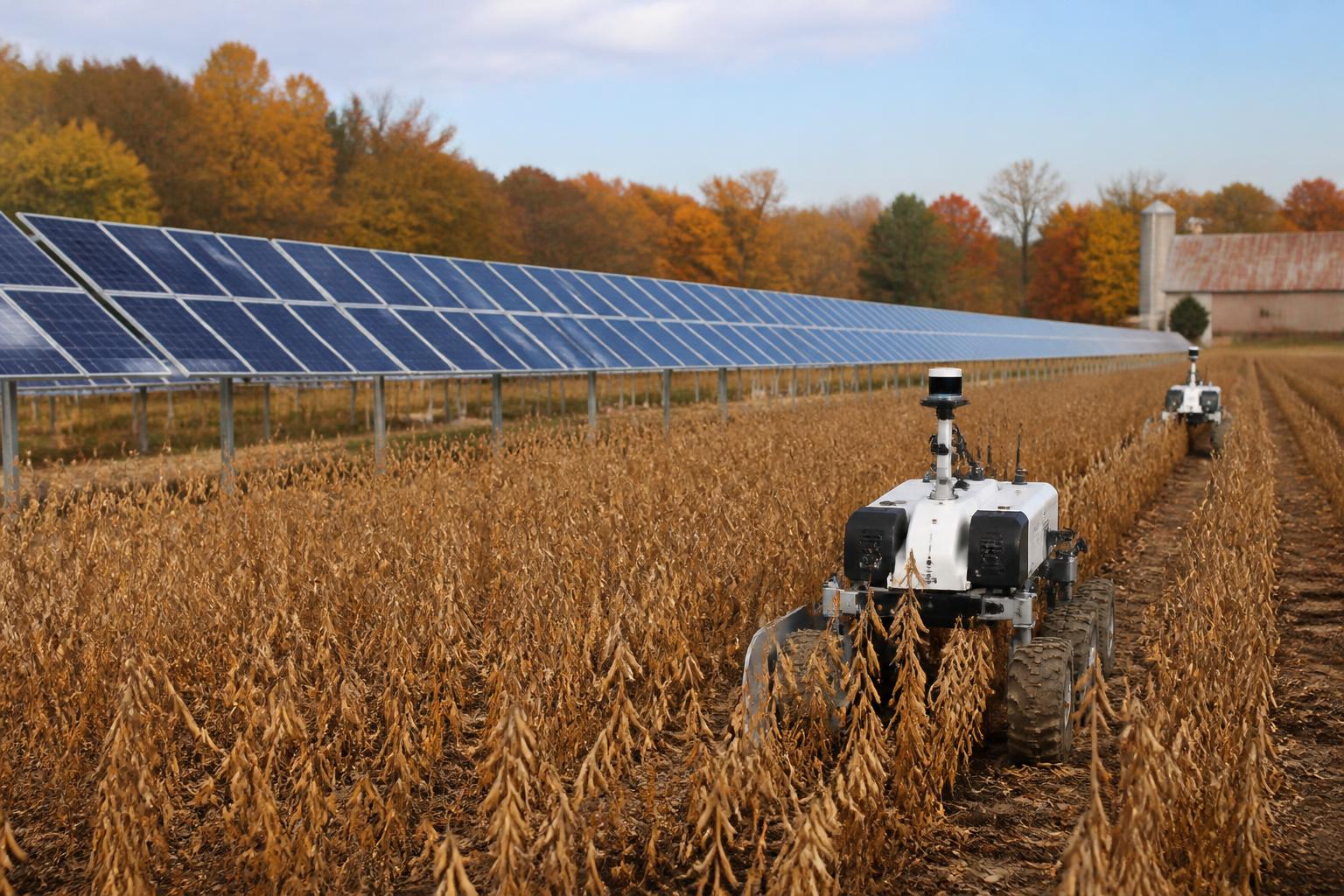
The intersection of energy and crop production is gaining traction in local fields. Recent trials have demonstrated the potential for growing soybeans beneath solar arrays, offering a glimpse into how land can serve dual purposes without significantly impacting yields. These pilot programs are critical for growers looking to diversify their income streams while keeping precious land in active production. Effective agribusines strategies are more vital than ever as farms navigate the complexities of modern, technology-heavy production systems.
Protecting the Yield Potential
Beyond technology, local producers are also contending with wildlife management. New legislative developments aimed at mitigating deer damage on farmland reflect a broader commitment to securing crop outcomes. Reducing these pressures is essential for protecting the investment that goes into every planting cycle, from seed selection to late-season harvest management. As operators navigate these administrative and environmental variables, the goal remains steady: ensuring the long-term viability of New Jersey's agricultural heritage.
What it means for the market
For grain handlers and local agribusinesses, these shifts signal a need for flexible logistics and a willingness to support high-tech, diversified farming models. As the state continues to refine its agricultural policy and embrace sustainable production methods, market participants who adapt to these specialized, high-intensity operations will likely find the most success in the coming seasons.
Comments
No comments yet - be the first to share your take.