
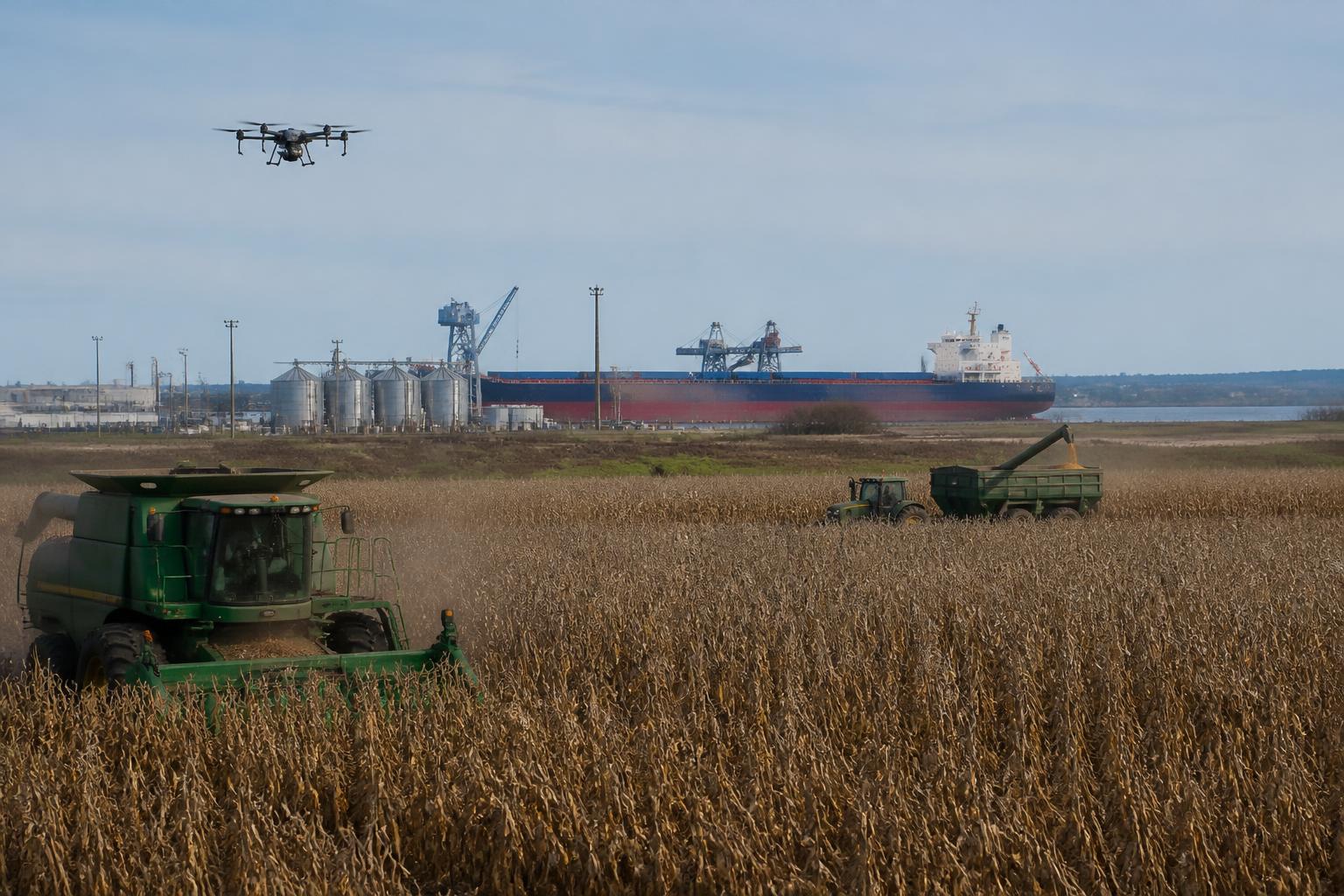
Virginia producers are navigating a period of significant logistical evolution as regional grain exports hit multi-decade highs. Recent data indicating that Norfolk corn exports have reached a four-decade peak for the 2025/26 market year underscores the critical role of coastal infrastructure in moving state output to global markets. For local elevators and grain handlers, this surge highlights the increasing importance of optimizing logistics and supply chain resilience to keep pace with heightened port demand.
As throughput volumes grow, the industry is seeing greater recognition for large-scale logistics partners. For instance, the recognition of key shippers at the Port of Virginia signals a broader trend where efficient rail and road integration into port facilities is becoming a primary competitive advantage. As you look at managing seasonal volatility during the fall harvest, producers may find that aligning their transportation strategies with these record-level export flows can offer better positioning in a busy market.
Technology Integration in Virginia Fields
Beyond the logistical hubs at the coast, on-farm productivity is undergoing its own transformation. Virginia farmers are increasingly testing the utility of new technologies, ranging from specialized hexacopters designed for pest and crop health monitoring to the adoption of indoor growing methods. These innovations are not just for large-scale operations; growers managing smaller acreage are finding that precise, data-driven approaches help maintain viability in a changing climate.
While traditional field production remains the backbone of the state, the interest in controlled-environment agriculture reflects a move toward consistent, year-round production cycles. Whether navigating new land ownership patterns or exploring monitoring land ownership trends and market data in Virginia agriculture, producers are balancing traditional methods with a push toward higher efficiency.
What it means for the market
For those involved in the supply chain, the record export activity at the Port of Virginia suggests that infrastructure bottlenecks remain a key point of observation. Expect continued pressure on regional trucking and storage capacity as the state maintains this high export trajectory. Agribusinesses should prepare for tighter logistics windows and consider how regional innovations in precision ag might offer relief by improving yield consistency and harvest timing planning.
Comments
No comments yet - be the first to share your take.