
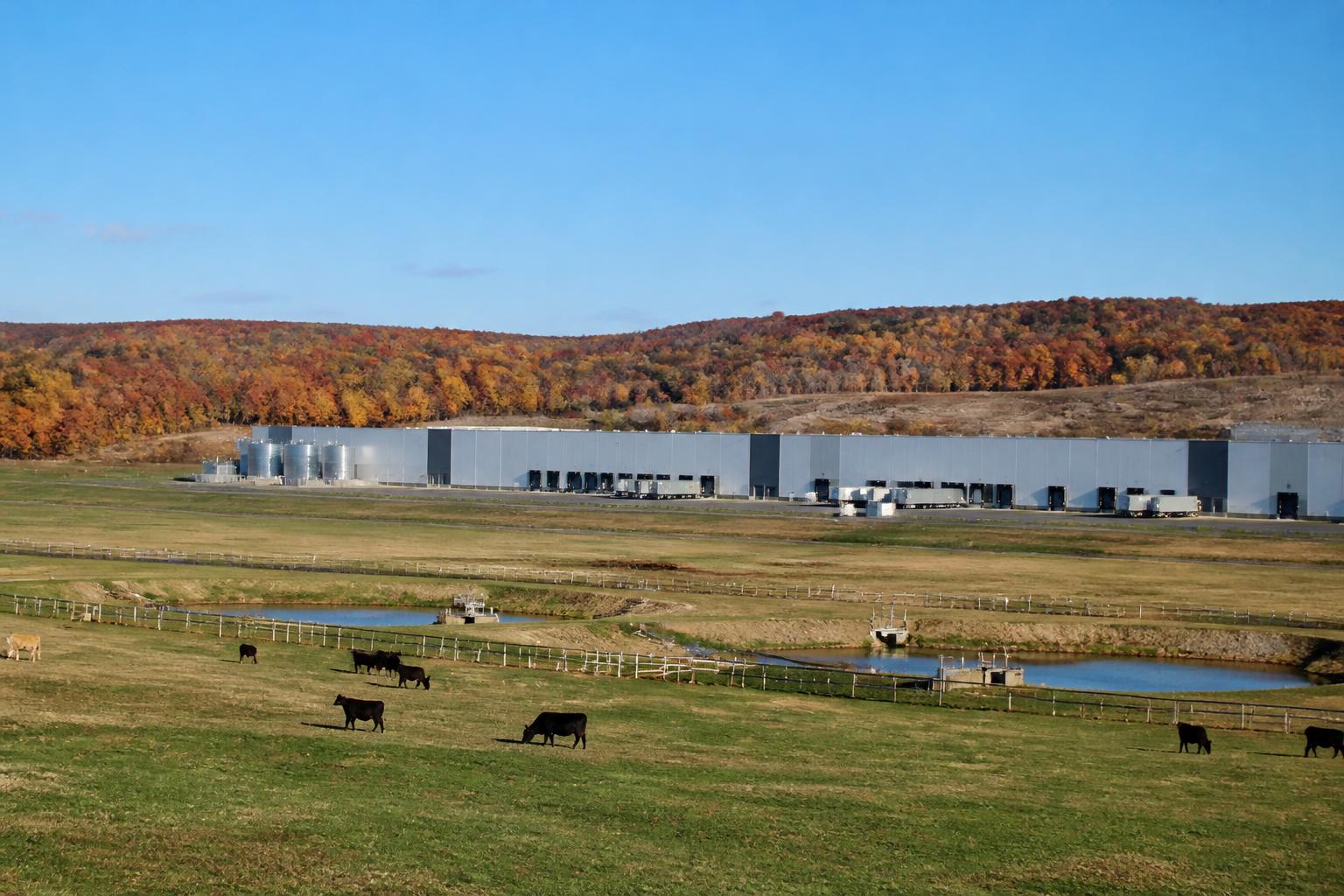
Rising Input Costs Impact Colorado Producers
As Colorado farmers move into the fall season, the market for essential crop inputs faces a familiar, yet intensified, challenge. Recent geopolitical developments, particularly concerns stemming from the Iran conflict, have begun to ripple through the agricultural supply chain. These global tensions are contributing to increased volatility and upward pressure on fertilizer prices, placing additional financial strain on local producers who were already working to navigate tight margins.
While farmers often look for opportunities to hedge against price spikes during the offseason, the current uncertainty makes forward-buying decisions more complex. Many agribusinesses across the Eastern Plains and the Western Slope are closely monitoring inventory levels, as supply chain disruptions can quickly translate into localized shortages and higher logistics costs.
Adapting Logistics and Storage Strategies
For many operations, the focus has shifted toward maximizing efficiency in existing storage infrastructure. As the industry evolves, there is a growing need for improved on-farm or regional storage capacity to buffer against unpredictable price swings. Managing these assets effectively remains a critical component for those looking to navigate fertilizer supply and logistic constraints that currently challenge the sector.
Furthermore, as producers manage their soil health and plan for the next cycle, the integration of advanced water management systems has become more prevalent. With some reports indicating significant gains in water-use efficiency per acre, producers are finding that managing input costs is increasingly tied to overall resource management, rather than focusing on fertilizer alone.
What it means for the market
The convergence of geopolitical uncertainty and regional logistical costs suggests that Colorado growers should prioritize flexibility in their procurement plans. Building strong relationships with local elevators and suppliers will be essential as the market remains sensitive to external shocks. As the season progresses, monitoring global energy markets and regional delivery schedules will provide the best indicators for when to lock in necessary inputs for the upcoming planting window.
Comments
No comments yet - be the first to share your take.