
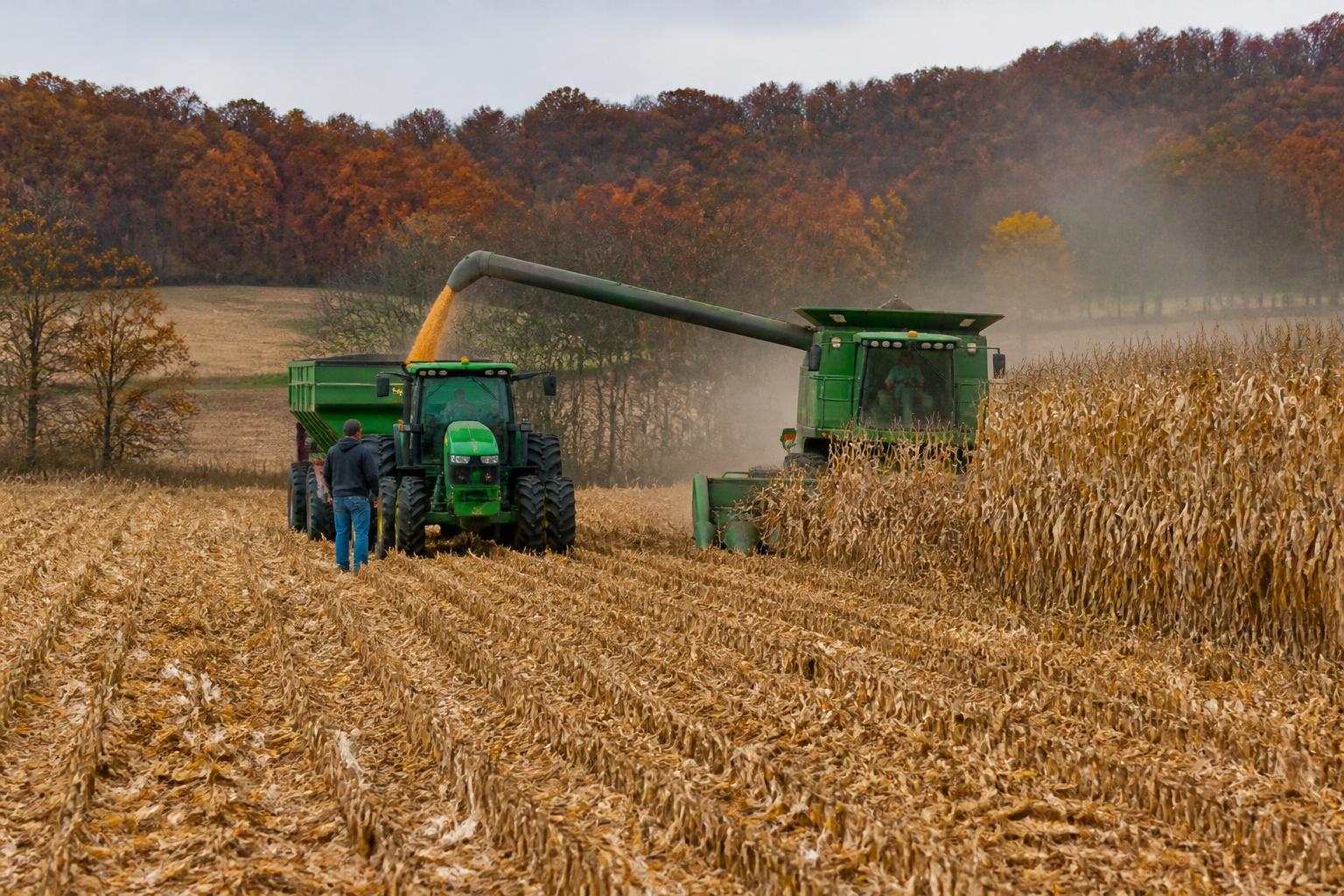
With the 2026 harvest wrapping up across many parts of Ohio, the focus is quickly shifting from field logistics to forward planning for the next crop cycle. For producers, this transition period is often defined by a careful assessment of input costs, particularly regarding fertilizer applications and supply chain availability. As growers look toward the coming months, there is a renewed emphasis on transparency and efficiency in how fertility programs are managed.
Agricultural sectors remain attentive to the broader landscape of competition within the fertilizer industry. In recent reports, advocacy groups have continued to push for deeper investigations into market concentration, as corn growers express concerns that elevated input costs may continue to challenge bottom-line margins. In some parts of the state, these economic pressures are compounded by shifting land-use patterns, with recent community discussions highlighting the need to protect arable acreage from competing commercial developments.
Input Economics and Strategic Planning
As farmers finalize their operational summaries for the year, evaluating the return on investment for fertilizer applications is essential for the next season. Managing input volatility requires a proactive approach, especially as the industry navigates a period where supply chain reliability remains a priority. Many producers are utilizing this time to assess their soil test data and coordinate with local suppliers to secure necessary volumes ahead of the busy spring window.
Furthermore, local agronomists note that the integration of precise nutrient management can often provide a buffer against market fluctuations. By focusing on site-specific application strategies, farmers may mitigate some of the risks associated with high input prices while maintaining necessary yield potentials. This approach is increasingly relevant as regional stakeholders examine the interplay between harvest logistics and long-term soil health management.
Land Stewardship and Future Outlook
The conversation around agricultural land in Ohio continues to evolve as rural communities prioritize the preservation of productive farmland. The protection of these resources is viewed by many as a foundational element of the state's long-term food security strategy. As operations consider expansion or succession planning, the stability of the local land base remains a key factor in determining how regional agribusinesses function. For more insights on the season's conclusion and current trends, producers are encouraged to monitor the latest developments in harvest pacing and regional crop economics.
What it means for the market
For Ohio farmers and agribusinesses, the current environment necessitates a dual focus: securing essential inputs through early-season dialogue with suppliers and monitoring regulatory discussions that could influence the competitive landscape of the fertilizer market. As the industry moves into the winter maintenance and planning phase, those who prioritize cost-efficiency and data-driven nutrient application are better positioned to navigate the economic uncertainties of the upcoming year.
Comments
No comments yet - be the first to share your take.