
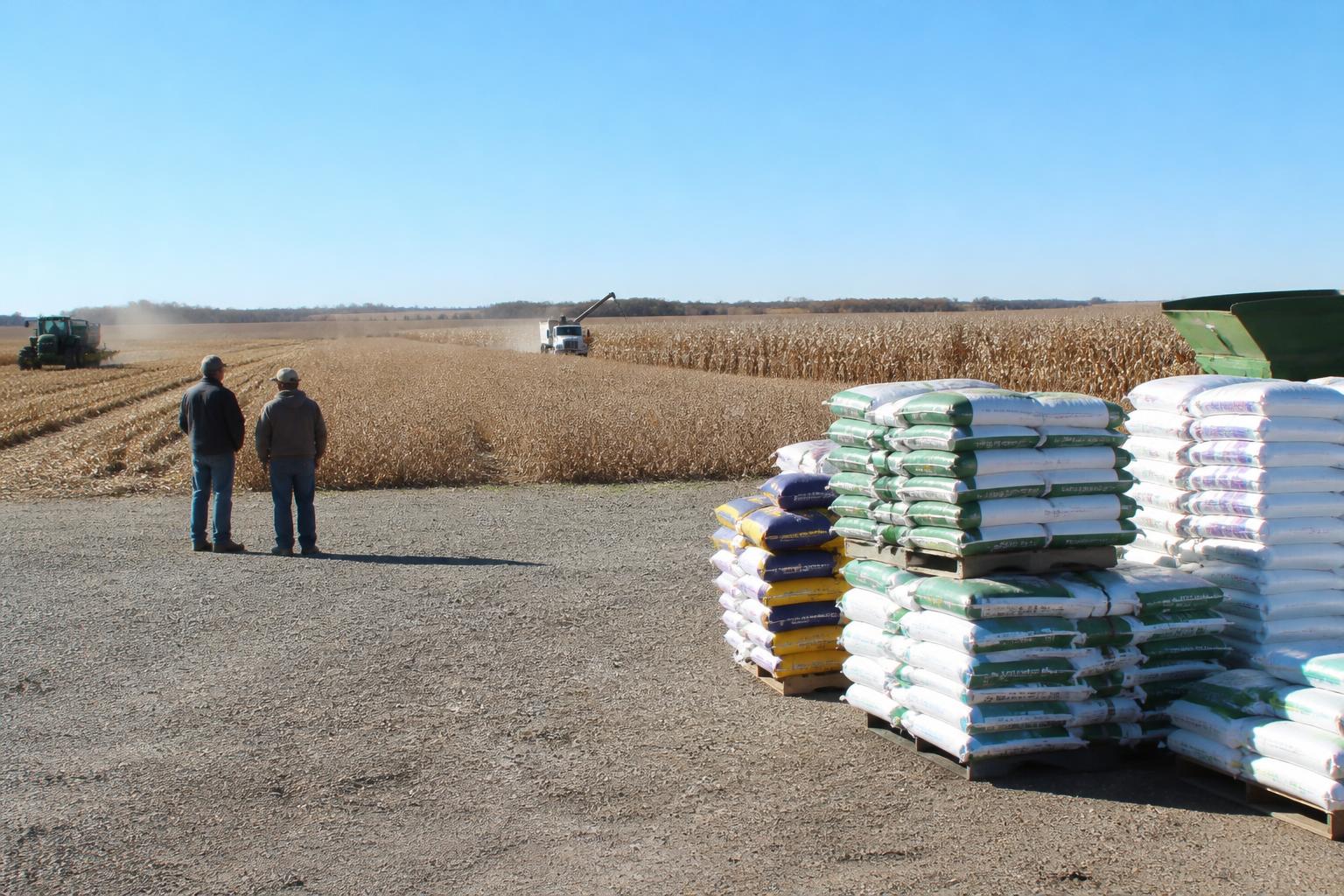
As producers shift their focus toward the next crop year, fertilizer price volatility remains a dominant concern. Current market data suggests that phosphorus products, including DAP and MAP, continue to hover at historically elevated levels, trending higher than their spring benchmarks. For many growers, these sustained costs are becoming a central factor in acreage planning for 2027, with decisions regarding corn and soybean rotations increasingly tethered to input budget constraints.
Navigating Logistics and Regulatory Shifts
Beyond the sticker price, the mechanics of how these inputs reach the farm gate are facing new scrutiny. Recent discussions regarding the Jones Act have highlighted how domestic fertilizer infrastructure and supply chain fluidity are impacted by maritime policy. When waivers or adjustments to these federal regulations occur, they can temporarily alter the cost and availability of moving essential nutrients between U.S. ports, a critical factor for regions dependent on waterway logistics.
Furthermore, global trade dynamics continue to influence domestic strategy. Proposed international trade adjustments regarding potash suggest that supply chains remain fragile. As regional fertilizer strategies evolve, agricultural businesses must weigh these external logistical realities against local delivery capacities. The interplay between international supply constraints and domestic transport laws creates a complex environment for cooperatives and independent retailers looking to secure inventory ahead of the spring push.
What it means for the market
Farmers should expect continued price pressure as these logistical and supply-side variables converge. With input costs remaining elevated, early procurement and a strategic look at nutrient management plans are becoming standard practice for mitigating financial risk. Agribusinesses should prepare for a potentially tighter supply window, as both infrastructure hurdles and global trade signals suggest that volatility will remain a persistent theme as the sector prepares for the 2027 season.
Comments
No comments yet - be the first to share your take.