
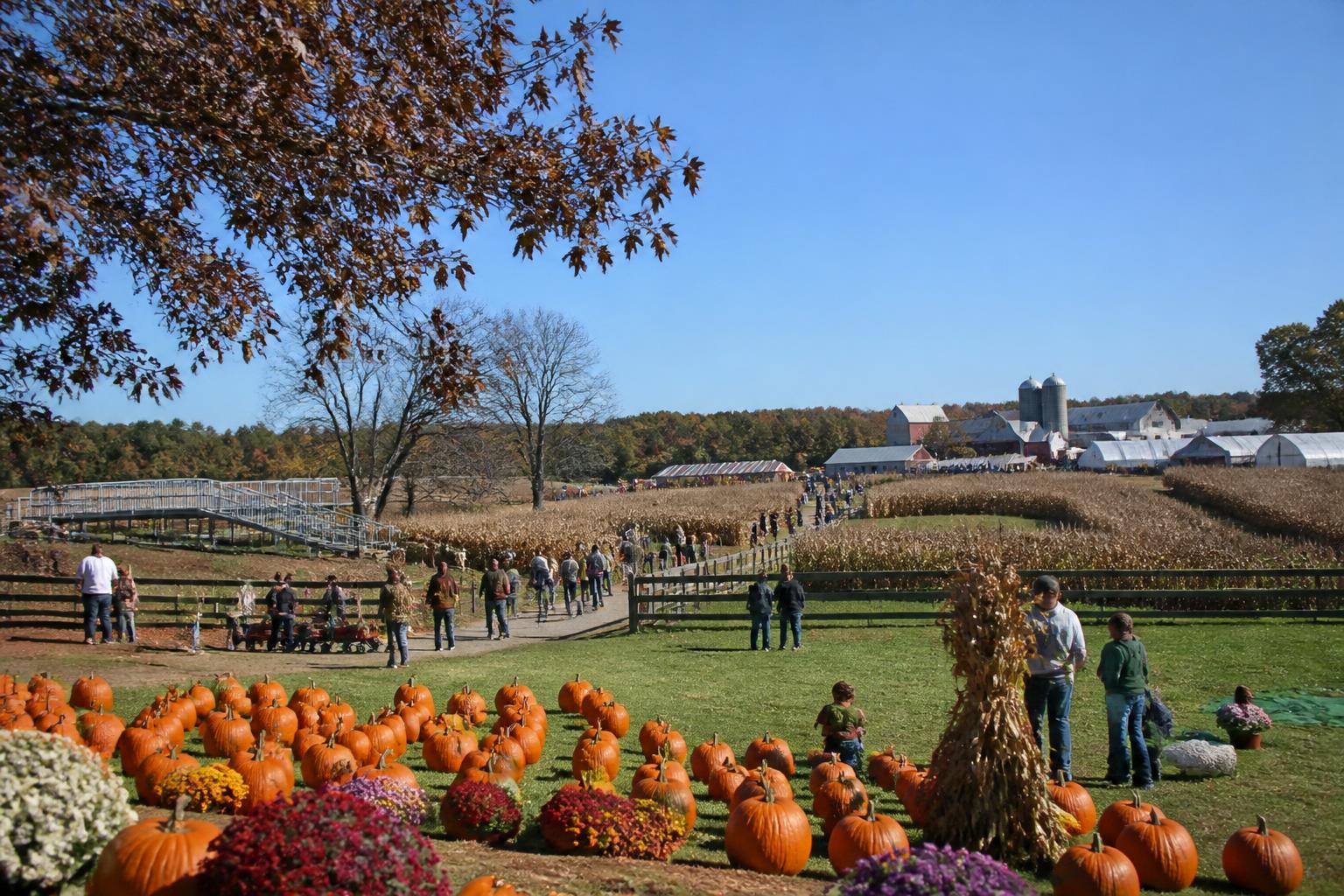
With the harvest season winding down across the First State, producers are transitioning their focus from field operations to critical planning for the upcoming cycle. As the fall chill sets in, managing residual pest pressures remains a priority for those looking to maintain field health, while simultaneously evaluating the economic tools available to mitigate next year's risks.
Navigating Evolving Protection Strategies
Integrated pest management remains a cornerstone for Delaware growers, especially when dealing with persistent threats like the corn earworm in late-season sweet corn crops. Maintaining consistent scouting and localized University of Delaware guidance is essential as environmental conditions shift. For many, this is also the time to review the effectiveness of current protection protocols before winter dormancy sets in, ensuring that any lessons learned in the field are applied to future variety selection and input strategies.
Risk Management and Economic Buffers
Beyond biological protection, Delaware farmers are increasingly looking toward financial safeguards to manage the volatility often associated with agricultural production. As global supply chain issues and fluctuating input costs persist, there is a growing trend of utilizing crop insurance as a hedge against unpredictable weather and market instability. This approach provides a necessary layer of security, allowing operators to focus on long-term productivity rather than short-term market shocks.
Preparing for the Winter Planning Window
As machinery moves into sheds and fields settle, the focus shifts to educational and planning events. Delaware Agriculture Week, scheduled for early January, serves as a vital platform for growers to refine their strategies, from nutrient management to updated pest control technologies. Engaging with these resources early can help producers optimize their budgets and prepare for the unique challenges of the next growing season.
What it means for the market: For Delaware agribusinesses and producers, the current environment demands a proactive stance. By leveraging regional expertise and prioritizing risk management, operators can better position themselves against both immediate environmental pressures and broader market uncertainties in the months ahead.
Comments
No comments yet - be the first to share your take.