
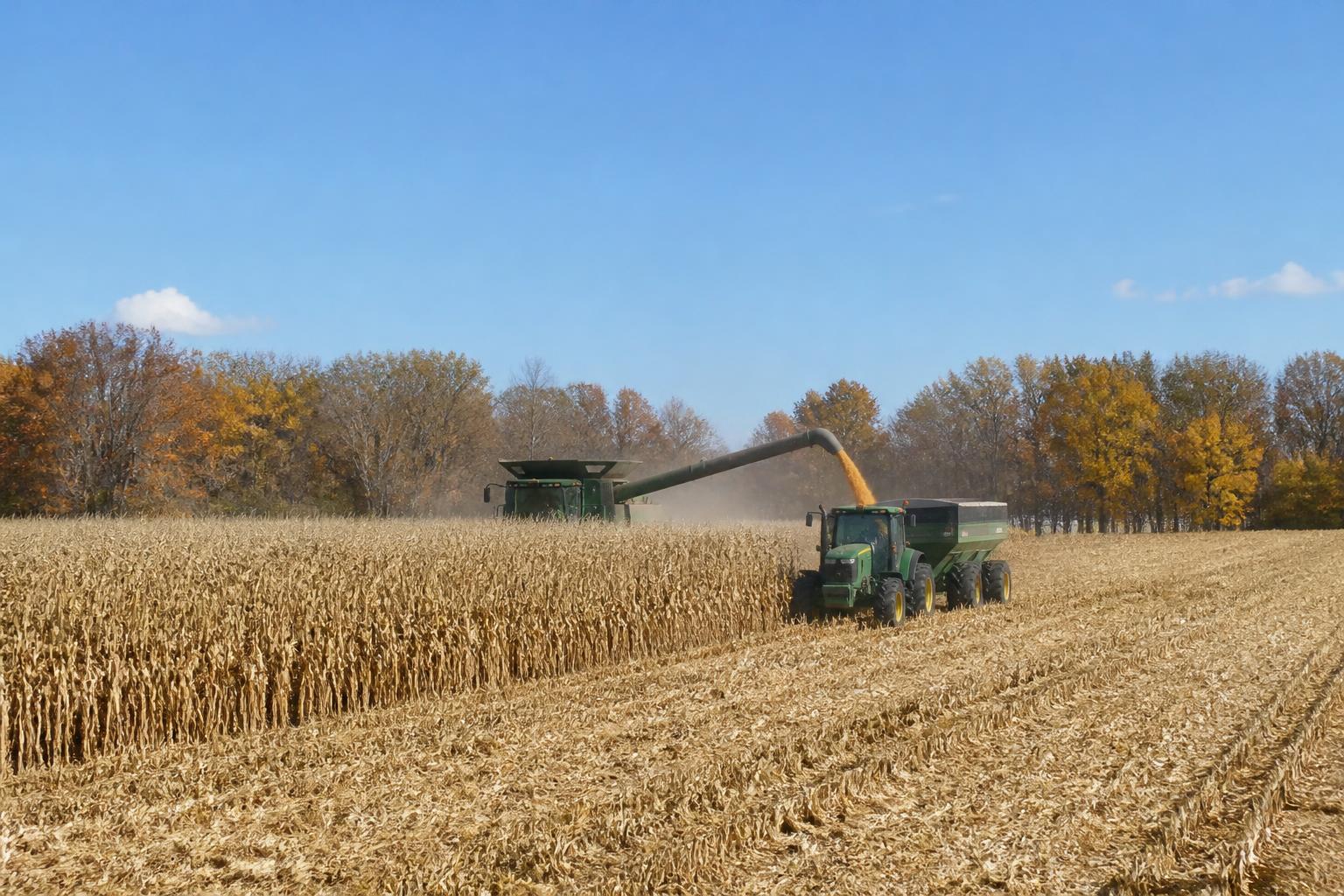
As the fall season progresses in Delaware, producers are navigating a complex landscape defined by shifting regulatory requirements and the continued need for proactive crop protection. For many operations, the current priority is balancing post-harvest logistics with the necessity of preparing land for upcoming cycles. Maintaining compliance and protecting local resources remain essential, as seen in ongoing efforts to align crop management with evolving policy and environmental standards.
A notable development for growers, particularly those in central regions, is the expansion of the spotted lanternfly quarantine to include Kent County. This regulatory change requires agricultural managers to stay vigilant regarding movement of equipment and materials that could harbor pests. Staying informed on these regional quarantine updates is vital for seamless transport and avoiding operational delays during the busy harvest months.
Managing Resource Inputs and Sustainability
Beyond regulatory compliance, Delaware producers are monitoring broader market trends in the input sector. Global volatility in fertilizer demand and the evolving cost structures for essential farm supplies have led many agribusinesses to take a more disciplined approach to budget management and resource allocation. While the equipment cycle continues to draw industry attention, localized focus remains on how to sustain high-yield potential through careful nutrient management and conservation practices that protect Delaware’s waterways.
What it means for the market
For Delaware farmers and service providers, the immediate outlook requires a focus on adaptability. The combination of mandatory pest-related quarantine measures and the broader need for sustainable resource management means that record-keeping and logistical planning are more critical than ever. Operators who proactively address quarantine protocols and optimize their input strategies will likely be better positioned to navigate the current market environment while maintaining their commitment to local land stewardship.
Comments
No comments yet - be the first to share your take.