
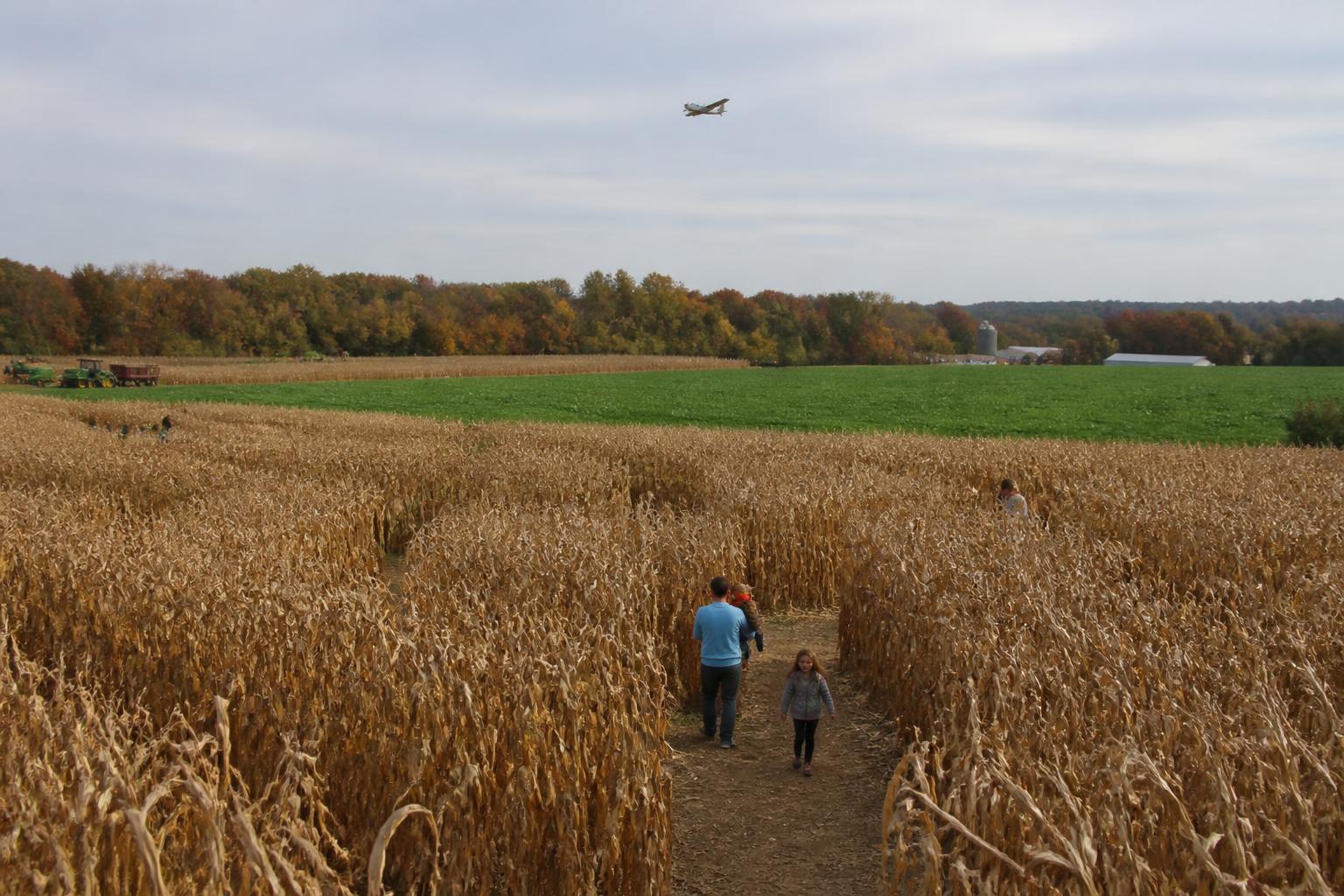
With the calendar turning into November, Maryland producers are deep in the final push of the fall season. For many operations, this period is characterized by a balance between finalizing harvest logistics and preparing the land for the upcoming dormant months. As fieldwork continues, rural roadways and transit corridors are seeing a seasonal uptick in activity, necessitating careful coordination among growers, grain elevators, and transport carriers.
The current operational climate across Maryland requires a sharp focus on logistics efficiency. From managing grain movement to navigating routine weight restrictions on local rural routes, maintaining a steady flow remains essential. Optimizing your transport strategy at this stage can help mitigate the pressures often associated with seasonal grain handling and storage space allocation.
Aerial Activity and Field Management
In addition to standard harvest operations, local agricultural activity has seen a notable increase in aerial presence. The Maryland Department of Agriculture has advised residents and those working in rural areas to remain aware of low-flying aircraft performing cover crop seeding. This practice, often utilized to enhance soil health and prevent erosion, reflects a broader commitment to sustainable land management that defines much of the state's agricultural approach.
Logistics and Market Readiness
For agribusinesses and transport operators, clear communication remains the best tool to manage the potential for regional bottlenecks. As harvest activity winds down, the focus often shifts toward securing storage and ensuring that downstream supply chains are prepared for the final inbound volumes. Regional hubs continue to facilitate these transitions, though producers should remain mindful of shifting local transit patterns as the season wanes.
What it means for the market
The late-season market environment in Maryland is largely defined by logistical discipline. As field activities transition from active harvesting to land management, producers who effectively manage their storage and transport windows stand to gain the most stability. Prioritizing efficient movement and staying informed of local infrastructure updates will remain critical as the sector moves toward the end of the year.
Comments
No comments yet - be the first to share your take.