
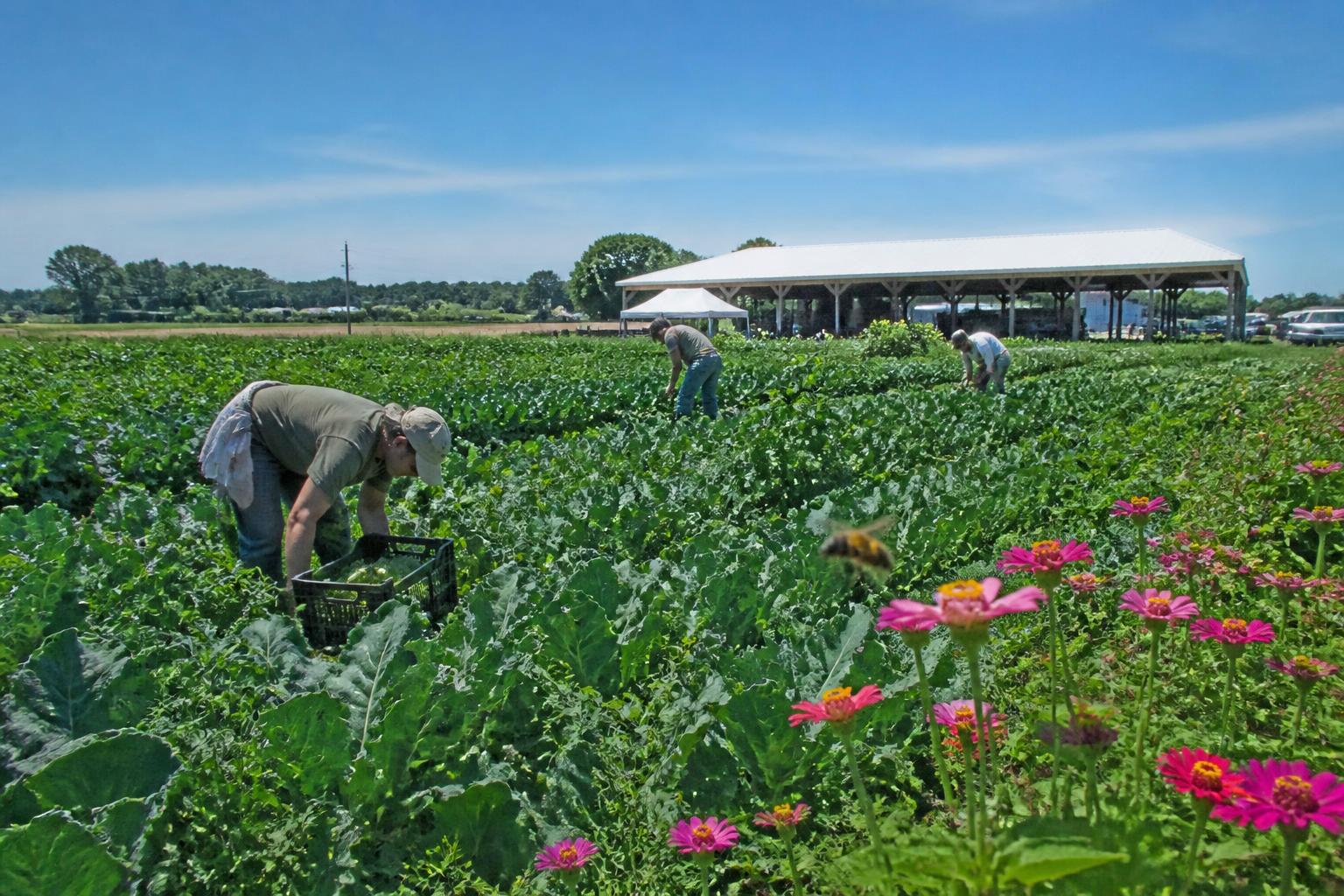
As summer peaks across New York, agricultural producers from the Niagara Frontier to the eastern tip of Long Island are facing a complex array of crop protection challenges. Managing weeds and insect pests during the high-growth summer months requires a delicate balance between chemical efficacy, environmental stewardship, and shifting regulatory frameworks. Local operations are adjusting their field strategies to meet both regional ecological demands and national policy updates.
Adding to the pressure are broader economic shifts. High food prices are currently reshaping the traditional farm-to-table economics of Long Island and other coastal markets, forcing growers to maximize marketable yields while controlling operational overhead. Under these conditions, adopting precise and legally compliant crop protection measures is no longer just about yield preservation; it is a critical component of financial survival.
The Native Pollinator Crisis and Habitat Protection
A major focus of environmental concern this season stems from a recent conservation survey conducted by Cornell University, which revealed that native New York State pollinators are facing significant survival risks. Because wild bees and other native insects play an indispensable role in pollinating New York fruit, vegetable, and forage crops, their decline poses a direct threat to long-term biodiversity and agricultural productivity.
In response, many state growers are transitioning toward integrated pest management (IPM) techniques that minimize non-target exposure. This includes adjusting the timing of insecticide applications to hours when pollinators are inactive, establishing pollinator-friendly buffer zones, and choosing targeted biological controls over broad-spectrum chemicals. By taking these steps, producers hope to stave off stricter, state-mandated pesticide bans while preserving the natural ecosystems that support their crops.
The Glyphosate Debate and Chemical Alternatives
The chemical tools available to New York farmers remain under intense public and regulatory scrutiny. The ongoing national debate regarding glyphosate - with advocacy groups questioning whether spraying the popular herbicide is truly safe for soils and human health - continues to influence retail availability and public perception. For grain handlers and vegetable growers alike, relying solely on single-molecule weed control is becoming increasingly risky.
To mitigate these risks, crop advisors are recommending diversified weed control programs. Incorporating cover crops, mechanical cultivation, and alternative chemistry rotations can help suppress tough summer weeds without relying excessively on controversial active ingredients. Implementing these diversified strategies is essential, especially when integrating proactive crop protection strategies in summer 2026 to handle both pest pressures and input cost volatility. Navigating these regional agronomic choices is also closely tied to balancing upstate agricultural production with state climate targets, which heavily prioritize soil health and emissions reduction.
National Security, Subsidies, and Specialty Crop Dynamics
Beyond local chemical applications, federal policies are introducing new layers of administrative and financial complexity. The Trump administration's launch of the National Farm Security Action Plan, designed to ban farmland purchases by foreign adversaries and halt potentially risky foreign agricultural research, highlights a growing focus on protecting domestic food supply chains. At the same time, updates to federal tax legislation have expanded certain farm subsidies, though regional analysts warn that these benefits may not be distributed evenly across all farm sizes or specialty crop sectors.
This uneven support is keenly felt in New York's emerging agricultural sectors, such as the state's licensed cannabis growers. Cultivators in the legal cannabis space continue to highlight a unique mix of agronomic benefits and regulatory barriers, particularly regarding crop protection. Because federal restrictions limit the registered crop protection products available for cannabis, these growers must rely almost entirely on organic and cultural management practices, serving as a real-time testing ground for chemical-free farming on a commercial scale.
Key Takeaways for New York Growers
- Protect Pollinators: Utilize targeted, low-impact pesticide applications to help conserve native New York pollinator species identified as at-risk in recent ecological surveys.
- Diversify Weed Control: Reduce reliance on glyphosate by rotating alternative herbicides and integrating non-chemical weed management techniques.
- Monitor Federal Updates: Track how the National Farm Security Action Plan and shifting subsidy models impact regional land security and local input financing.
- Leverage Biologicals: Look to specialty sectors like organic vegetable and cannabis production for successful frameworks in low-chemical pest management.
What it means for the market
For the New York agricultural market, protection is no longer just a field-level agronomic task; it is a complex intersection of environmental stewardship, legal compliance, and brand reputation. As public concern over chemical inputs grows alongside strict ecological preservation targets, growers who proactively adopt pollinator-safe practices and diversified weed management will be best positioned to access premium local supply chains. While navigating these overlapping state and federal regulations requires extra administrative effort, safeguarding New York's natural resources remains the most reliable path to securing long-term regional production and consumer trust.
Comments
No comments yet - be the first to share your take.