
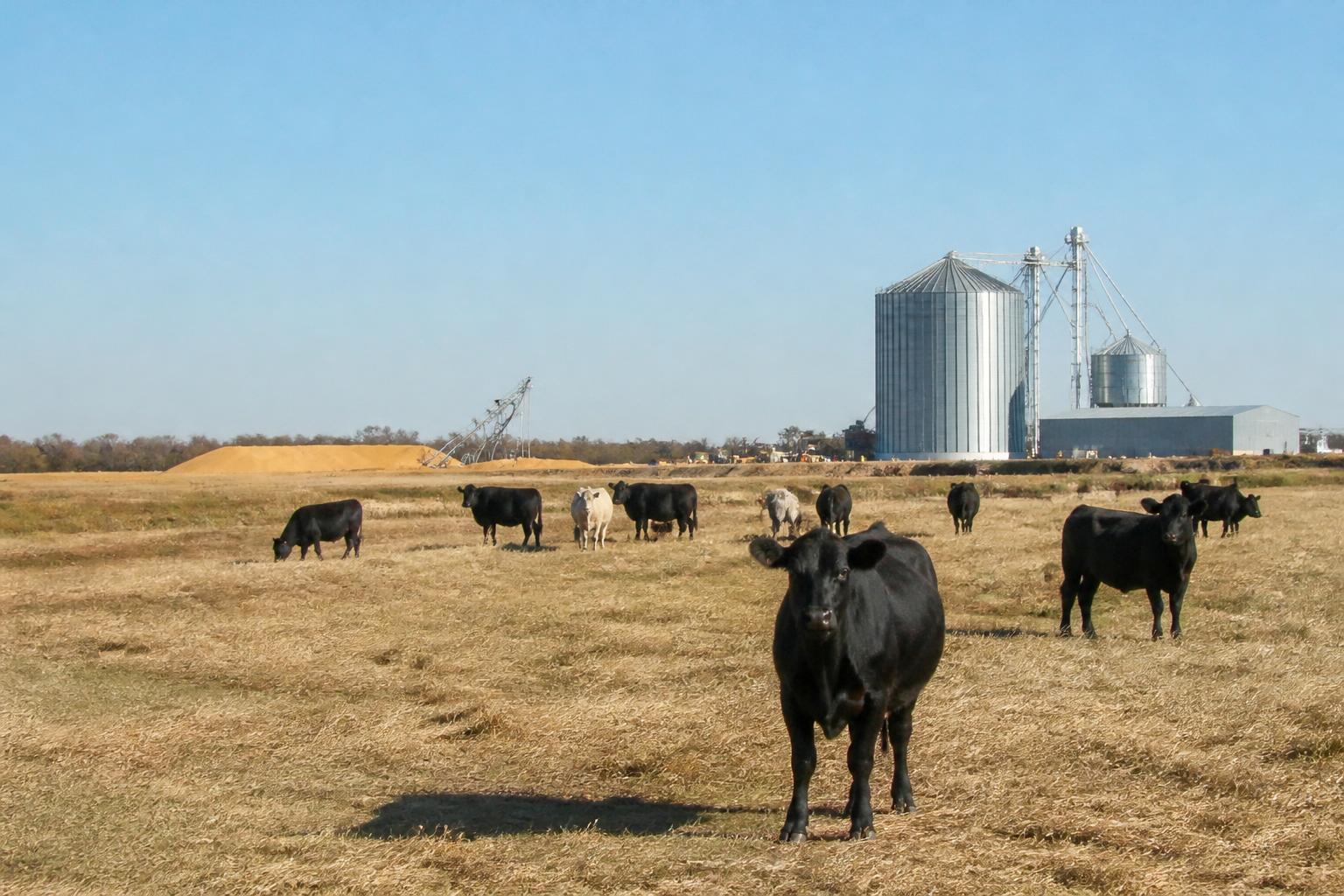
The Texas grain landscape is undergoing a period of infrastructural evolution, marked by the recent completion of new shuttle train receiving facilities. These projects are intended to enhance the capacity for moving agricultural commodities across the state, potentially easing the bottlenecks often experienced during peak harvest windows. As producers and handlers focus on throughput, these developments reflect a broader trend in the region toward modernization and increased logistics resilience.
Amid these facility upgrades, market participants remain attentive to the broader economic environment. Understanding how harvest activity interacts with existing transportation networks remains critical for farmers looking to manage their basis and storage decisions. The ability to efficiently move product remains a focal point for elevators and agribusinesses operating within the state's corridors, especially as they balance immediate movement needs with long-term capital investments.
Managing Seasonal Pressures
As the state moves through the final stages of the fall season, the focus shifts toward inventory management and regional market stability. While infrastructure improvements can offer long-term efficiency gains, the immediate priority for many remains navigating the variability inherent in local and regional supply chains. In some areas, producers may observe that local bid structures remain sensitive to regional availability and the pace of delivery to key transit points.
Input and External Factors
Beyond logistics, the broader agricultural conversation in Texas continues to touch on input costs and the potential impact of environmental stressors on crop performance. Maintaining profitability in such a cycle often requires careful monitoring of regional market conditions. Observers note that while the focus is heavily weighted toward crop movement during the fall, ongoing discussions regarding food affordability and technical infrastructure also highlight the multifaceted nature of the state's agricultural economy.
What it means for the market
For producers and grain handlers, the integration of new high-capacity rail infrastructure represents a potential reduction in long-term transit risks. However, participants should continue to align their operational strategies with the current pace of local harvest movement and regional basis trends. As the state navigates these changes, staying informed on localized logistics shifts will be a key differentiator in managing seasonal grain risk.
Comments
No comments yet - be the first to share your take.