
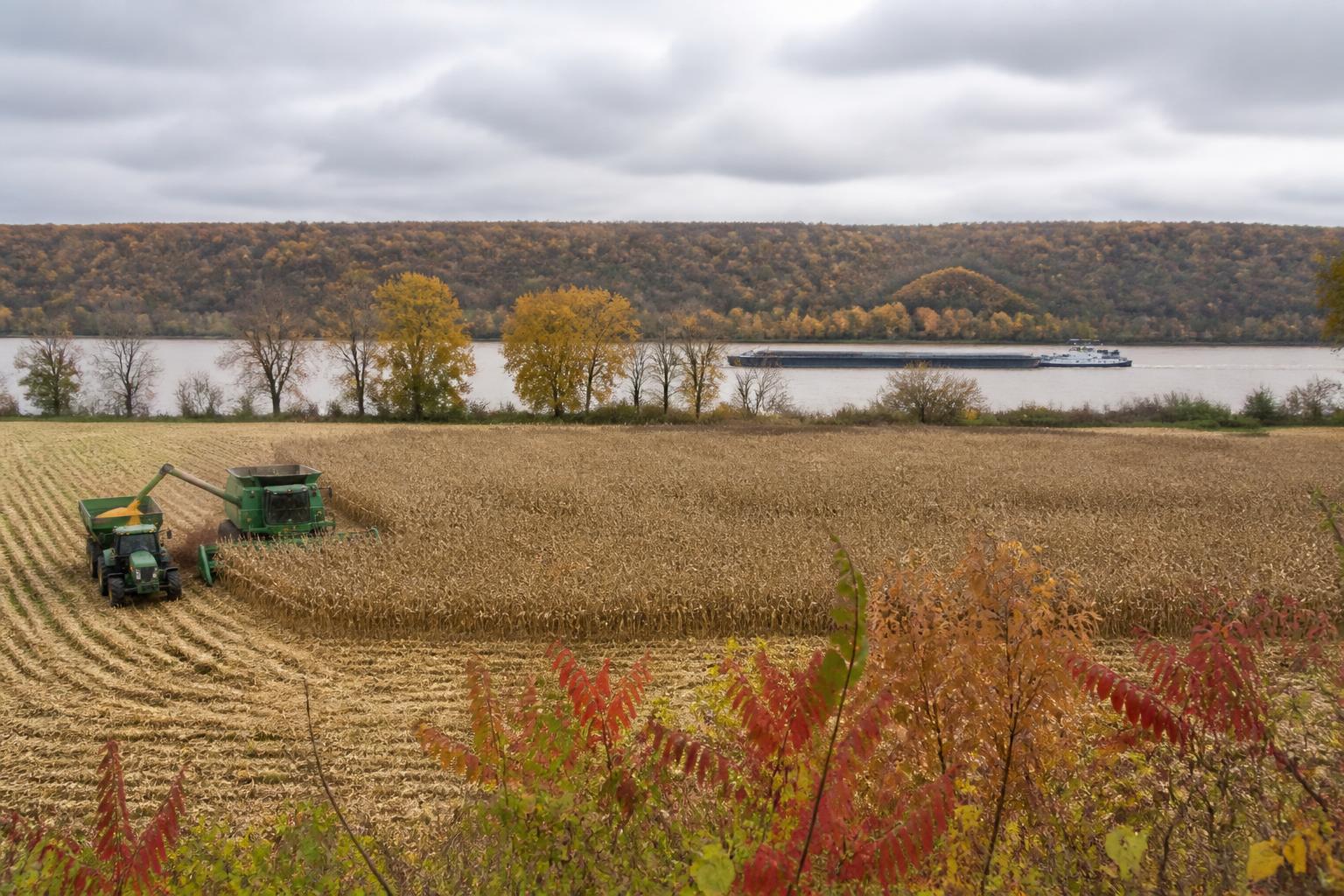
November brings a welcome shift in the logistical landscape for Mississippi agriculture. With recent reports indicating that river transportation for barges has reopened along the Mississippi River, the primary artery for moving grain and inputs is beginning to stabilize. For many producers, this improvement arrives at a critical time as the industry works to move late-season supplies and manage regional storage capacity.
However, the reopening of transit routes does not entirely remove the pressure on market participants. In the Mississippi Delta, managing logistical flow is only one part of a broader, complex operational year. Farmers are currently navigating a combination of harvest completion and the need to protect soil health and future crop integrity against volatile environmental factors.
Managing On-Farm Risks in a Changing Climate
The resilience of the agricultural supply chain often starts in the field. When weather patterns bring heavy rainfall late in the season, it can often delay harvest schedules and impact grain quality. These disruptions, coupled with broader market trends such as rising food price inflation, underscore why proactive management remains essential for agribusinesses in Mississippi. Producers are increasingly focused on balancing solid yields against logistical headwinds to protect their margins before the winter months fully set in.
The Importance of Regional Stability
Logistical reliability is central to the viability of family farms, which serve as the backbone of rural economies. When river access is restricted, the secondary impacts can ripple through local input costs and availability. You can read more about how low river levels pressure Mississippi fertilizer markets, an issue that underscores the necessity of having robust, alternative planning for seasonal input procurement.
Furthermore, managing field-level risks in the Delta often requires a multi-faceted approach. For those in the middle of late-season decision-making, understanding how current logistics and field management intersect with regional infrastructure is key to sustaining operations through the end of the calendar year.
What it means for the market
For grain handlers and farmers, the restoration of barge traffic is a positive development, potentially easing some of the storage bottlenecks that occurred during recent transit constraints. However, market participants should remain vigilant regarding input pricing and potential weather-related delays that could still impact final delivery schedules. As the industry looks toward the next season, the focus remains on leveraging improved logistics to offset broader cost pressures and supply volatility.
Comments
No comments yet - be the first to share your take.