
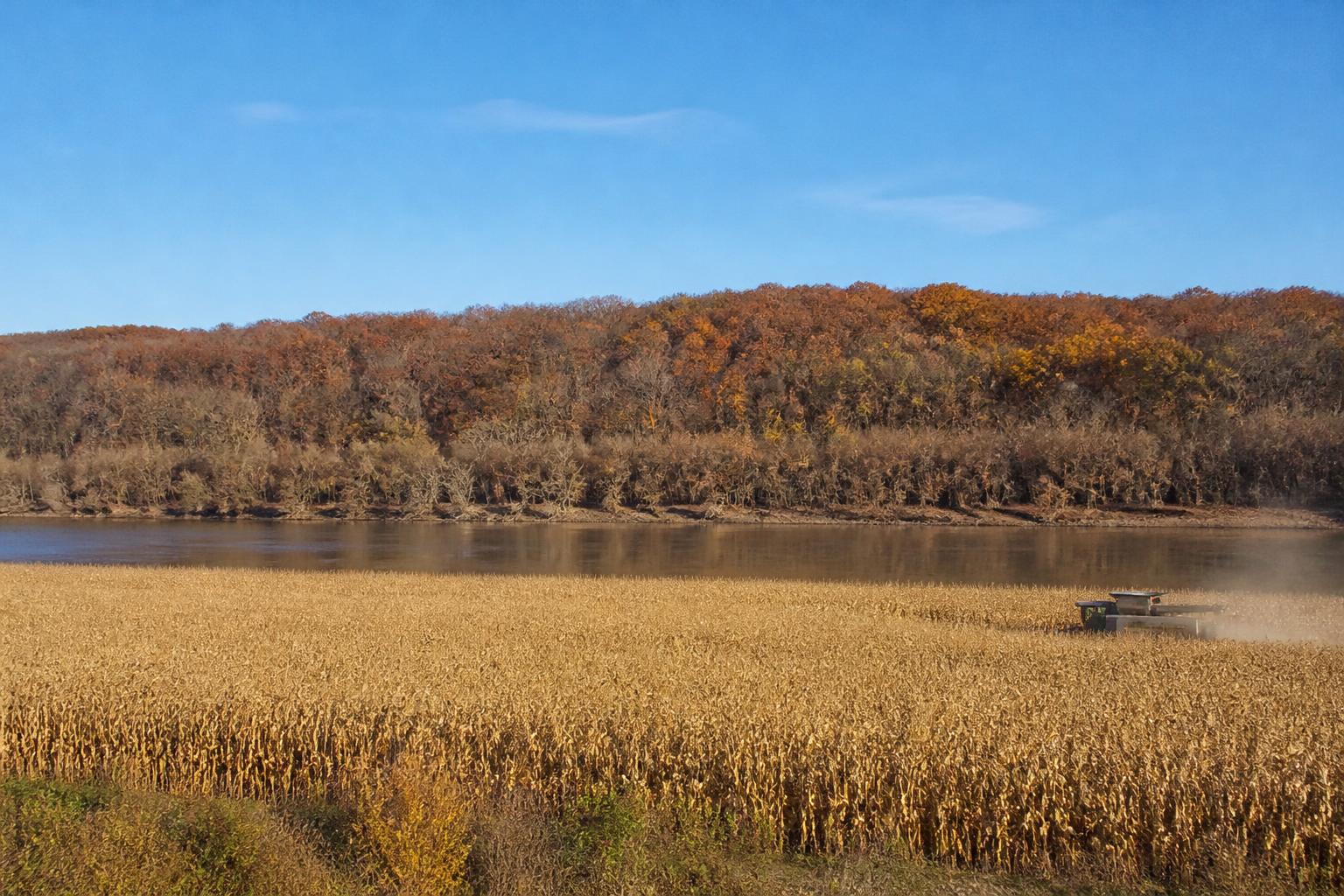
The Mississippi Delta is currently seeing an active harvest pace as producers capitalize on favorable field windows to bring in fall crops. While growers in other regions have dealt with persistent wet weather, Mississippi fields have remained largely accessible, allowing for steady progress across the state. However, the operational success of the season remains tethered to broader logistics networks, which continue to face structural hurdles.
For those moving grain to export terminals, river conditions remain a primary concern. The lower water levels that have persisted along the Mississippi River corridor continue to place significant pressure on barge rates and shipping capacity. These constraints complicate the standard flow of commodities toward Gulf ports, forcing producers and elevators to weigh the costs of extended storage against the volatility of current transport premiums. For a deeper look at these regional transport challenges, see our latest coverage on navigating river constraints and basis realities.
Managing Late-Season Pressures
Beyond the logistics of moving the crop, maintaining field integrity through the final weeks of harvest is critical. Researchers and field scouts in the region are increasingly focused on identifying and managing persistent pests, such as the rice stink bug, which can impact grain quality if left unchecked. Emerging research into innovative control methods—ranging from sound-based deterrents to advanced AI-driven detection—is providing new, potential tools for producers looking to secure yield quality. For more on optimizing late-season operations, review our insights on balancing field protection and logistics.
Planning for the Post-Harvest Shift
As equipment begins to move out of the field, the focus in Mississippi often shifts toward maintenance and next season's preparation. With soil conditions currently offering a brief window of stability, many producers are turning their attention to secondary field assessments and evaluating soil health. Those looking to get ahead of next year's inputs may also find it beneficial to monitor emerging trends in resource management and fertility, as discussed in our recent guide on fall fertilizer planning.
What it means for the market
The current harvest in Mississippi is moving at a productive clip, but the market is clearly stratified by logistics. While the dry weather is a win for field accessibility, the continued strain on the river system acts as a persistent headwind for basis levels. Growers who have secured local storage or alternative transport routes are better positioned to manage the current volatility until river levels and shipping capacity stabilize.
Comments
No comments yet - be the first to share your take.