
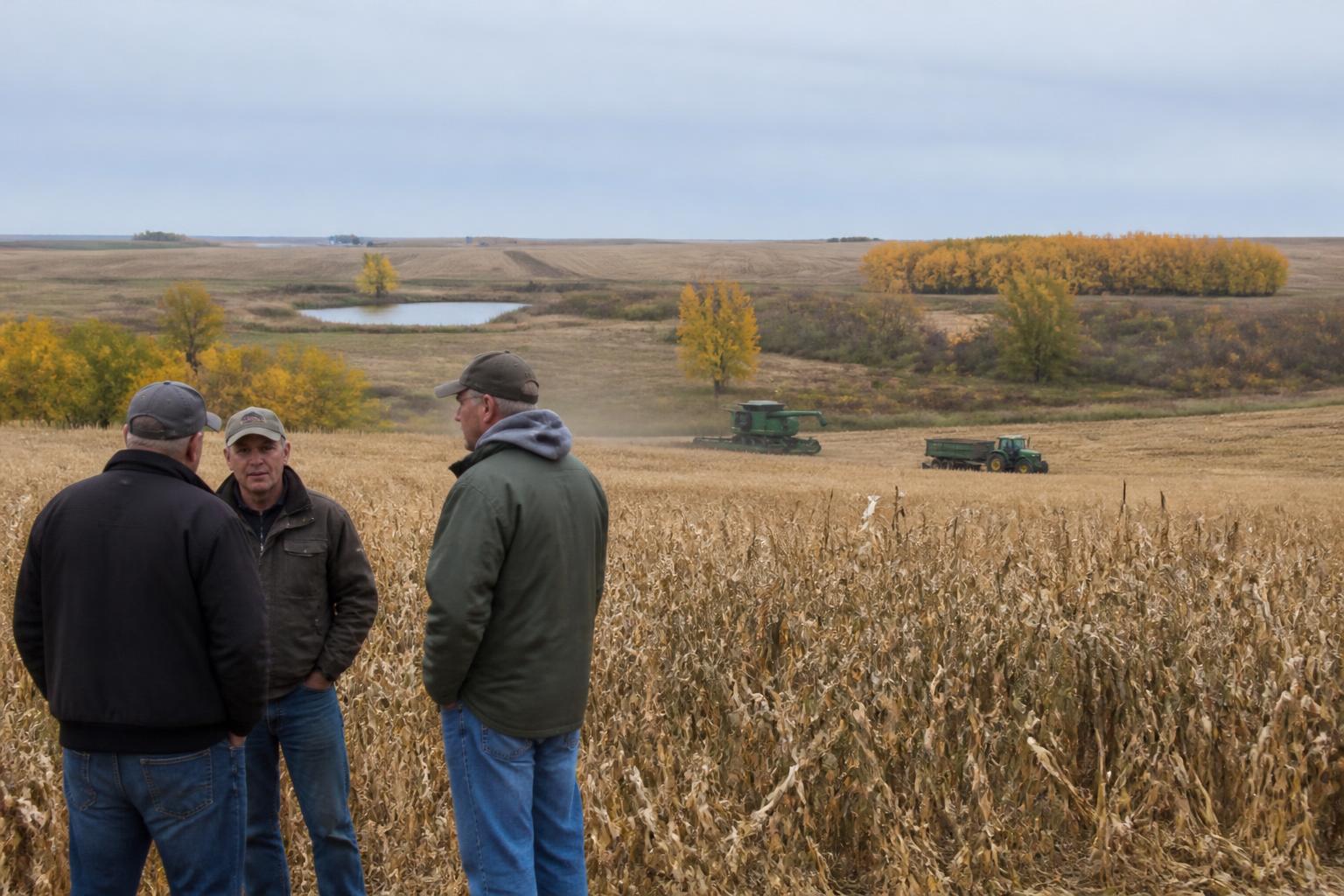
With the 2026 harvest wrapping up across North Dakota, agricultural producers are shifting their focus from field operations to strategic planning for the coming year. This transition period often brings a renewed emphasis on land productivity and the long-term financial health of the farm operation, especially as younger generations begin to take on greater decision-making responsibilities amidst current economic pressures.
Evaluating Marginal Acres and Conservation
For many producers, the post-harvest window is an ideal time to assess field performance data. There is increasing interest in state-level programs that incentivize the transition of less productive or chronically underperforming cropland into managed wildlife habitats. By identifying these marginal zones, farmers can potentially stabilize their return on investment while improving the overall ecological footprint of their acreage. This optimization of crop protection and input resources remains a vital strategy for maintaining margins when commodity price volatility persists.
Data Integrity and Financial Protection
As precision agriculture becomes standard, the granularity of data generated by modern combines and planters has become central to both production and financial oversight. While this data is essential for accurate record-keeping, it is also increasingly scrutinized. Ensuring the integrity of your precision ag data is no longer just about yield maps; it is a fundamental pillar of maintaining robust financial protection and compliance in an era of heightened regulatory and insurance oversight.
What it means for the market
The convergence of data-driven farming and intentional land management suggests a shift toward more conservative, high-efficiency operations in North Dakota. For grain handlers and input suppliers, this trend implies a demand for services that support precision-based decision-making. Producers who prioritize sound data management and strategic land allocation are better positioned to navigate the current economic cycle, turning the challenges of high-input costs into opportunities for more resilient, long-term farm sustainability.
Comments
No comments yet - be the first to share your take.