
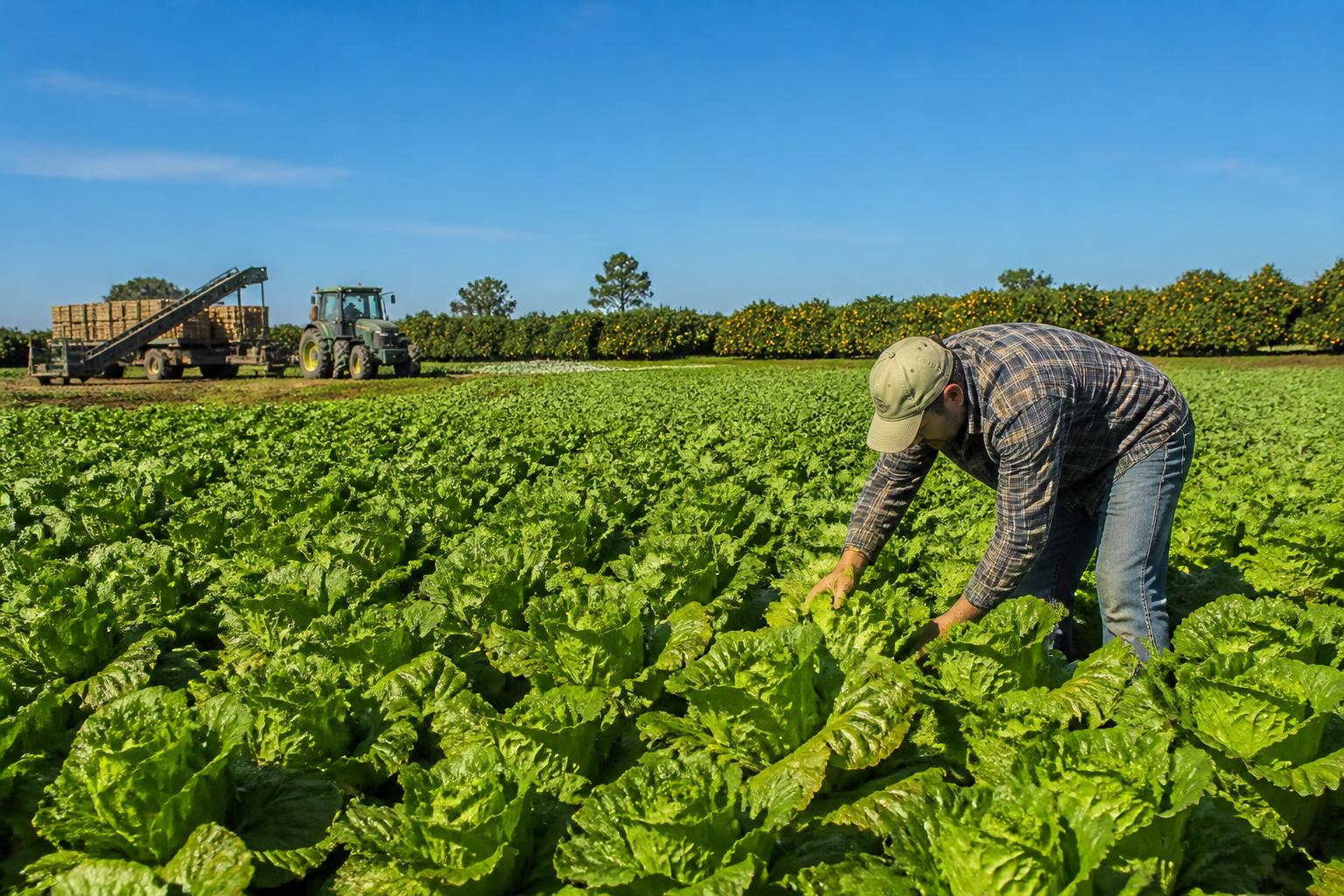
Florida's agricultural landscape is currently balancing seasonal production cycles with the evolving realities of input supply chains. For growers across the state, from the northern citrus groves to the intense vegetable operations in the southern reaches, maintaining effective crop protection programs remains a top priority during this period of transition.
As farmers assess their needs for the coming months, there is a clear emphasis on precision and efficiency. Whether managing high-value specialty crops or navigating the logistical complexities of balancing pest pressures and input volatility, the focus has shifted toward tools that offer reliable results under variable conditions. The industry is seeing a continued interest in specialized applications that can help mitigate risk, particularly as producers monitor regional weather patterns and soil moisture levels characteristic of a Florida fall.
Adapting to Supply Chain Variability
The stability of the agricultural input sector is frequently tested by global and regional supply fluctuations. Recent observations within the state underscore the necessity for proactive procurement and diversified supply strategies. When key components such as sulfur or specialty fertilizers face distribution challenges, downstream agribusinesses and growers must often adjust their operational timelines. This ripple effect demands that logistics managers remain highly vigilant regarding transit times and local inventory levels, particularly along major transit corridors where capacity can tighten seasonally.
Prioritizing Productivity and Safety
Beyond the logistics of product delivery, Florida producers are maintaining a strong commitment to rigorous safety standards. As specialized crop protection products continue to be introduced to the market, the integration of these materials requires precise handling to ensure both crop health and regulatory compliance. Effective site management, combined with strict adherence to updated agricultural frameworks, serves as a cornerstone for maintaining the state's reputation for high-quality produce. This is especially vital given the intense output potential of Florida's cultivated acreage, which demands a high degree of technical oversight.
What it means for the market
For Florida agribusinesses and growers, the current market climate suggests that resilience is best achieved through integrated planning. By prioritizing early engagement with suppliers and staying informed on regional logistics, producers can better manage the pressures of a fluctuating input market. Ultimately, the ability to pivot between traditional management practices and emerging, precision-focused technologies will define operational success as we look toward the next production cycle.
Comments
No comments yet - be the first to share your take.