
Supply Chain Disruptions and Input Availability
Florida agribusinesses are currently recalibrating their operational strategies as global market volatility impacts local input access. Recent reports indicate that the availability of critical materials, including sulfur, is being hindered by international geopolitical tensions. These disruptions can create ripple effects throughout the state, particularly for operations reliant on consistent supplies for soil fertility and crop health. For many producers, this uncertainty necessitates a proactive approach to procurement and long-term inventory management to mitigate the risk of sudden input supply chain delays.
Heightened Biosecurity and Port Logistics
The movement of agricultural goods through major state infrastructure, such as Port Manatee, remains under heightened scrutiny. Recent interceptions of unusual pests by agricultural specialists highlight the importance of rigorous biosecurity protocols. As harvest activity peaks during the fall, ensuring that logistics remain fluid while maintaining strict compliance is essential to preventing the spread of invasive species. These logistics updates are a reminder that the state's agricultural resilience depends on the vigilance of both carriers and handlers operating at critical transit hubs.
Protecting Long-Term Land Utility
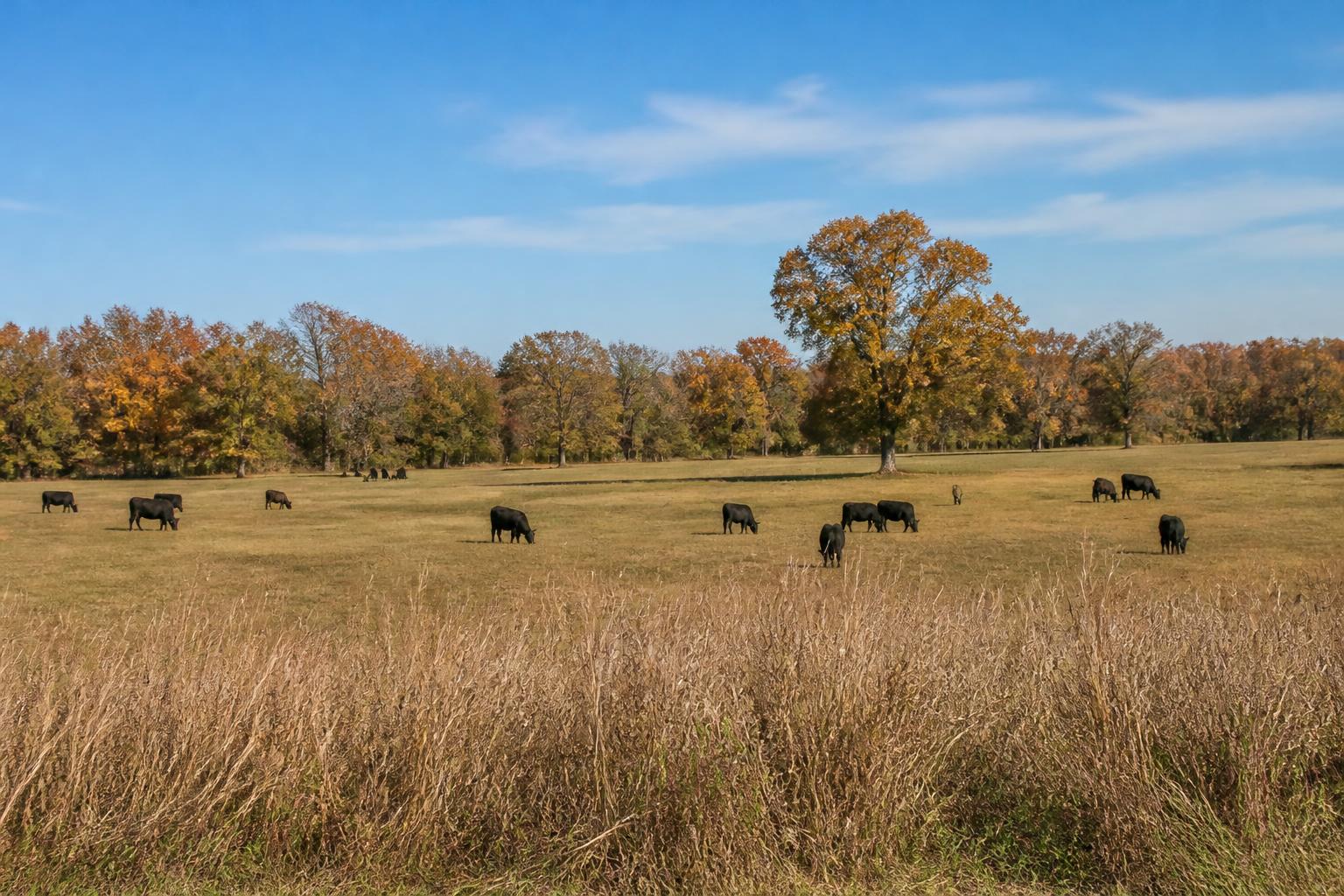
Beyond immediate logistical concerns, the conversation surrounding the long-term viability of Florida ranchlands remains a priority for the state's agricultural future. As development pressures persist, stakeholders are increasingly focused on conservation and efficient land management. Effective crop protection strategies that account for both emerging pest threats and efficient resource usage are vital for maintaining the economic productivity of these rural corridors throughout the coming season.
What it means for the market
For growers and agribusinesses, the current environment demands a focus on operational flexibility. By diversifying input sources and staying closely aligned with state-level biosecurity trends, producers can better position themselves to withstand both global market shifts and regional logistics hurdles as we move through the final quarter of the year.
Comments
No comments yet - be the first to share your take.