
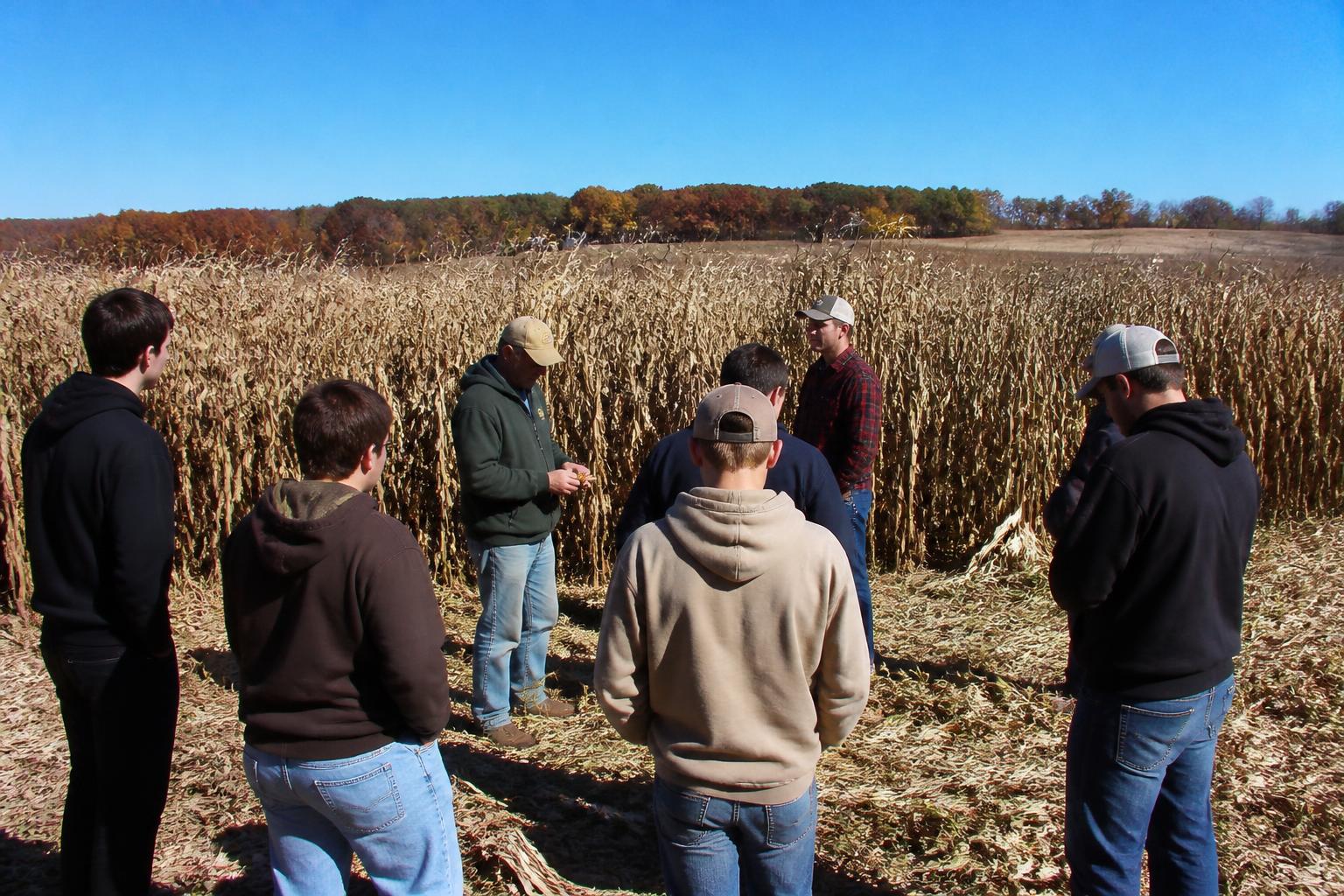
With the Missouri fall season now well underway, farmers are navigating a complex landscape of fluctuating field conditions. While many growers in the Bootheel and central corridors are pushing to wrap up harvest activities, recent reports indicate that environmental stressors continue to impact grain quality and storage considerations.
Managing Fungal Risks in Late-Harvest Fields
Producers are reporting instances of ergot in various parts of the state, serving as a reminder that moisture levels and temperature shifts can influence disease pressure even in the final weeks of the season. Scouting remains a practical step, as early identification of affected patches can help in segregating infected grain before it enters the bin system. Handling logistics now involves careful monitoring of moisture and potential contamination, ensuring that the hard work put into this season's crop is not compromised during the storage phase.
Logistics and Market Resilience
Beyond field-level risks, the broader market outlook remains a point of interest for Missouri agribusinesses. With recent discussions surrounding commodity price potential and input strategies, producers are balancing the immediate needs of the current harvest with long-term planning for next spring. Strengthening local infrastructure—from processing facilities to transit pathways—continues to be a key theme for regional stability as producers look to move grain efficiently.
What it means for the market
For the Missouri market, the current focus is on maintaining grain integrity and optimizing storage flow. As harvest concludes, the focus for grain handlers and farmers alike will likely shift toward mitigating quality degradation and preparing for a potentially competitive input-procurement cycle in the coming months.
Comments
No comments yet - be the first to share your take.