
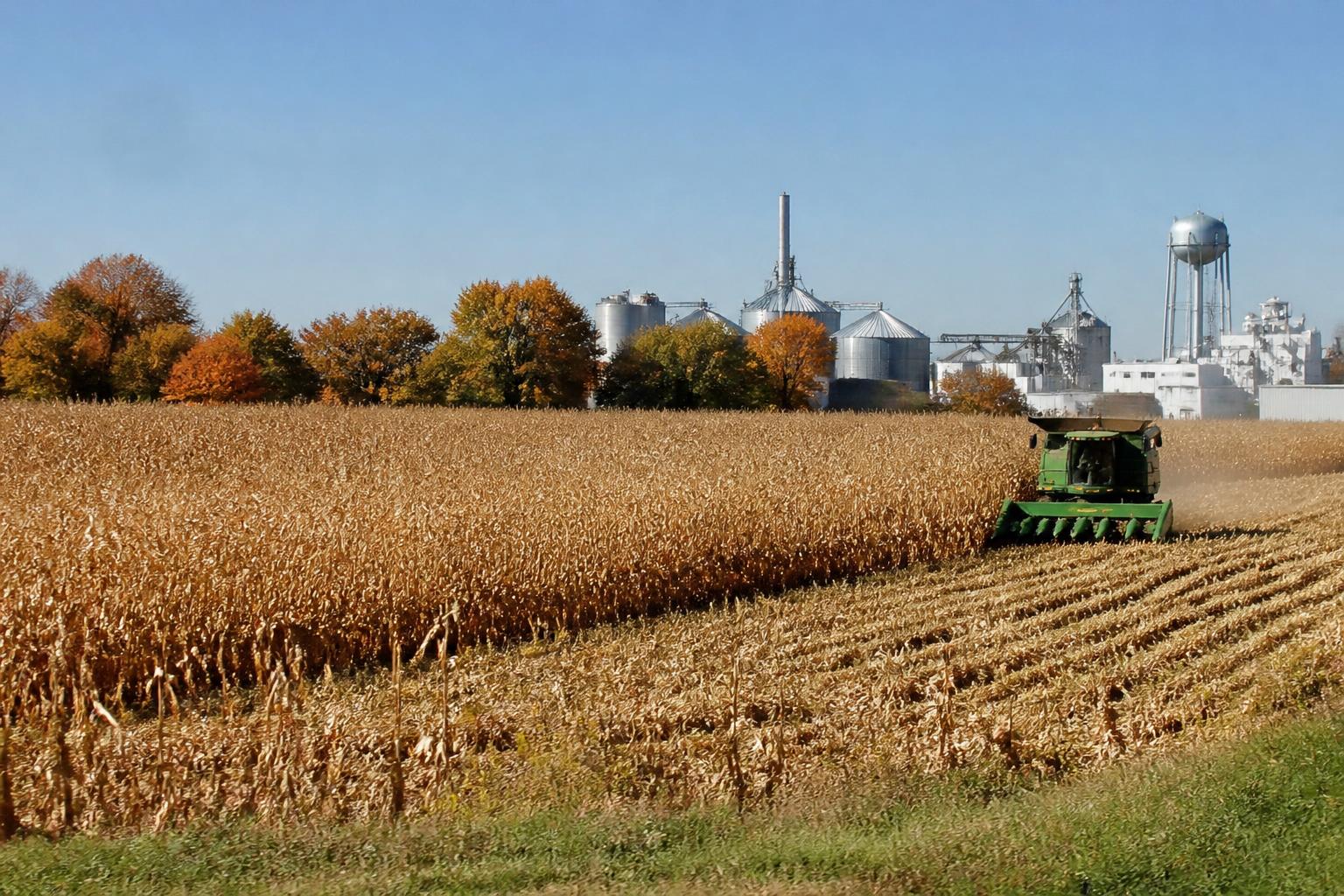
As the Missouri harvest advances through the peak of the fall season, producers across the state are navigating a complex landscape of field conditions. While many growers report decent yields in corn, the tail end of the season has brought distinct hurdles. Persistent moisture in some areas has created conditions favorable for stalk rot, necessitating careful field scouting and, in some cases, the prioritization of harvest schedules to mitigate lodging risks.
Alongside weather-related challenges, farmers are remaining vigilant against ongoing pest threats. The presence of stink bugs continues to require assessment in various regional pockets. For those planning post-harvest strategies, managing crop residue correctly is top of mind to avoid potential nitrogen loss and to prepare fields for the upcoming cycle. Staying proactive with field recovery and protection measures remains a central focus for producers looking to protect their bottom line during these final weeks of the harvest window.
Adapting to Evolving Field Pressures
The intersection of fluctuating weather patterns and lingering disease pressure, such as the concern surrounding Red Crown Rot, underscores the importance of informed decision-making. As producers continue to adjust to fall logistics and infrastructure demands, the ability to pivot between harvesting and field maintenance is critical. Input management strategies, including the evaluation of fertilizer efficiency, are also becoming increasingly vital as farmers account for costs that have, in some instances, outpaced recent price gains.
Key Takeaways for Producers
- Prioritize harvest blocks showing signs of stalk rot to minimize yield loss.
- Continue scouting for late-season insect activity, particularly in soybean fields.
- Evaluate residue management techniques to optimize soil health and nutrient retention for next season.
- Monitor local elevator capacity and transport windows to streamline the movement of grain during peak periods.
What it means for the market
For agribusinesses and grain handlers, the current environment points to a period of heightened sensitivity. While yields appear resilient in many parts of Missouri, the combination of logistical pressure and the need for ongoing field protection means that demand for storage capacity and timely input services will remain high. Producers who successfully navigate these late-season bottlenecks are better positioned to manage their financial outlook, especially as they begin to utilize new tools for comparing future farm payment projections.
Comments
No comments yet - be the first to share your take.