
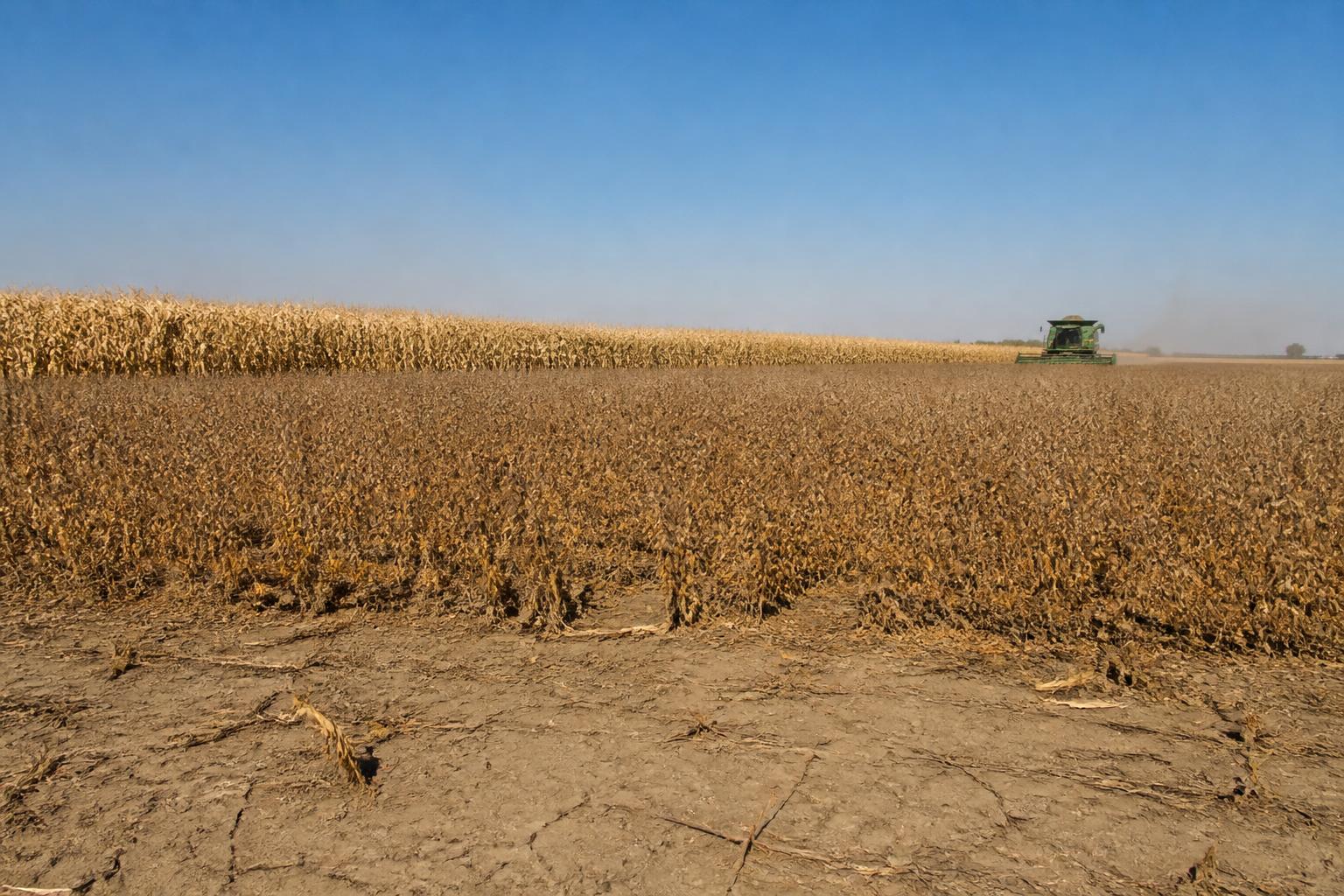
As harvest activity continues across the state, Kansas grain producers and elevator operators are navigating a complex landscape defined by localized moisture variability and broader macroeconomic pressures. While many operations have made steady progress in the fields, moisture deficits in certain western regions continue to contrast with more favorable outcomes in other parts of the state. These conditions directly influence the volume of grain moving through the state's logistical arteries, including key highway corridors and rail networks.
For those moving product to storage or processing facilities, the stability of the supply chain remains a critical focus. Strategic logistical planning during the mid-season is often necessary to mitigate potential delays, particularly when faced with shifting demand and regional infrastructure constraints. Market participants are increasingly mindful of how historical and ongoing changes to rail networks may impact the speed and cost of moving Kansas grain to domestic and export markets.
Managing Input and Operational Costs
The financial pressure on agriculture producers remains front-of-mind as farmers plan for upcoming seasons. Rising costs related to fuel and essential inputs like fertilizer have prompted closer scrutiny of operational budgets. With ongoing discussions regarding fuel costs and infrastructure challenges, many businesses are evaluating their reliance on traditional logistics and procurement methods to preserve margins.
Producers are also closely monitoring broader agricultural policies that may provide temporary relief for high input expenses. As the industry looks ahead, the intersection of credit availability and input pricing will likely continue to dictate the pace of investment for many Kansas operations.
What it means for the market
For the Kansas agribusiness community, the current environment necessitates a proactive approach to grain marketing and logistics. With regional moisture challenges affecting localized yields and uncertainty surrounding input affordability, maintaining operational flexibility is essential. Market participants should prioritize transparent communication with their transport providers and suppliers to navigate potential bottlenecks and ensure that grain continues to flow efficiently through the remainder of the harvest season.
Comments
No comments yet - be the first to share your take.