
Oklahoma producers are entering the final stages of the fall season, balancing the immediate demands of field management with the persistent pressure of rising input costs and fluctuating commodity prices. As farmers evaluate their next steps for upcoming planting cycles, the agricultural sector in the state is seeing both structural changes in supply chains and significant regional environmental challenges that test the resilience of local operations.
Strengthening the stability of the supply chain, recent developments in fertilizer partnerships between major cooperatives and global producers aim to enhance the availability of essential inputs for U.S. growers. For those looking at how input management ties into broader seasonal planning, staying informed on navigating input costs amid late-season volatility remains a top priority. Securing these supplies ahead of demand peaks can often mitigate some of the price exposure seen in more uncertain market conditions.
Managing Operational Risks and Logistics
Beyond inputs, Oklahoma agriculture continues to face a complex web of legal and environmental pressures. Recent court decisions affecting regional poultry industries have underscored how external regulatory factors can reverberate through local farming communities. Simultaneously, producers in the Southern Plains remain highly vigilant, particularly as recent wildfire events have required coordinated efforts among ranchers to protect livestock and support affected neighbors. These events serve as a sobering reminder of the importance of maintaining robust safety nets and strategic risk management in an unpredictable environment.
Technological Adoption in the Field
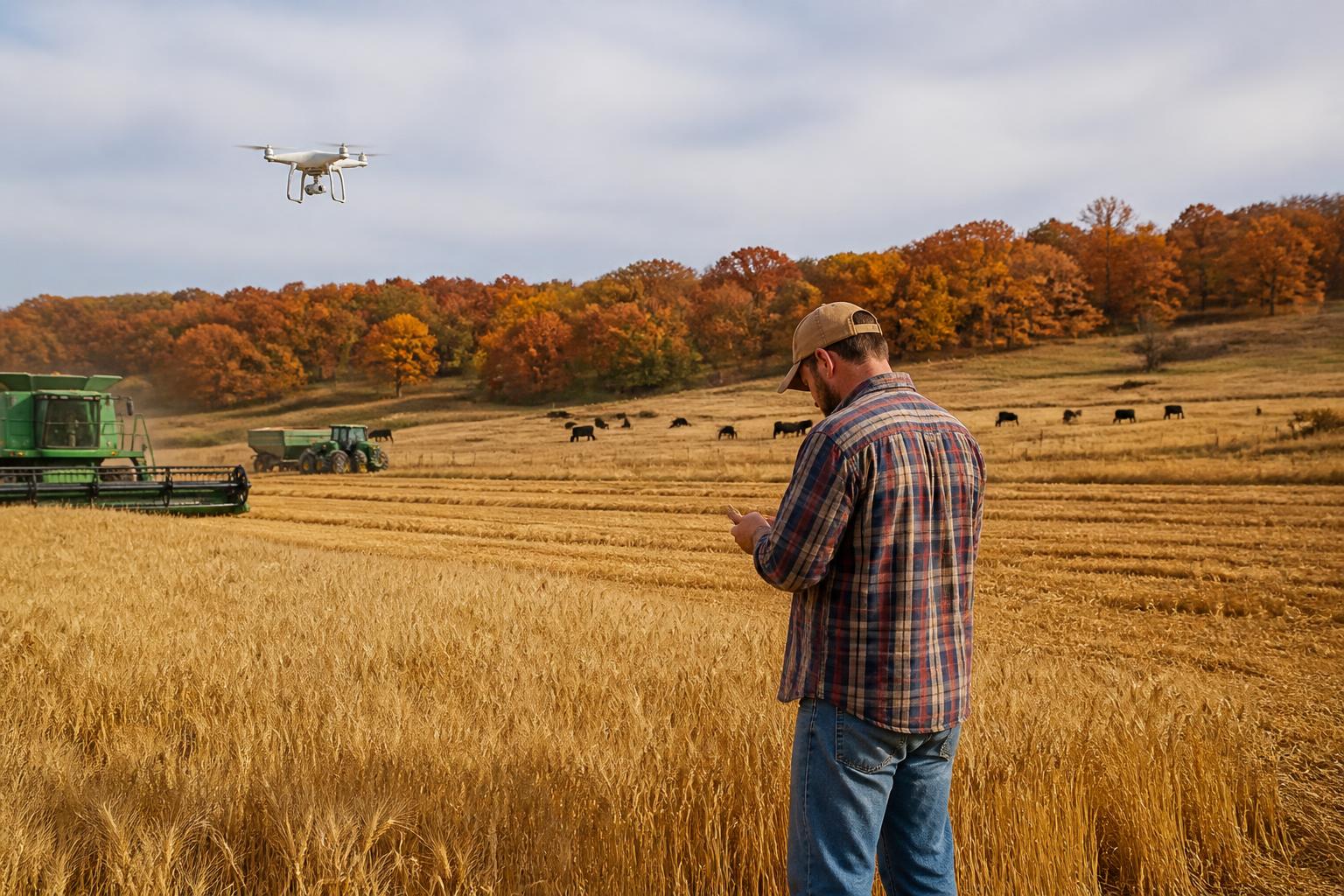
Despite the challenges, the integration of new technology is providing a layer of operational efficiency for many Oklahoma operations. Drones, for instance, are increasingly becoming a standard tool for field monitoring, allowing farmers to gather data on crop health and soil conditions with unprecedented speed. This focus on precision is crucial as growers look toward the next season, ensuring that every acre is managed with the best available data. For those planning ahead, early-stage preparations are already underway, including strategic planning for 2027 inputs to avoid late-season scrambles.
What it means for the market
The convergence of tightened supply chain logistics for critical inputs and the need for adaptive risk management strategies highlights a transition period for Oklahoma agriculture. As commodity prices remain volatile, producers who prioritize early input procurement and leverage precision technology for field oversight may be better positioned to weather the current economic climate. The ability to pivot quickly, whether in response to local weather events or shifting market stocks, will remain the primary driver of profitability as we move into the final months of the year.
Comments
No comments yet - be the first to share your take.