
Seasonal Logistics in the Bay State
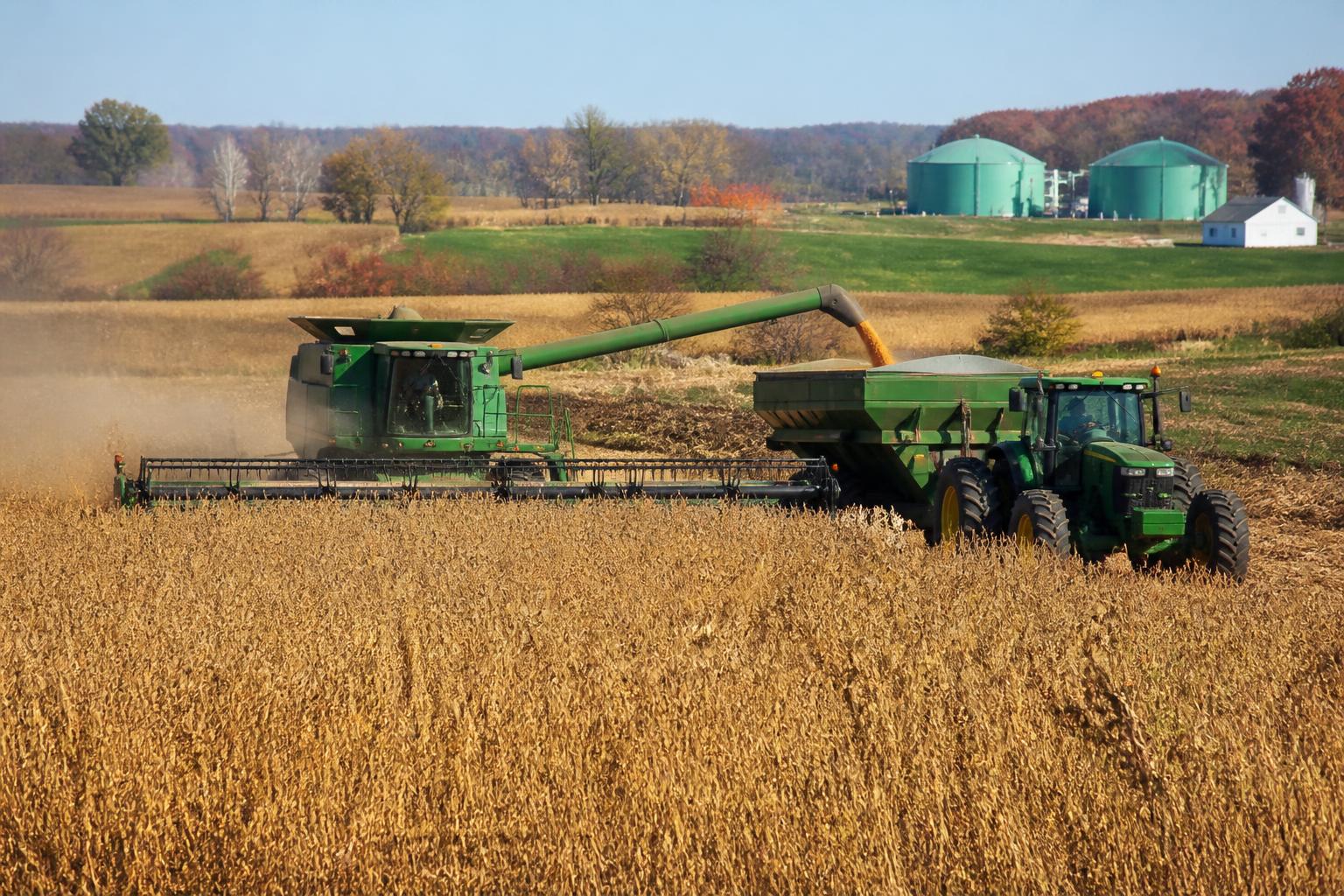
As the autumn season matures across Massachusetts, local agricultural logistics are entering a critical phase. For producers and distributors, this period is often marked by the complex management of harvest-related traffic and the movement of goods toward storage facilities. Operators in regional hubs continue to prioritize efficient routing to mitigate the challenges of late-season transport. Maintaining consistent logistics flow remains a top priority as seasonal demands shift in preparation for the winter months.
Adapting to Supply Chain Shifts
The broader agricultural market is currently navigating significant shifts in production outputs, which directly influences regional supply chains. Recent national trends showing lower-than-anticipated production in key grain sectors may necessitate closer inventory management for local elevators and processors. In Massachusetts, where operational costs and input accessibility are frequently at the forefront of business planning, these national market conditions underscore the importance of leveraging local supply networks to maintain stability.
Efficiency and Infrastructure
Effective resource management is essential as the year draws to a close. For many agribusinesses in the state, the focus is turning toward optimizing storage capabilities and streamlining the last legs of seasonal deliveries. By focusing on data-driven approaches to logistics and inventory, operations can often insulate themselves against potential bottlenecks that typically emerge when demand volatility meets limited transport capacity. Strengthening these internal links is vital for ensuring that locally produced products reach their intended market channels without unnecessary delays.
What it means for the market
For Massachusetts producers and carriers, the remainder of the fall season calls for a disciplined approach to inventory and logistics. With national indicators pointing toward constrained production levels, those who prioritize logistical efficiency and maintain flexible delivery schedules will likely be better positioned to navigate the final quarter of the year. Careful monitoring of regional traffic patterns and storage utilization will remain key to successful operations throughout November.
Comments
No comments yet - be the first to share your take.