
Optimizing Harvest Transport in North Carolina
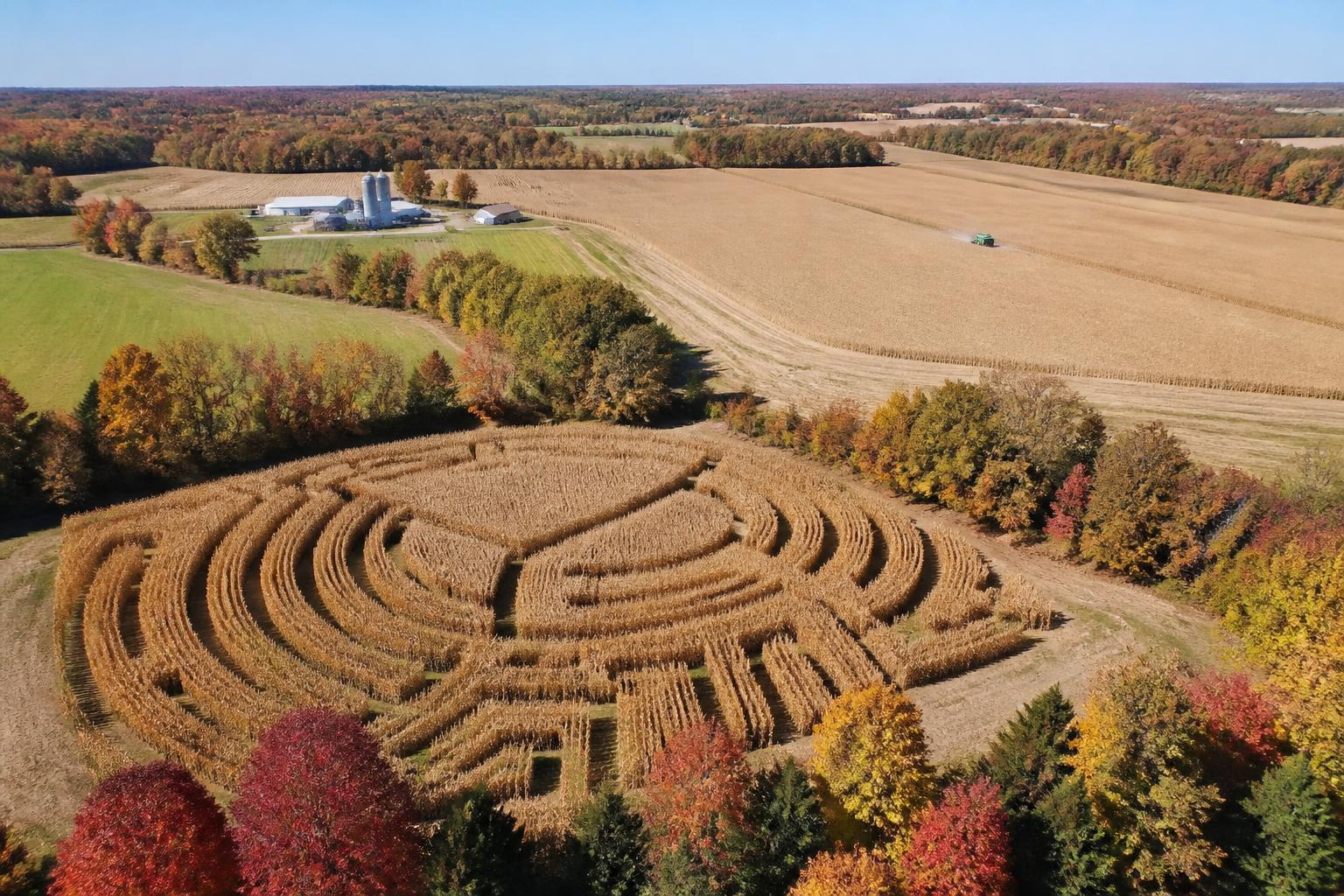
As the fall harvest progresses across North Carolina, logistical efficiency at the farm gate is often a defining factor in annual profitability. With fields busy and grain moving to storage, farmers in regions from the coastal plains to the Piedmont are balancing the immediate demands of the season with long-term storage strategy. Ensuring that loading sites and transport routes are optimized can help reduce downtime during these peak windows of activity.
Effective logistics for grain movement requires not only coordination with regional elevators but also a reliable supply of packaging and bulk storage materials. Market trends suggest that steady demand for agricultural materials will likely persist through the next decade, making it essential for producers to secure necessary handling resources ahead of anticipated bottlenecks.
The Balance of Land and Logistics
In many parts of North Carolina, the pressure on agricultural land from competing development interests continues to be a central theme for farm families. Maintaining the viability of these operations depends on more than just yield; it requires the ability to navigate local infrastructure challenges. Whether moving grain through narrow rural corridors or staging for larger regional distribution, planning for transit can prevent costly delays.
As you move through the final stages of the season, consider the following:
- Evaluate current storage capacity to determine if on-farm buffering is needed to avoid elevator congestion.
- Check the integrity of bulk bags and handling equipment to prevent loss during peak throughput.
- Assess local road conditions, particularly in high-traffic harvest areas where heavy equipment may be interacting with daily logistics traffic.
What it means for the market
The convergence of a busy fall season and broader supply chain pressures underscores the importance of proactive planning for North Carolina agribusinesses. By streamlining transport logistics and ensuring sufficient bulk storage readiness, producers can better insulate their operations from mid-harvest disruptions. As land use remains a long-term variable for the state, maximizing the efficiency of every acre currently under production will continue to be a top priority for growers looking to maintain sustainable, long-term operations.
Comments
No comments yet - be the first to share your take.