
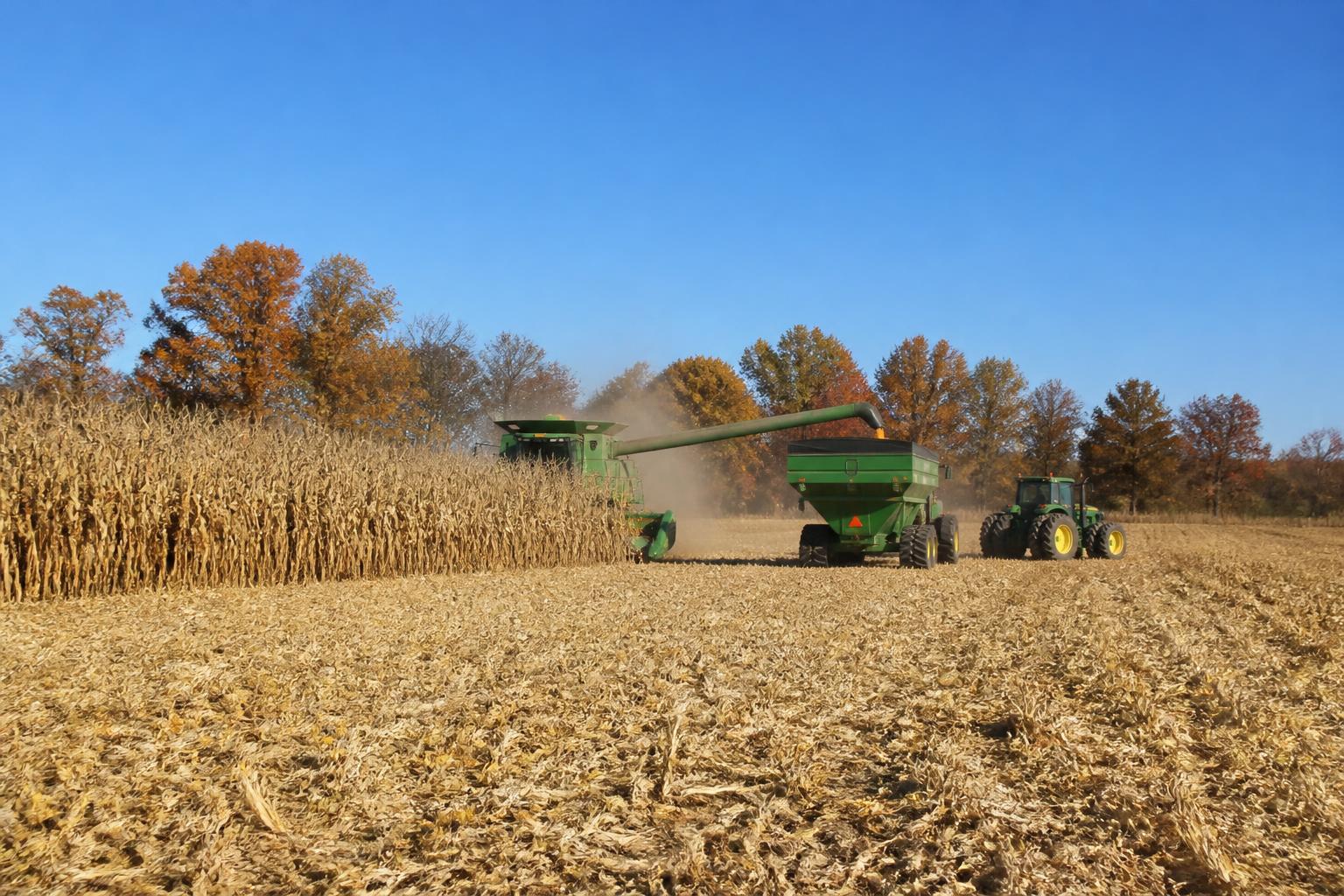
The late-season window across Kansas has brought a mix of operational challenges and persistent environmental pressures. While some regions are wrapping up field work, the broader picture for state agriculture remains one of high variability. Growers in various counties have noted significant differences in performance for corn and soybeans, a trend that underscores the importance of ongoing field management and precise resource allocation as the season concludes.
Managing Resource and Yield Variability
Recent reports indicate that inconsistent weather patterns have played a major role in shaping this year's outcomes. In northern Kansas, wheat yields have been observed to track below historical averages, reflecting the difficulty of maintaining consistent performance in the face of fluctuating moisture and temperature. This variability makes managing crop protection and yield targets a top priority for producers looking to secure their bottom line despite the challenging conditions.
Input Costs and Water Security
Beyond the field, economic pressures remain a central topic of discussion. Water security has become a focal point for the agricultural community, with legal and policy conversations surrounding irrigation rights in areas like Hays and Russell drawing significant attention. These developments are occurring alongside broader efforts to address operational expenses, including potential federal support aimed at offsetting diesel fuel costs for the agricultural sector.
What it means for the market
For grain handlers and agribusinesses, the current state of the Kansas market suggests a cautious outlook. The combination of variable yields and ongoing legal disputes over water rights may influence local supply chain dynamics in the coming months. Producers should prepare for continued volatility in input costs and remain engaged with local extension resources to navigate the intersection of regulatory changes and seasonal logistical pressures.
Comments
No comments yet - be the first to share your take.